Seismic Wave Velocity Transitions Field Evidence Published | Quick Digest
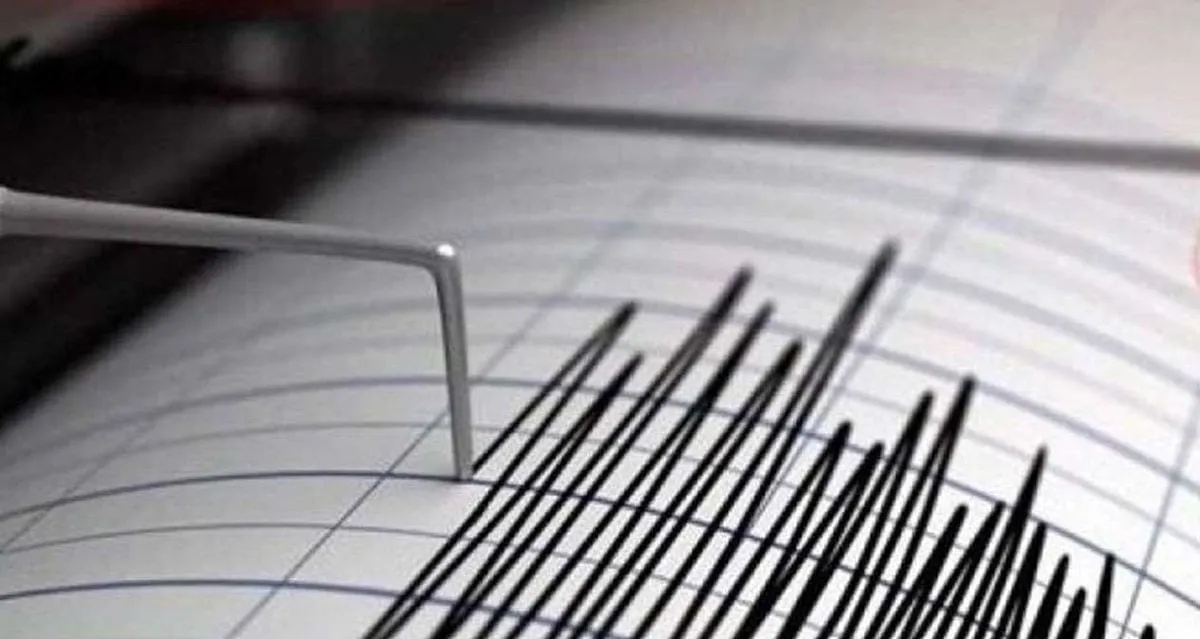
A new study published on the ESS Open Archive presents field evidence of frequency-dependent apparent body-wave velocity transitions. This research contributes to understanding seismic wave behavior in the Earth's crust. The findings are relevant to seismology and earthquake research.
Field evidence for seismic wave velocity changes presented.
Research focuses on frequency-dependent body-wave velocity.
Findings published on ESS Open Archive platform.
Study contributes to seismic wave propagation understanding.
The ESS Open Archive has published a study detailing "Field Evidence of Frequency-dependent Apparent Body-wave Velocity Transition." This research presents empirical data on how the speed of seismic body waves (P-waves and S-waves) changes depending on their frequency. Body waves travel through the Earth's interior, and understanding their velocity is crucial for seismic imaging, understanding Earth's structure, and interpreting earthquake data. The study's focus on frequency-dependent velocity suggests that the Earth's crust and upper mantle exhibit complex properties where wave speed is not constant but varies with the frequency of the wave. This phenomenon is significant because different frequencies of seismic waves can provide different information about the subsurface. For instance, higher frequencies might resolve finer details, while lower frequencies can penetrate deeper. The ESS Open Archive serves as a platform for the rapid dissemination of research outputs, including preprints, allowing scientists to share their findings early in the research process. While the archive does not conduct peer review, it provides a citable record of research. Previous studies have explored frequency-dependent attenuation and velocity variations in seismic waves in regions like Northeast India and the Kumaun Himalaya, indicating that such phenomena are observed in seismically active areas. This new publication adds to the growing body of evidence in seismology regarding the intricate behavior of seismic waves within the Earth. The findings are relevant to global seismological research and contribute to a better understanding of subsurface structures and earthquake processes. The research category is Earth Science/Geophysics, and it has global relevance. The publication date is not explicitly available from the provided snippets, but research in this area is ongoing and often published as preprints, which are then refined for journal publication. This type of research is foundational for earthquake hazard assessment and understanding planetary dynamics.
Read the full story on Quick Digest