Awami League's Ramesh Sen Dies in Custody, Sparks Bangladesh Human Rights Concerns
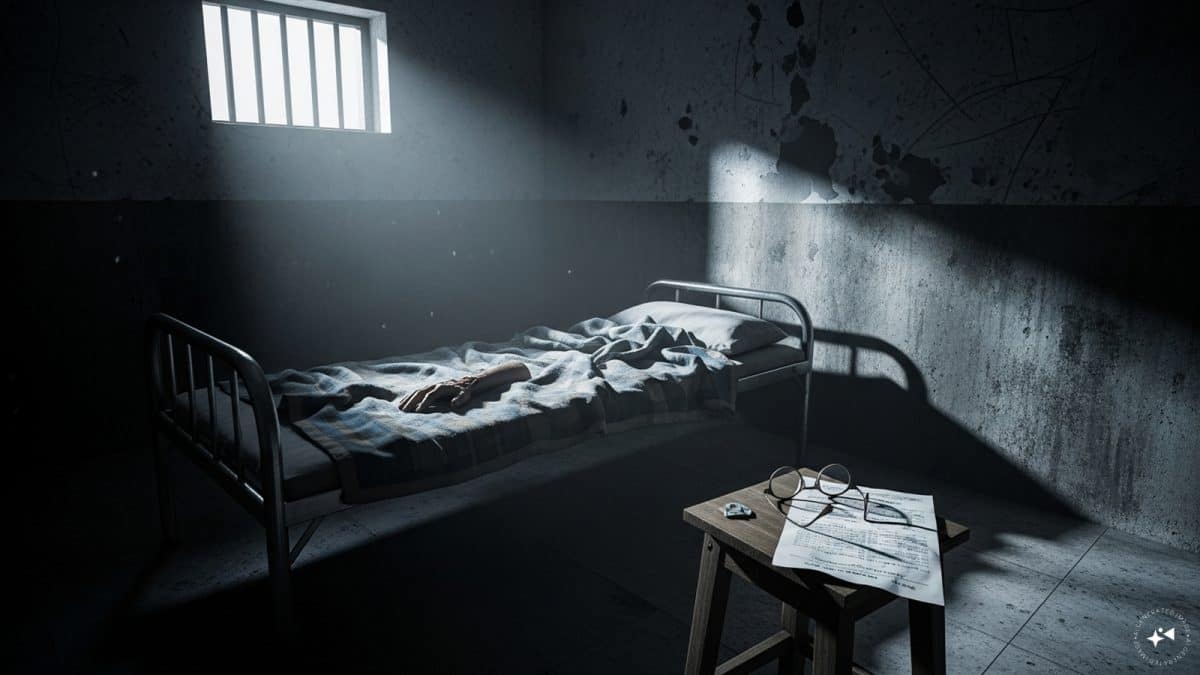
Ramesh Chandra Sen, a senior Hindu leader of Bangladesh's Awami League and former minister, died in Dinajpur jail on February 7, 2026, at age 83/85. His death, just before the upcoming general elections, has ignited widespread concerns over custodial treatment and alleged medical negligence in Bangladesh's political detentions. Indian organizations like VHP have also raised alarm.
Key Highlights
- Ramesh Chandra Sen, 83/85, died in Dinajpur District Jail on February 7, 2026.
- He was a veteran Awami League leader, five-time MP, and former Water Resources Minister.
- Sen was arrested on August 16, 2024, facing multiple charges, including murder.
- His death ignited concerns over custodial care and political targeting in Bangladesh.
- The incident occurred days before Bangladesh's February 12, 2026, general elections.
- Indian organizations like VHP have expressed strong concerns over his death.
Ramesh Chandra Sen, a prominent Hindu leader and veteran politician of Bangladesh's Awami League, passed away on Saturday, February 7, 2026, while in custody at Dinajpur District Jail. Sen, aged either 83 or 85 according to various reports, had reportedly fallen ill inside the jail early Saturday morning and was subsequently transported to Dinajpur Medical College Hospital, where doctors pronounced him dead around 9:29 am local time. This tragic event has sent ripples through Bangladesh's political landscape and beyond, intensifying concerns over the treatment of political detainees, particularly elderly and ailing ones, and raising serious questions about custodial medical care.
Sen's demise comes at a highly sensitive political juncture for Bangladesh, occurring merely days before the country's general election, slated for February 12, 2026. The upcoming elections are already fraught with tension, especially since the Awami League, the party Sen belonged to, has been barred from participating under the current interim administration led by Nobel laureate Muhammad Yunus. This backdrop amplifies the scrutiny surrounding Sen's death, with critics and human rights organizations alleging that his passing is indicative of systemic issues within the country's penal system and a broader pattern of political targeting.
Ramesh Chandra Sen was a significant figure in Bangladeshi politics, having served as a five-time Member of Parliament (MP) from the Thakurgaon-1 constituency and previously as the Water Resources Minister between 2009 and 2014. He was also a presidium member of the Awami League, highlighting his senior standing within the party. His arrest on August 16, 2024, followed the significant political upheaval of August 5, 2024, which led to the fall of the Sheikh Hasina government. He was initially detained at Thakurgaon District Jail before being transferred to Dinajpur. At the time of his death, Sen was facing at least three criminal cases, including a murder charge linked to political unrest, which his party and supporters vehemently maintain were politically motivated and fabricated to justify his prolonged detention.
Allegations of negligence in his care have rapidly emerged from various quarters. Awami League leaders, including Organising Secretary Shafiul Alam Chowdhury Nadel and Bangladesh Students' League President Saddam Hussein, have publicly accused the authorities of deliberately denying Sen adequate medical treatment and bail despite his deteriorating health. They emphasize his advanced age and pre-existing health conditions at the time of his arrest, arguing that keeping an ailing octogenarian in jail without proper medical supervision amounted to severe negligence. Some have even gone so far as to describe his death as a 'custodial killing,' demanding an independent inquiry into the circumstances.
Prison officials, including Dinajpur Jail Superintendent Farhad Sarkar, confirmed his death and stated that his body would be handed over to his family after all legal formalities were completed. However, authorities have not yet provided a detailed medical bulletin or clarified the specifics of the medical care Sen received while incarcerated, further fueling public suspicion and calls for transparency.
The incident has also garnered significant attention in India, given Sen's identity as a prominent Hindu leader. The Vishwa Hindu Parishad (VHP) in India has strongly condemned his death, with spokesperson Vinod Bansal expressing profound concern for the safety and well-being of the Hindu minority in Bangladesh. Bansal critically remarked on the alleged 'illegal, murderous-fascist Yunus regime,' accusing Bangladesh of being an 'ISI puppet' and 'appeasing jihadists,' while highlighting a perceived rise in violence and targeting against the Hindu community in the country. This Indian reaction underscores the cross-border implications of human rights and political developments in Bangladesh, especially concerning its minority populations, which are closely watched in India.
The broader context of custodial deaths in Bangladesh adds another layer of concern. Reports from human rights organizations, such as Ain o Salish Kendra (ASK), indicate a troubling pattern, with at least 107 prisoners reportedly dying in custody in 2025 alone, many of whom were leaders and activists of the Awami League. This statistic provides a grim backdrop to Sen's death, reinforcing the calls for comprehensive reforms in prison conditions and prisoner healthcare.
In summary, the death of Ramesh Chandra Sen represents more than just the passing of an individual politician. It has become a symbol of broader anxieties about democratic health, human rights, and the rule of law in Bangladesh, particularly as the nation heads into a pivotal election. The international community, and especially neighboring India, continues to monitor these developments closely, urging for accountability, transparency, and the protection of fundamental rights for all citizens, irrespective of their political affiliation or religious identity.
Frequently Asked Questions
Who was Ramesh Chandra Sen?
Ramesh Chandra Sen was a prominent Hindu leader and veteran politician of the Bangladesh Awami League. He served as a five-time Member of Parliament for the Thakurgaon-1 constituency and was a former Water Resources Minister.
When and where did Ramesh Chandra Sen die?
Ramesh Chandra Sen died on Saturday, February 7, 2026, in Dinajpur District Jail, Bangladesh, after falling ill. He was pronounced dead at Dinajpur Medical College Hospital around 9:29 am local time.
What are the concerns surrounding his death?
His death has raised serious concerns about custodial treatment, alleged medical negligence, and political targeting of detainees in Bangladesh, especially given his advanced age and pre-existing health conditions. Opposition parties and human rights organizations are demanding an inquiry.
What is the broader political context of his death?
Ramesh Chandra Sen's death occurred just days before Bangladesh's general election on February 12, 2026. He was arrested following the August 2024 political upheaval that led to the fall of the Sheikh Hasina government, and his party, the Awami League, is barred from the upcoming elections.
How has India reacted to this news?
Indian organizations like the Vishwa Hindu Parishad (VHP) have expressed strong concern over Sen's death, highlighting worries about the safety of the Hindu minority in Bangladesh and criticizing the interim government.