US, Israel Intensify Iran Oil Pressure Amid China Exports
Reports indicate that former US President Donald Trump and Israeli Prime Minister Benjamin Netanyahu agreed to escalate economic pressure on Iran, specifically targeting its substantial oil exports to China. This strategy, part of a 'maximum pressure' campaign, aimed to compel Iran to make concessions on its nuclear program, alongside ongoing diplomatic and military considerations.
Key Highlights
- Trump, Netanyahu agreed to intensify economic pressure on Iran.
- Focus was on cutting Iran's oil exports to China.
- Agreement was part of US 'maximum pressure' campaign.
- China buys over 80% of Iran's seaborne oil exports.
- US considered tariffs up to 25% on countries trading with Iran.
- Strategy aimed to influence Iran's nuclear program and negotiations.
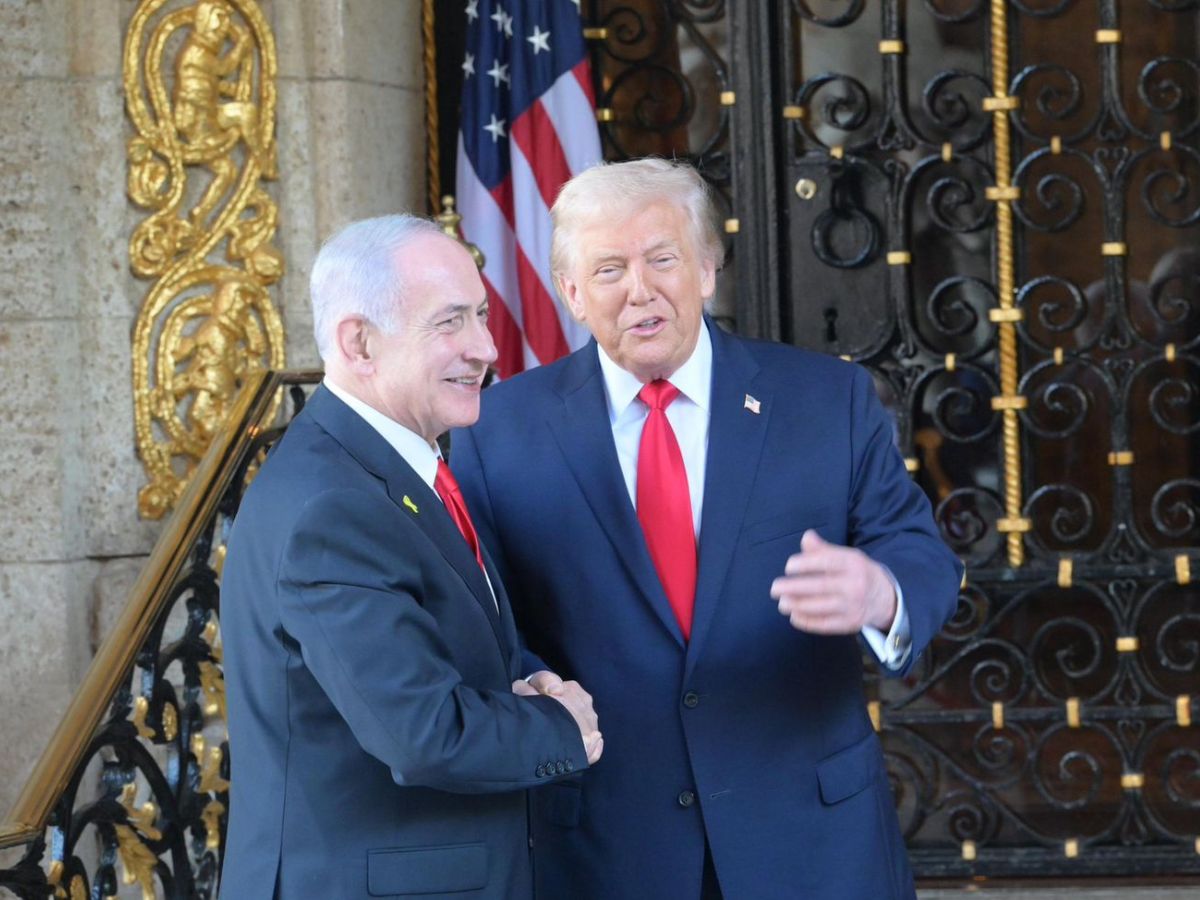
A significant report from Axios, widely corroborated by numerous international news outlets, reveals that during a White House meeting, then-US President Donald Trump and Israeli Prime Minister Benjamin Netanyahu reached an agreement to intensify economic pressure on Iran. The primary target of this intensified campaign was Iran's oil exports to China, a crucial source of revenue for Tehran.
According to US officials familiar with the discussions, as cited by Axios, the two leaders concurred that the US should "go full force" with its "maximum pressure" strategy against Iran, specifically concerning its oil sales to China. This move was strategically important because China accounts for more than 80% of Iran's seaborne oil exports, making any reduction in these purchases a potent tool for significantly increasing economic pressure on the Islamic Republic.
The broader objective of this coordinated economic offensive was to pressure Iran into offering more concessions regarding its nuclear program. US officials indicated that this maximum pressure drive would proceed concurrently with ongoing nuclear negotiations with Iran, while also maintaining a robust military presence and build-up in the Middle East as a contingency should diplomatic efforts falter. This dual-track approach underscored a complex strategy involving both coercive diplomacy and the explicit threat of military action.
Further reinforcing the economic leverage, an executive order reportedly signed by President Trump ten days prior to the meeting authorized Washington to escalate economic action against Iran. This order included provisions that would allow the Secretary of State and the Secretary of Commerce to recommend imposing tariffs of as much as 25% on any country that continued to trade with Iran. This measure was clearly aimed at discouraging China, Iran's largest oil purchaser, from continuing its trade, thereby tightening the financial noose around Tehran.
Despite the US and Israeli efforts, China maintained its stance, asserting that its trade dealings with Iran were lawful and that Beijing opposes unilateral sanctions. At the time of the initial reports, China's foreign ministry had not immediately responded to requests for comment, largely due to a national holiday for the Lunar New Year. Official Chinese customs figures had shown no Iranian oil imports since July 2022, a potential indication of attempts to obscure the origin of oil or a direct impact of previous sanctions, with traders often describing Iranian oil shipped to China as originating from other nations like Malaysia or Indonesia.
The discussions between Trump and Netanyahu also highlighted a divergence in opinion on the ultimate feasibility of a reliable agreement with Iran. Netanyahu reportedly conveyed his belief that a deal with Iran was unattainable and likely to be violated, while Trump expressed cautious optimism that a deal might still be possible, encouraging advisors to "give it a shot." This nuanced difference in diplomatic outlook occurred as US and Iranian diplomats were engaged in a second round of nuclear talks through Omani mediators, signaling a complex interplay of pressure and negotiation.
The implications of such a strategy extend globally, affecting international oil markets, the dynamics of US-China relations, and the delicate geopolitical balance in the Middle East. For an audience in India, these developments are particularly relevant due to India's significant reliance on oil imports and its strategic interests in regional stability and global trade routes. The pressure on Iran's oil exports directly impacts global supply and pricing, which has a ripple effect on India's economy and energy security. The broader implications for the Iran nuclear deal and regional security also bear importance for India's foreign policy considerations. This news, originally reported during Trump's presidency, has been re-indexed or referenced in current real-time searches, suggesting ongoing relevance to contemporary discussions on international relations and energy policies.
Frequently Asked Questions
What was the main agreement between Trump and Netanyahu regarding Iran?
The main agreement between former US President Donald Trump and Israeli Prime Minister Benjamin Netanyahu was to intensify economic pressure on Iran, particularly by targeting its oil exports to China.
Why did the US and Israel focus on Iran's oil exports to China?
They focused on Iran's oil exports to China because China is the primary buyer, accounting for over 80% of Iran's seaborne oil. Reducing these exports would significantly cut Iran's revenue, increasing economic pressure to alter its nuclear program stance.
What was the 'maximum pressure' campaign?
The 'maximum pressure' campaign was a US foreign policy strategy under the Trump administration aimed at crippling Iran's economy through extensive sanctions to compel it to negotiate a new nuclear deal and cease its destabilizing regional activities.
How did China react to the US pressure on its trade with Iran?
China maintained that its trade dealings with Iran were lawful and opposed unilateral sanctions. Its foreign ministry did not immediately respond to reports due to a national holiday.
Did Trump and Netanyahu agree on the path forward for Iran's nuclear program?
While both agreed Iran should not acquire nuclear weapons, they differed on the approach. Netanyahu reportedly believed a deal with Iran was impossible and would be violated, whereas Trump was cautiously optimistic about a diplomatic resolution.