India's 'Cockroach' Protests Force Modi Government to Concede to Youth Demands
Massive youth-led 'Cockroach' protests in India, sparked by exam leaks and economic disillusionment, compelled the Modi government to accept key demands. The movement, fueled by Gen Z and the satirical Cockroach Janta Party, ultimately led to the resignation of Education Minister Dharmendra Pradhan, marking a significant political victory.
Key Highlights
- NEET exam leak triggered widespread youth protests across India.
- Youth adopted 'Cockroach Janta Party' identity after judge's derogatory remark.
- Protests at Jantar Mantar demanded Education Minister's resignation and reforms.
- Modi government initially cracked down but eventually accepted demands.
- Education Minister Dharmendra Pradhan resigned amidst escalating pressure.
- Movement achieved withdrawal of charges against protesters and compensation for suicides.
In a rare and significant political setback for Prime Minister Narendra Modi's government, widespread youth-led protests, dubbed the 'Cockroach Protests,' successfully forced the resignation of Union Education Minister Dharmendra Pradhan and secured other key concessions. The movement, primarily driven by India's Generation Z, erupted in June 2026 following massive irregularities in national examinations, most notably the 2026 National Eligibility cum Entrance Test (NEET) paper leak and issues with CBSE On-Screen Marking. These scandals compelled millions of students who had spent years preparing to retake crucial exams, igniting deep-seated frustration over a perceived lack of meritocracy and systemic corruption.
The protests gained their distinctive name and satirical identity, the 'Cockroach Janta Party' (CJP), after Chief Justice Surya Kant allegedly likened unemployed youth to 'cockroaches' and 'parasites' for questioning the system. This derogatory remark was embraced by Abhijeet Dipke, an Indian student in Boston, who transformed the slur into a powerful meme and then a mass-scale satirical political movement on platforms like Instagram, quickly garnering millions of followers.
What began online soon translated into significant street demonstrations, primarily centered at Jantar Mantar in New Delhi. The CJP, along with left-wing student organizations, demanded the immediate resignation of Education Minister Dharmendra Pradhan, comprehensive reforms in the examination system, and compensation for the families of students who had tragically died by suicide due to the examination turmoil.
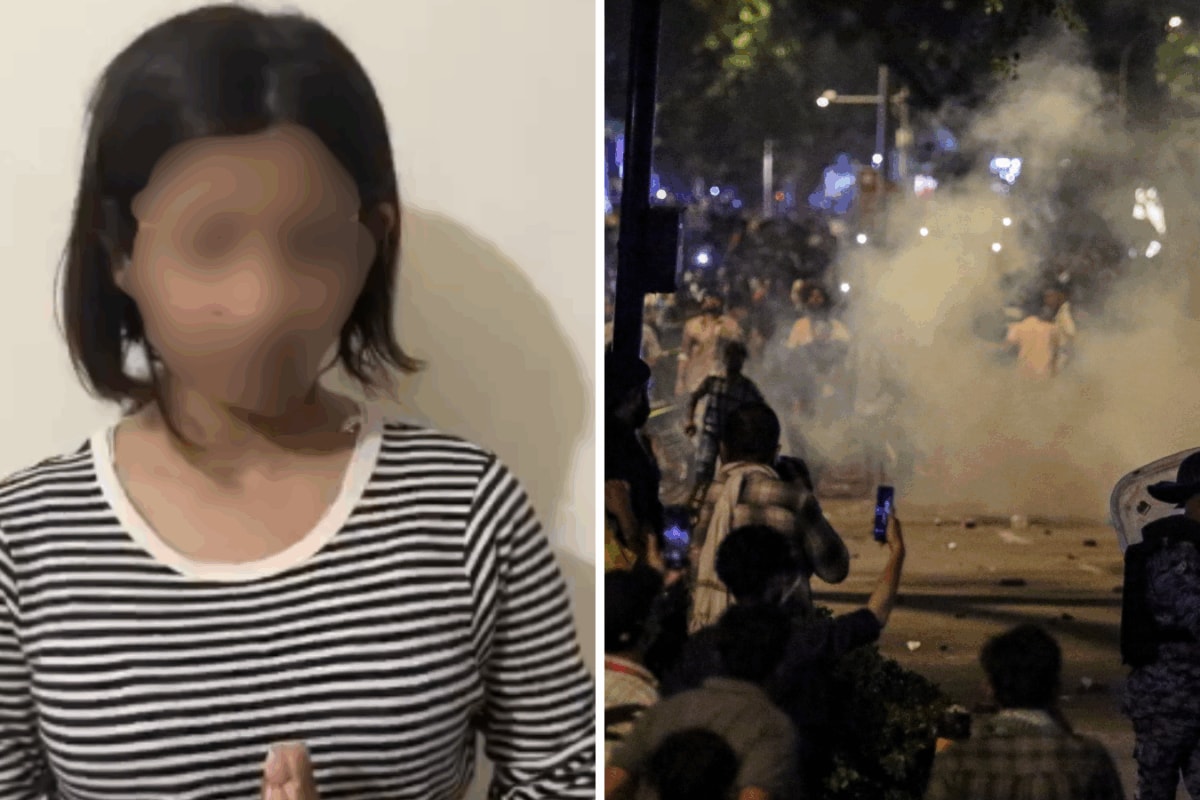
The agitation escalated rapidly, drawing national attention when activist Sonam Wangchuk began an indefinite hunger strike at the protest site on June 28, 2026. On July 20, thousands of protesters, mainly students and Gen Z congregants, defied police orders and attempted a march toward Parliament. This resulted in a brutal crackdown by the Delhi Police, employing tear gas, lathi charges (baton charges), and even pellet guns, leading to numerous injuries and hospitalizations, and temporary internet shutdowns.
Initially, the Modi government attempted to mollify the protesters with low-level concessions, such as Prime Minister Modi's pledge to establish 'fast-track courts' to punish those responsible for exam leaks. However, this offer was swiftly rejected by the CJP, who deemed it a mere 'Band-aid' solution that failed to address the systemic issues and demanded accountability, specifically the Education Minister's resignation. Modi later adopted a softer tone, describing the protesting students as 'misguided children' and emphasizing guidance over punishment, even forgiving those who used abusive language against him and his late mother.
The sustained pressure from the youth movement proved unprecedented. For nearly a decade, Modi's political dominance had been marked by a perceived invincibility and a narrative of youth political indifference. The 'Cockroach Protests' challenged both these assumptions directly. The widespread feelings of injustice, fueled by high unemployment rates and economic precarity alongside corruption, resonated deeply across various segments of Indian youth, including many from Hindu middle-class families who traditionally supported Modi's Bharatiya Janata Party (BJP).
On July 25, 2026, after 36 days of continuous agitation, the government finally bowed to the demands. Union Education Minister Dharmendra Pradhan resigned, taking moral responsibility for the developments surrounding the medical entrance examination. In addition to Pradhan's resignation, the government agreed to withdraw all First Information Reports (FIRs) filed against the student protesters and provide compensation of ₹1 crore (10 million rupees) to the families of students who died by suicide. The protests were subsequently called off, marking a significant victory for the CJP and the youth movement.
The success of the 'Cockroach Protests' is widely seen as a turning point, demonstrating the potency of youth mobilization and social media in challenging established political power in India. It forced an imperious government, unaccustomed to dismissing ministers under public pressure, to be accountable to the people's demands. The movement has also been analyzed as part of a broader trend of Gen Z protests across Asia, driven by shared frustrations with economic inequality, corruption, and a desire for greater opportunities. While the immediate demands were met, the lingering impact includes increased unity among opposition parties in parliament and a renewed focus on addressing systemic issues in education and employment.
Frequently Asked Questions
What were the main reasons behind India's 'Cockroach' protests?
The protests were primarily triggered by the 2026 NEET paper leak and CBSE On-Screen Marking irregularities, which forced millions of students to retake critical examinations. Underlying grievances included high youth unemployment, economic inequality, corruption in the education system, and a growing disillusionment with government policies.
Who were the 'Cockroach' protesters, and why did they adopt that name?
The 'Cockroach' protesters were predominantly India's Gen Z youth and students. They adopted the name 'Cockroach Janta Party' (CJP) satirically after Chief Justice Surya Kant reportedly referred to unemployed youth questioning the system as 'cockroaches' and 'parasites.' The CJP, founded by Abhijeet Dipke, turned this slur into a symbol of their movement.
What were the key demands of the Cockroach Janta Party?
The main demands of the CJP included the resignation of Union Education Minister Dharmendra Pradhan, comprehensive reforms in the public examination system to prevent future leaks, financial compensation for the families of students who died by suicide due to exam-related stress, and the withdrawal of all legal cases against the student protesters.
How did the Modi government initially respond to the protests, and what was the final outcome?
Initially, the Modi government responded with a police crackdown, using tear gas and batons against protesters, and offered limited concessions like 'fast-track courts.' However, facing sustained pressure and widespread public support for the students, the government ultimately conceded to all key demands. This included the resignation of Education Minister Dharmendra Pradhan on July 25, 2026, withdrawal of charges against protesters, and compensation for student suicides.