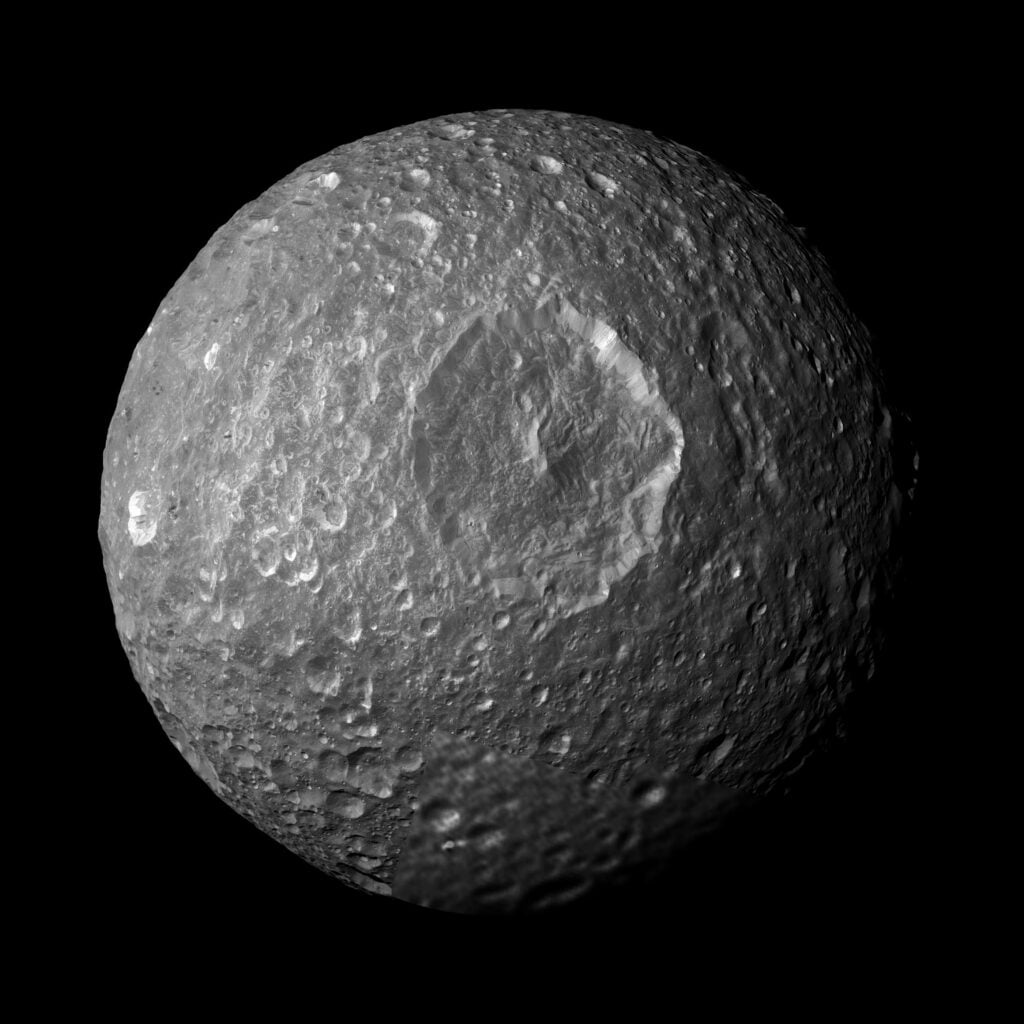
Space Mission Debris Threatens Moon: Urgent Need for Global Lunar Waste Management
An abandoned SpaceX rocket stage recently crashed into the Moon, creating a crater and reigniting concerns about lunar debris. As space exploration accelerates, the accumulation of defunct spacecraft and rocket parts poses a growing risk to scientific research and future lunar bases. Experts are calling for international regulations to manage space waste and prevent the Moon from becoming a dumping ground.
Key Highlights
- Space debris is a growing concern for lunar exploration and potential settlements.
- An 8,800-pound SpaceX Falcon 9 rocket stage crashed into the Moon on August 5.
- Scientists observed spectral lines and dust plumes from the impact.
- About 200 tonnes of human-made material are already on the Moon.
- Lack of international rules complicates lunar waste management.
- India is actively working towards debris-free space missions by 2030.
The Moon is facing a potential waste crisis as the increase in space missions by governments, space agencies, and private companies is leading to a growing accumulation of debris. The recent unintentional crash of an 8,800-pound SpaceX Falcon 9 rocket stage into the lunar surface on August 5 has brought this issue into sharp focus. This impact, which created a crater, has renewed discussions on how to manage discarded spacecraft and rocket hardware in the face of escalating lunar activity.
Humanity's presence on the Moon is not new; approximately 200 tonnes of material have been deliberately placed or have crashed onto the lunar surface since the dawn of the space age. This includes historical artifacts like the descent modules from the Apollo missions, Soviet Lunokhod rovers, and Chinese Yutu lunar rovers. However, not all of this material was intentionally placed. In 2022, a part of a Chinese Long March 3C rocket impacted the far side of the Moon, and the recent SpaceX rocket stage followed a similar trajectory, crashing near Einstein Crater.
The concern over lunar debris is amplified by the Moon's low gravity, which is about 17% of Earth's. This characteristic means that dust ejected from impacts can travel considerable distances, potentially affecting future scientific experiments, equipment, and infrastructure, especially with the prospect of permanent human settlements on the Moon. Experts warn that repeated rocket impacts could contaminate sensitive scientific instruments and interfere with experiments, potentially compromising the Moon's geological record, which stretches back billions of years.
A significant challenge in addressing this growing problem is the lack of comprehensive international regulations governing lunar waste disposal, activity coordination, and hardware management. While the 1967 United Nations Outer Space Treaty mandates avoiding harmful contamination, it lacks a clear definition of what constitutes "harmful" on the Moon. This regulatory gap is becoming increasingly critical as more countries and private entities plan lunar missions.
In response to the escalating issue of space debris, India has taken a proactive stance. The Indian Space Research Organisation (ISRO) has declared its intent for 'Debris-Free Space Missions' (DFSM) by 2030. This initiative aims to ensure all Indian space actors, governmental and non-governmental, design and execute missions with zero debris generation. This includes avoiding debris during operations and post-mission disposal, preventing on-orbit collisions, and ensuring controlled re-entry or de-orbiting of spent stages and satellites. India also encourages other nations to adopt similar initiatives for the long-term sustainability of outer space.
India's commitment to space exploration is evident in its Chandrayaan program. Chandrayaan-1 discovered water on the lunar surface, Chandrayaan-3 achieved the first soft landing in the lunar south pole region, and the upcoming Chandrayaan-4 mission aims to return lunar samples to Earth. Furthermore, India has been invited by NASA to collaborate on its ambitious Moon Base program under the Artemis Accords, signifying its growing role in international lunar endeavors.
The recent SpaceX rocket crash, along with previous impacts like that of a Chinese rocket stage in 2022, serves as a stark reminder of the tangible risks associated with lunar exploration. As human activity on the Moon is projected to increase, with plans for permanent infrastructure and sustained human presence, addressing the issue of space debris and establishing clear guidelines for waste management will be paramount to ensuring responsible and sustainable exploration of the lunar environment.
The scientific observations from the SpaceX rocket impact included detecting spectral lines of sodium and lithium gas in the plume by the European Southern Observatory's Very Large Telescope in Chile. South Korea's Danuri lunar orbiter and NASA's Lunar Reconnaissance Orbiter also captured before-and-after images of the impact site, revealing a dark spot indicative of terrain changes.
The article also touches upon the broader context of space exploration and India's role in it. It highlights India's successful Chandrayaan missions and its invitation to join NASA's Moon Base program. The narrative underscores the dual nature of space exploration: while it pushes the boundaries of human knowledge and capability, it also presents challenges related to environmental impact and sustainability, both on Earth and in space.
Frequently Asked Questions
What happened to the SpaceX rocket that crashed on the Moon?
The upper stage of a SpaceX Falcon 9 rocket, which had been drifting in space for about 18 months, unintentionally crashed into the Moon's surface on August 5, 2026, near Einstein Crater. It created a crater approximately 60 feet wide and 12 feet deep.
Why is lunar debris a concern?
As more missions go to the Moon, spent rocket stages, defunct satellites, and other debris accumulate. This "space junk" poses risks to scientific instruments, future lunar bases, and astronauts due to potential collisions and contamination. The Moon's low gravity means ejected dust can travel far.
Are there international rules for managing waste on the Moon?
Currently, there are no comprehensive international rules specifically governing lunar waste disposal or the management of discarded hardware. While the Outer Space Treaty of 1967 promotes avoiding harmful contamination, it lacks precise definitions for what constitutes 'harmful' on the Moon, leaving a significant regulatory gap.
What is India doing about space debris?
India, through ISRO, is committed to 'Debris-Free Space Missions' (DFSM) by 2030. This initiative aims to prevent debris generation during all mission phases, avoid collisions, and ensure responsible post-mission disposal of spacecraft and rocket stages. India is also encouraging other nations to adopt similar measures.