Astronaut Kimiya Yui Captures Aurora Amidst Early Mission End | Quick Digest
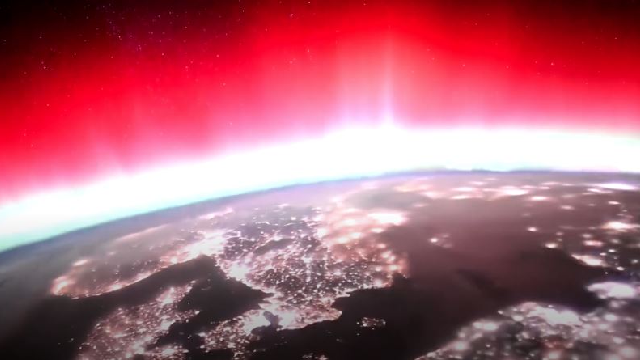
Japanese astronaut Kimiya Yui on the International Space Station captured stunning aurora footage just days before his Crew-11 mission was unexpectedly cut short due to a medical evacuation. The crew's early return was announced on January 8, 2026, marking an abrupt end to their mission.
Japanese astronaut Kimiya Yui captured aurora from ISS.
Footage taken days before Crew-11 mission's early end.
Mission was shortened due to an undisclosed medical evacuation.
Yui expressed joy in capturing the beautiful aurora.
Crew-11 members included astronauts from NASA, JAXA, and Roscosmos.
Japanese astronaut Kimiya Yui of the Japan Aerospace Exploration Agency (JAXA), currently serving aboard the International Space Station (ISS) as part of the Crew-11 mission, captured and shared a breathtaking video of an aurora. The captivating footage, showcasing pink, teal, and purple lights dancing over Earth, was posted just days before his mission was unexpectedly slated to conclude prematurely. This early return, announced by NASA on January 8, 2026, was due to a serious medical condition affecting an unnamed astronaut on the Crew-11 mission, though the affected crew member was reported to be stable.
Yui's video, shared on January 11, 2026, quickly gained attention as the crew's departure date was set for January 14. He reportedly expressed happiness at having captured the aurora, imagining the joy it would bring to viewers. The Crew-11 mission, which also includes NASA astronauts Zena Cardman and Mike Fincke, and Roscosmos cosmonaut Oleg Platonov, originally launched in September 2025. This event highlights the dynamic nature of space missions, where planned durations can change due to unforeseen circumstances, even amidst moments of stunning celestial observation. Such aurora displays are becoming more frequent and intense as the Sun approaches its solar maximum, the peak of its 11-year activity cycle.
Read the full story on Quick Digest