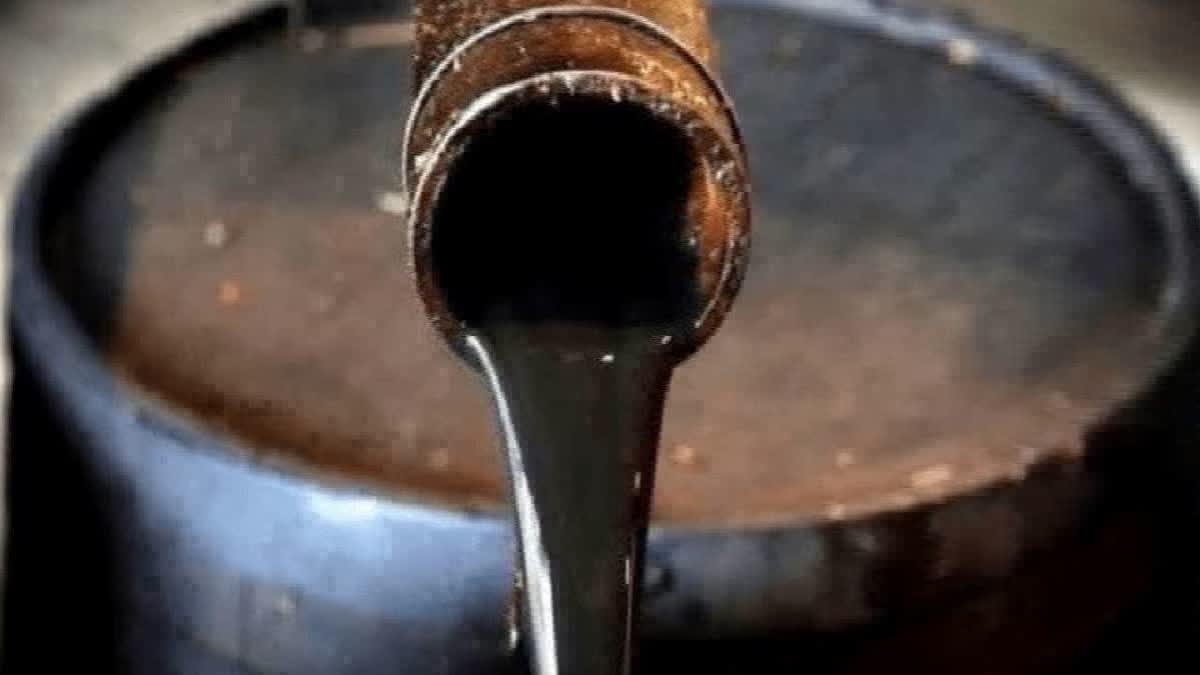
India Halts Fuel Price Hike Amidst Global Crude Volatility
India's government sources confirm no immediate increase in petrol and diesel prices, despite global crude oil breaching $100 per barrel due to West Asia conflict. Public sector oil marketing companies are absorbing the cost pressure, maintaining stability since April 2022. Measures are also in place to ensure LPG supply.
Key Highlights
- No immediate petrol or diesel price hike confirmed by government sources.
- Global crude oil prices surged past $100/barrel due to West Asia conflict.
- Oil marketing companies are absorbing costs to shield Indian consumers.
- Retail fuel prices have largely remained frozen since April 2022.
- LPG booking period extended to 25 days to prevent hoarding and ensure distribution.
- India is diversifying crude oil imports and maintaining adequate energy stocks.
The Indian government has affirmed that there will be no immediate increase in the retail prices of petrol and diesel, despite a significant surge in benchmark crude oil prices globally. Government sources, as reported by The Hindu and corroborated by several other major news outlets, indicated this stance on March 9, 2026, amid escalating geopolitical tensions in West Asia that caused crude prices to breach $100 per barrel and even touch $119.5 intraday.
This decision comes as a relief to Indian consumers, who have seen retail fuel prices largely frozen since April 2022. Public sector oil marketing companies (OMCs) – Indian Oil Corporation (IOC), Bharat Petroleum Corporation Ltd (BPCL), and Hindustan Petroleum Corporation Ltd (HPCL) – are expected to absorb the current cost pressures. Officials stated that OMCs possess enough financial cushion to withstand the volatility, having built margins during periods of lower global crude prices and traditionally cushioning consumers during spikes.
Sources further suggested that petrol and diesel prices are unlikely to be increased unless global crude oil prices sustainably breach the $130 per barrel mark. This policy reflects the government's consistent effort over the past few years to maintain stable pump prices despite international market fluctuations, aiming to blunt inflationary impacts. Finance Minister Nirmala Sitharaman also reportedly stated that the crude surge would not have a substantial impact on inflation.
Beyond liquid fuels, the government has also implemented measures concerning Liquefied Petroleum Gas (LPG). To prevent hoarding and ensure equitable distribution of domestic LPG cylinders, the minimum gap for booking a refill has been increased from 21 days to 25 days. The Ministry of Petroleum and Natural Gas (MoPNG) has mandated oil refining companies to maximise LPG production and prioritise its supply to households. This step was taken in response to instances where some individuals were booking cylinders more frequently than typical household consumption patterns, potentially leading to artificial scarcity.
India, being heavily dependent on crude oil imports (around 88% of its needs), is particularly vulnerable to global price fluctuations and geopolitical events. In light of the West Asia conflict impacting crucial shipping routes like the Strait of Hormuz, India has actively diversified its crude oil import sources. Government sources emphasized that India has adequate stocks of crude oil and finished fuels to meet its requirements for the next 6-8 weeks, with continuous replenishment from alternative regions. Efforts have been accelerated to source crude from routes other than the Strait of Hormuz, with the share of crude sourced from alternative routes increasing from approximately 60% to nearly 70%. This strategic diversification enhances India's energy security and resilience against global supply disruptions.
The overall sentiment from the government is one of confidence in managing the current global energy landscape without immediately passing on the increased costs to consumers for petrol and diesel. While concerns about LPG supply for commercial and industrial users have been noted, the focus remains on ensuring domestic household supply stability.
Frequently Asked Questions
Why are petrol and diesel prices not increasing in India despite rising global crude oil prices?
Government sources indicate that public sector oil marketing companies (OMCs) have sufficient financial margins to absorb the current increase in global crude oil prices. Additionally, retail fuel prices in India have been largely frozen since April 2022, with OMCs adjusting profits and losses to maintain stability.
What is the reason for the recent surge in global crude oil prices?
The recent surge in global crude oil prices, reportedly breaching $100 per barrel and even touching $119.5, is primarily attributed to escalating geopolitical tensions and conflict in the West Asia region.
Will there be any changes to LPG cylinder booking rules?
Yes, to prevent hoarding and ensure equitable distribution of domestic LPG cylinders, the minimum waiting period for booking a refill has been increased from 21 days to 25 days. The government has also directed refineries to maximize LPG production for domestic use.
How is India ensuring its energy security amidst global supply concerns?
India is diversifying its crude oil import sources to reduce reliance on vulnerable routes like the Strait of Hormuz. Government sources confirm adequate stocks of crude oil and finished fuels, with continuous replenishment from various regions globally.
When were petrol and diesel prices last significantly changed in India?
Retail petrol and diesel prices in India have remained largely unchanged, effectively frozen, since April 2022. Oil marketing companies have absorbed market fluctuations since then.