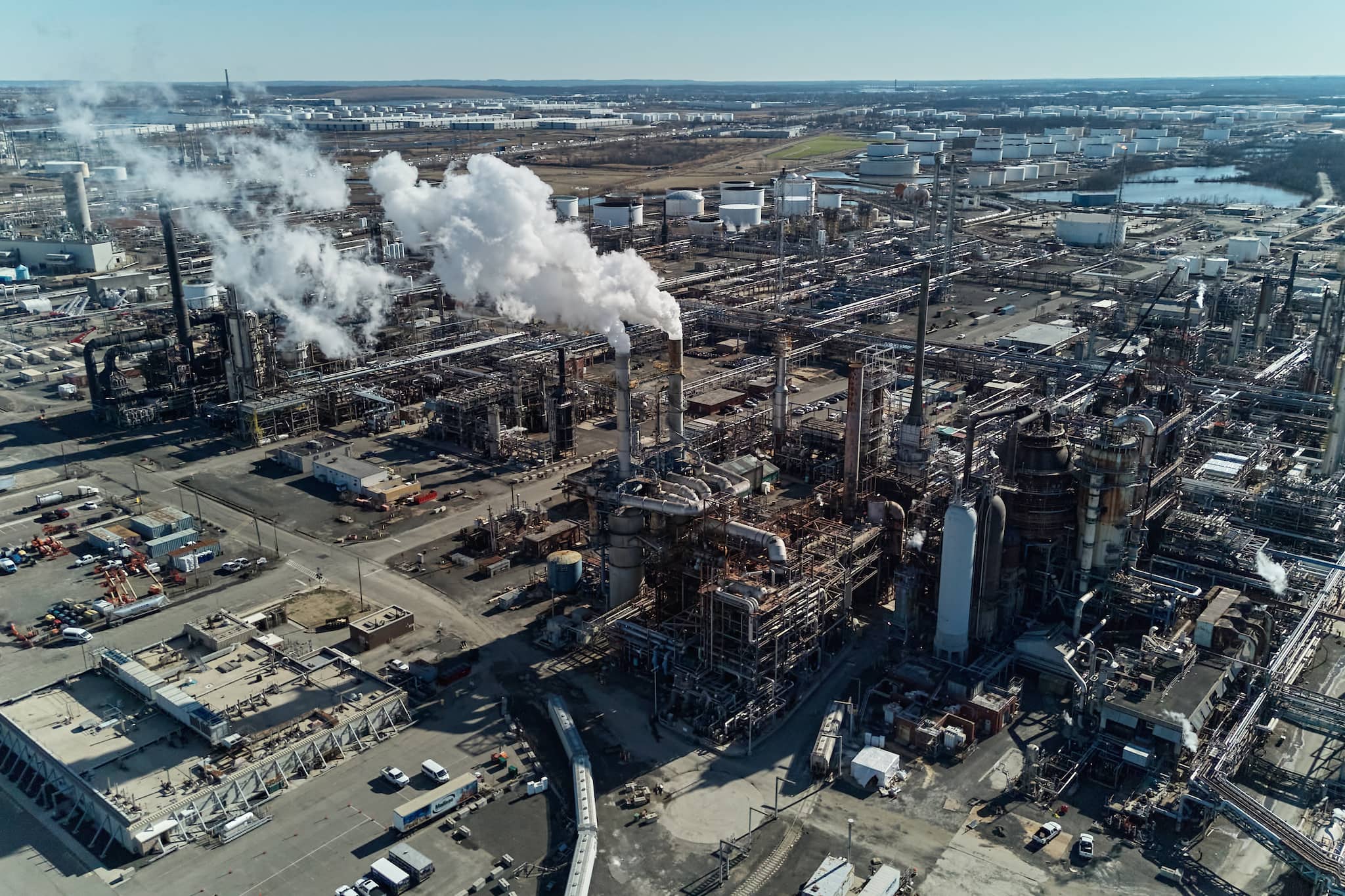
Trump Warns Iran Against Qatar Attacks After Israeli Strike on Gas Field
Donald Trump has stated that Israel acted alone in striking Iran's South Pars gas field, denying U.S. prior knowledge. Following Iranian retaliation against Qatar's energy infrastructure, Trump issued a stark warning, threatening to 'massively blow up' the South Pars field if Iran targets Qatar again. The events mark a significant escalation in the ongoing regional conflict.
Key Highlights
- Israel struck Iran's South Pars gas field without explicit U.S. prior knowledge, according to Trump.
- Trump declared Israel would cease attacks on South Pars unless Iran targeted Qatar.
- Iran retaliated by attacking Qatar's Ras Laffan LNG facility, causing extensive damage.
- Trump threatened massive U.S. retaliation against Iran's gas field if Qatar is attacked again.
- The ongoing conflict has significantly escalated, impacting global energy markets.
- Qatar condemned both Israeli and Iranian attacks, expelling Iranian diplomats.
In a significant escalation of tensions in the Middle East, former U.S. President Donald Trump has made critical statements regarding recent military actions involving Israel, Iran, and Qatar. Trump claimed that Israel acted unilaterally in striking Iran's South Pars gas field, asserting that the United States had no prior knowledge of this particular attack. This assertion, made on his Truth Social platform, came amidst reports that U.S. and Israeli officials had, in fact, coordinated on the strike, although Trump publicly denied U.S. involvement or awareness. Qatar also reportedly denied any prior knowledge of the Israeli strike.
The Israeli strike on a portion of Iran's South Pars gas field, a site of immense strategic and economic importance, was described by Trump as Israel "violently lash[ing] out" due to ongoing developments in the Middle East. The South Pars field, shared by Iran and Qatar, represents the world's largest natural gas reserve, making any attack on it a matter of global energy security concern.
Following the Israeli attack, Iran swiftly retaliated by launching missile strikes against Qatar's energy infrastructure, specifically targeting the Ras Laffan Industrial City, a critical hub for liquefied natural gas (LNG) production. These Iranian missile attacks reportedly caused 'extensive damage' and 'sizeable fires' at Qatar's LNG facilities, further escalating the conflict and triggering immediate concerns for global energy supplies. QatarEnergy, the state-run energy company, confirmed the damage and disruptions.
In response to these retaliatory strikes on Qatar, President Trump issued a severe warning to Iran. He stated that while Israel would make 'NO MORE ATTACKS' on the South Pars gas field, this cessation was contingent on Iran refraining from further targeting Qatar. Crucially, Trump threatened that if Iran 'unwisely decides to attack' Qatar again, the United States, 'with or without the help or consent of Israel,' would 'massively blow up the entirety of the South Pars Gas Field at an amount of strength and power that Iran has never seen or witnessed before.' He conveyed a reluctance to authorize such violence due to its long-term implications for Iran but affirmed his resolve if Qatar's LNG facilities were attacked again.
The unfolding events are part of a broader 'U.S.-Israeli war on Iran' that commenced on February 28, leading to thousands of casualties in Iran and significant depletion of its leadership, according to reports. Iran, in turn, has responded with missile and drone attacks across the Middle East, including against Israel and Gulf states hosting U.S. military bases, and has severely impacted marine traffic through the Strait of Hormuz, a vital shipping lane for global oil supplies. This has sent global oil prices surging and raised fears of a severe shock to the world economy.
Qatar, a close U.S. ally and co-owner of the South Pars field, found itself caught in the crossfire. Its foreign ministry spokesperson condemned Israel's initial strike as 'dangerous and irresponsible' and a 'threat to global energy security.' Simultaneously, Qatar also rebuked Iran for a 'flagrant breach of international law' following the attack on Ras Laffan, responding by expelling two senior Iranian diplomats. This highlights Qatar's precarious position and its attempts to navigate the escalating regional conflict.
The claims from Trump regarding Israel acting alone have been met with some skepticism, as certain reports suggested the U.S. was informed of Israel's plans beforehand. Regardless, Trump's public statements underscore a complex and rapidly evolving geopolitical situation, where energy infrastructure has become a direct target and a tool for leverage. The implications for regional stability and global energy markets are profound, affecting countries like India that are heavily reliant on Middle Eastern oil and gas. The threat of further escalation remains high, with all parties demonstrating a willingness to use military force to protect their interests or retaliate against perceived aggressions.
This news story from The Hindu, published on March 19, 2026, accurately reports on these critical, real-time developments, which are corroborated by numerous other credible news outlets.
Frequently Asked Questions
What triggered the recent escalation of conflict in the Middle East?
The recent escalation was triggered by an Israeli strike on Iran's South Pars gas field, which subsequently led to Iranian retaliation targeting Qatar's Ras Laffan LNG facility.
What was Donald Trump's reaction to the Israeli strike and Iranian retaliation?
Donald Trump claimed the U.S. had no prior knowledge of Israel's strike on the Iranian gas field and warned Iran that if it targets Qatar's energy facilities again, the U.S. would 'massively blow up' the entire South Pars gas field.
Why is the South Pars gas field significant in this conflict?
The South Pars gas field is the world's largest natural gas reserve, jointly owned by Iran and Qatar. Attacks on this field, or threats to it, have significant implications for global energy security and the economies of both Iran and Qatar.
How has Qatar responded to the attacks?
Qatar's foreign ministry condemned the Israeli strike as 'dangerous and irresponsible' and also criticized Iran's retaliatory attack on its Ras Laffan facility as a 'flagrant breach' of international law, resulting in the expulsion of two Iranian diplomats.
What are the broader implications of this conflict for India?
For India, a major importer of oil and gas from the Middle East, this escalating conflict poses a significant threat to energy security, potentially leading to increased fuel prices and supply disruptions, thus impacting its economy.