Israel strikes Beirut suburbs amid ongoing Lebanon conflict
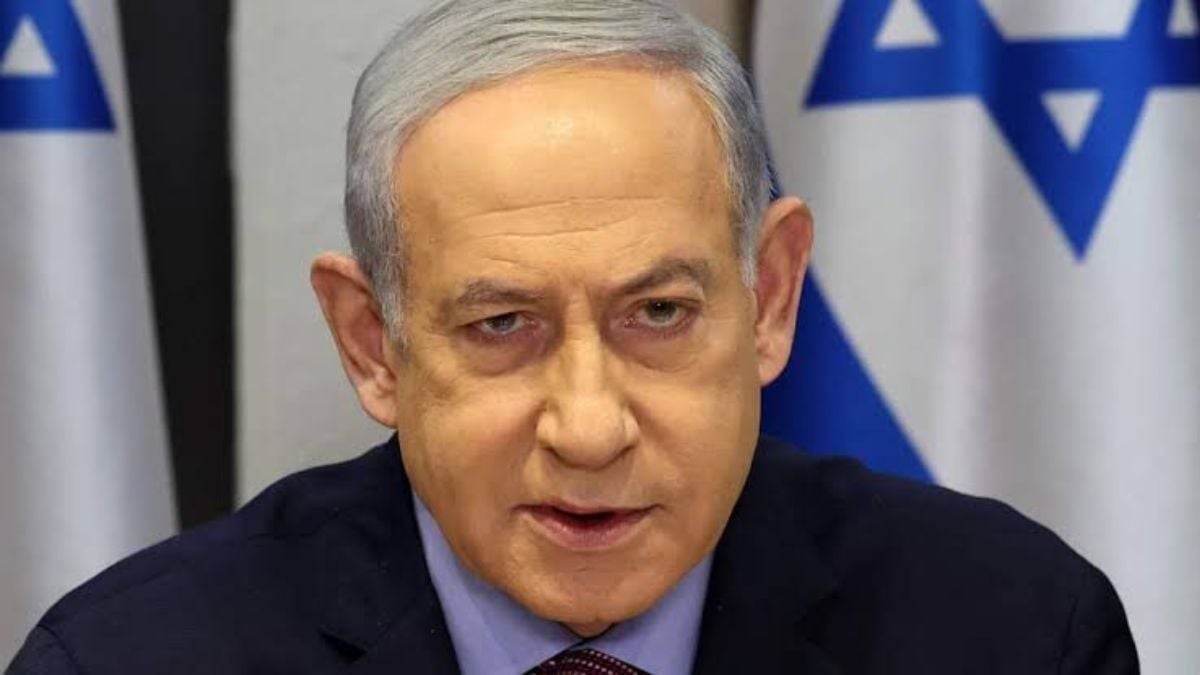
Reuters reports that Israel has carried out strikes on the suburbs of Beirut, marking the first attacks near the Lebanese capital in weeks. The strikes come amid intensified cross-border hostilities between Israel and Hezbollah. This development occurs as diplomatic efforts for a ceasefire are reportedly underway, with the US mediating a proposal.
Key Highlights
- Israel conducted strikes in Beirut's suburbs.
- These are the first attacks near the capital in weeks.
- The conflict between Israel and Hezbollah has intensified.
- US-mediated ceasefire talks are reportedly ongoing.
- Impact on regional stability and potential humanitarian concerns are noted.
The ongoing conflict between Israel and Hezbollah has seen a significant escalation with reports of Israeli airstrikes targeting the suburbs of Beirut. This marks the first time in several weeks that the Lebanese capital has been directly affected by such attacks. The strikes, reported by Reuters, underscore the volatile security situation and the continuous nature of the hostilities, even as diplomatic efforts aim to broker a ceasefire.
The intensification of strikes follows a period of heightened cross-border exchanges between Israeli forces and Hezbollah. Recent reports indicate daily shelling and airstrikes by the Israeli military, particularly around strategic locations like Ali Taher hill, which has become a focal point of the conflict. Hezbollah has responded with drone attacks and rocket fire, leading to retaliatory actions from Israel. This cycle of violence has resulted in civilian casualties and displacement on both sides of the border. The Lebanese health ministry has reported significant numbers of fatalities, including women and children, in various southern Lebanese towns following Israeli bombardments.
Amidst this escalating military activity, diplomatic channels are reportedly active. The United States has been mediating a ceasefire proposal, with discussions involving Lebanese officials and Hezbollah's representatives. However, the effectiveness of these diplomatic efforts is constantly challenged by the ongoing military engagements. Reports suggest that Israeli forces have claimed control of key Hezbollah strongholds, such as Ali al-Taher Ridge, which is described as a strategic underground complex. The capture of such sites is viewed by Israel as a military setback for Hezbollah and a means to protect its northern towns, potentially strengthening its negotiating position for future withdrawals.
The conflict has broader regional implications, threatening trade routes and strategic projects like the India-Middle East Economic Corridor (IMEC). India, being heavily reliant on imported oil, faces the risk of increased inflationary pressures and a depreciating rupee due to potential disruptions in oil and gas production and supply chains. The safety of the Indian diaspora in West Asia also becomes a concern during such escalations.
Internationally, there are calls for an immediate cessation of hostilities and adherence to international humanitarian law. The UN Secretary-General has expressed deep concern over the escalating military operations and mounting civilian casualties, urging all parties to respect Lebanon's sovereignty and territorial integrity. The situation highlights the complex geopolitical dynamics at play, with Iran's backing of Hezbollah being a significant factor. The conflict also raises questions about the precision of Israeli strikes and their impact on civilian infrastructure, with investigations examining the spectrum of destruction caused by various attacks. Despite claims of precision targeting, civilian casualties and extensive damage suggest a broader impact than initially portrayed. The ongoing violence has led to significant displacement within Lebanon, with over a million people reportedly displaced due to Israeli airstrikes and the ground invasion. The humanitarian situation is a growing concern, with aid agencies warning of a potential catastrophe if the conflict continues unabated. The international community's role in de-escalating the tensions and achieving a lasting solution remains crucial, especially given the fragile nature of the ongoing diplomatic efforts and the persistent military actions on the ground. The US-mediated framework agreement signed in June, aimed at a gradual Israeli withdrawal in exchange for the deployment of the Lebanese army, faces constant challenges from continued Israeli operations and Hezbollah's resistance.
Frequently Asked Questions
What is the current situation between Israel and Hezbollah?
The situation remains highly volatile with ongoing military operations, including Israeli airstrikes on Lebanese territories and Hezbollah's retaliatory actions. There are frequent cross-border exchanges, leading to civilian casualties and displacement.
Have there been strikes on Beirut suburbs recently?
Yes, recent reports indicate Israeli strikes have targeted the suburbs of Beirut, marking a significant escalation and the first such attacks near the capital in several weeks.
Are there any ongoing efforts to achieve a ceasefire?
Yes, diplomatic efforts are underway, with the United States mediating a ceasefire proposal. However, the effectiveness of these talks is challenged by the continued military engagements on the ground.