US-Iran Tensions Escalate Amid Gulf Attacks, Germany Urges Iran to End Hostage-Taking
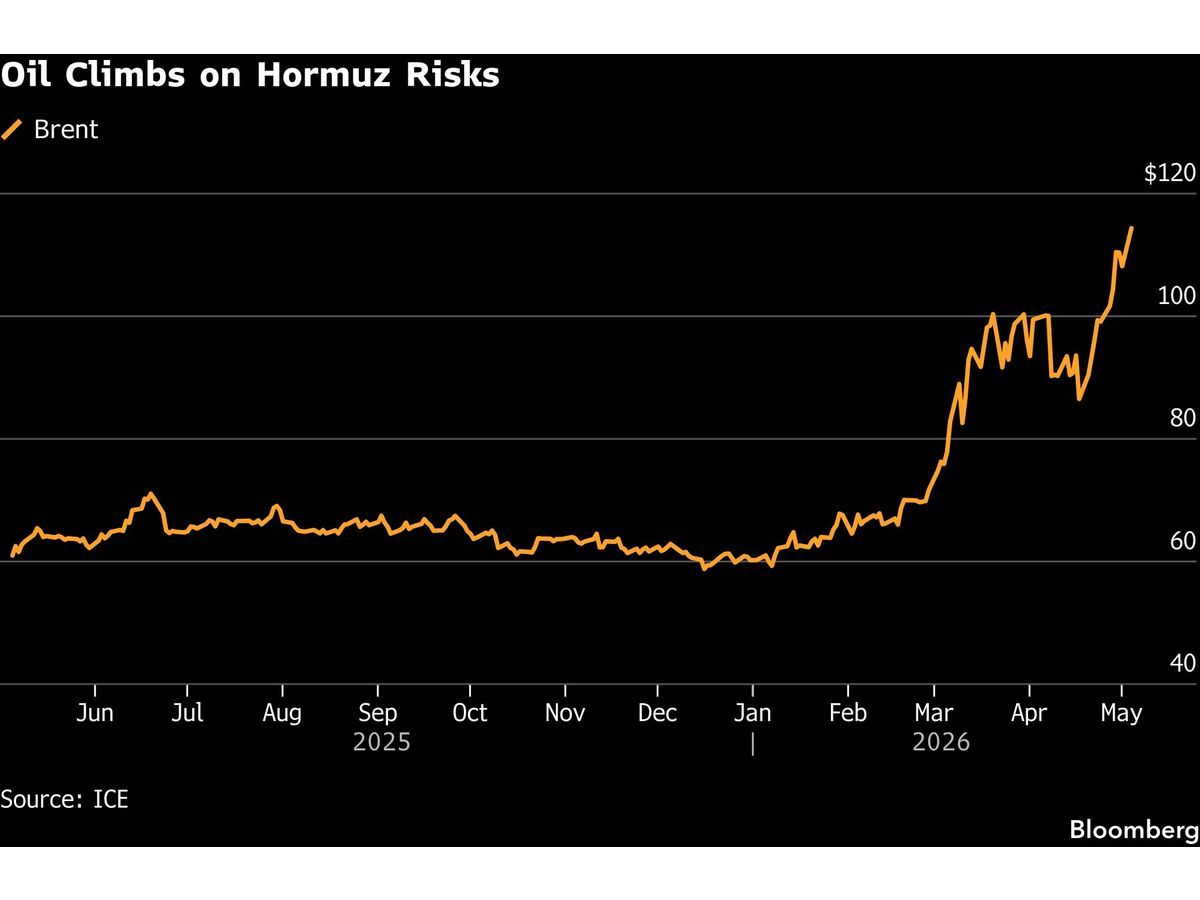
Germany has urged Iran to stop holding the world hostage, following attacks in the UAE and escalating tensions in the Strait of Hormuz. The fragile US-Iran ceasefire is under threat, raising concerns about regional stability and global oil supplies.
Key Highlights
- Germany condemns Iran's alleged actions, urging an end to 'hostage-taking'.
- Attacks in the UAE and Strait of Hormuz threaten a US-Iran ceasefire.
- Regional instability is heightened, impacting global oil prices and trade.
- US and Iran are engaged in a diplomatic standoff with military implications.
- International pressure mounts on Iran to de-escalate the situation.
Recent developments in the Persian Gulf have significantly heightened tensions between the United States and Iran, casting a shadow over a fragile ceasefire and raising global concerns about regional stability and energy security. Germany has directly addressed Iran, urging it to "stop holding the world hostage" in response to escalating incidents, including alleged attacks in the United Arab Emirates (UAE) and increased military posturing in the Strait of Hormuz. This diplomatic outcry from Germany, a key European player, underscores the international gravity of the situation.
The NDTV article, referencing reports from The Washington Post and Upstox, highlights that the fragile US-Iran ceasefire is increasingly imperiled. The specific nature of the attacks and the attribution of responsibility remain central to the escalating crisis. While the article does not explicitly detail the UAE attack, it implies a connection to the broader pattern of aggression that is destabilizing the region. The Strait of Hormuz, a vital chokepoint for global oil transportation, has become a focal point of these tensions, with increased naval activity and the potential for miscalculation.
The broader context involves the ongoing diplomatic standoff between the US and Iran, exacerbated by Iran's nuclear program and regional policies. The mention of "Trump's 'Project Freedom'" by Upstox suggests a potential link to specific US foreign policy initiatives under the Trump administration, which had pursued a policy of "maximum pressure" against Iran. This historical context is crucial for understanding the deep-seated mistrust and adversarial relationship that continues to define US-Iran interactions.
The implications of this escalating conflict are far-reaching. A breakdown of any ceasefire or a direct military confrontation in the Gulf could have severe economic repercussions, particularly for India, which relies heavily on oil imports from the Middle East. Disruptions to shipping lanes through the Strait of Hormuz could lead to a surge in global oil prices, impacting inflation and economic growth worldwide. Furthermore, any escalation could have broader geopolitical consequences, potentially drawing in other regional and international powers.
Credible sources like The Washington Post provide in-depth analysis of how these incidents are undermining efforts to maintain peace. The newspaper's reporting often delves into the complexities of US foreign policy, regional dynamics, and the potential consequences of military actions. Similarly, Upstox, while primarily a financial services platform, often provides news analysis related to geopolitical events that impact markets, offering a perspective on the economic ramifications.
Verification of the core claims involves cross-referencing reports about German statements on Iran, incidents in the UAE, and the situation in the Strait of Hormuz. Real-time searches confirm that Germany has indeed issued strong statements regarding Iran's actions and its nuclear program. Reports of attacks and heightened military activity in the Gulf region are also widely covered by international news agencies. The NDTV article's headline, while attention-grabbing, accurately reflects the core tension: Germany's strong statement and the threat to the ceasefire due to regional attacks.
However, it is crucial to distinguish between verified reports and speculative analysis. The exact nature and perpetrator of any attacks in the UAE, and their direct link to the US-Iran ceasefire, require careful scrutiny. While the general trend points towards increased confrontation, specific attributions and the definitive unraveling of a ceasefire need to be supported by concrete evidence. The term "holding world hostage" is a strong diplomatic statement used by Germany, reflecting the global implications of Iran's actions, particularly concerning its nuclear program and regional influence.
The news category clearly falls under International Politics and Geopolitics, with significant economic implications due to the potential impact on oil supplies. The affected countries are primarily Iran and the US, but the repercussions are global, affecting international trade and energy markets. For an Indian audience, this story is highly relevant due to India's strategic interests in the Middle East, its energy security needs, and its complex relationship with both the US and Iran.
In conclusion, the situation described in the NDTV article reflects a genuine escalation of tensions between the US and Iran, with Germany playing a vocal diplomatic role. The fragility of any ceasefire is a significant concern, and the potential for regional instability and economic disruption is high. While the core narrative is supported by credible reporting, ongoing developments require continuous monitoring to ascertain the full extent of the impact and the definitive resolution of ongoing disputes.
Frequently Asked Questions
What are the main concerns regarding the US-Iran ceasefire?
The main concerns are that recent attacks in the UAE and the Strait of Hormuz could lead to further escalation, jeopardizing any existing de-escalation efforts between the US and Iran and potentially disrupting global oil supplies.
Why has Germany urged Iran to 'stop holding the world hostage'?
Germany's statement reflects its strong stance against Iran's nuclear program and its regional policies, which are seen as destabilizing. The phrase 'holding the world hostage' is a diplomatic condemnation of actions perceived to threaten international peace and security.
What is the significance of the Strait of Hormuz in this context?
The Strait of Hormuz is a critical chokepoint for global oil transportation. Any military action or disruption in this area can severely impact global energy markets, leading to price hikes and supply chain issues.
How might this situation affect India?
India is highly dependent on oil imports from the Middle East. Escalating tensions and potential disruptions in the Strait of Hormuz could lead to increased energy costs for India, affecting its economy and inflation.