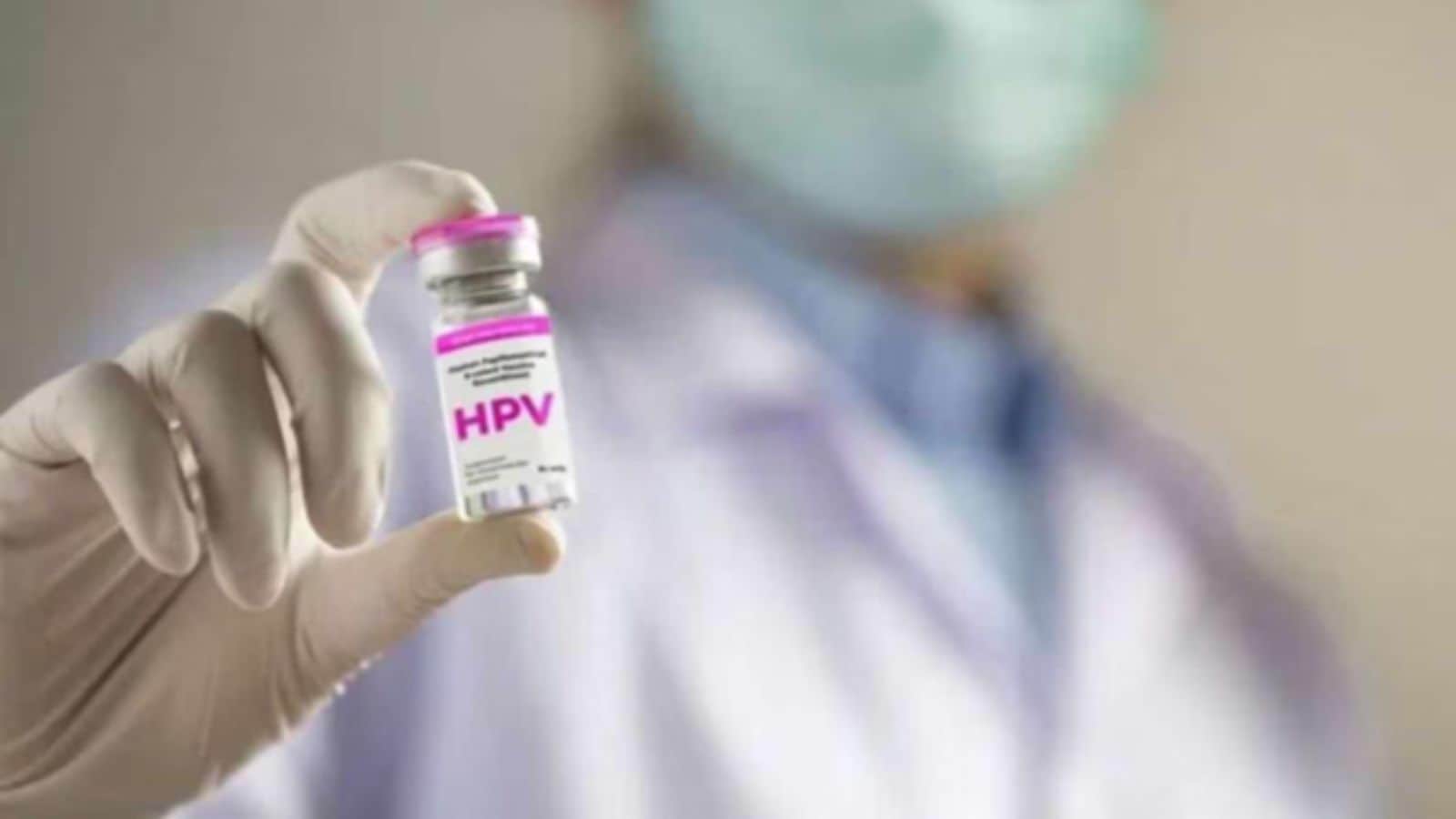
India launches nationwide HPV vaccination drive for 14-year-old girls
India has launched its largest-ever HPV vaccination campaign, offering free doses to 14-year-old girls nationwide to combat cervical cancer. This initiative aligns with WHO's global strategy and aims to prevent HPV infections and significantly reduce cervical cancer incidence.
Key Highlights
- Nationwide HPV vaccination drive targets 14-year-old girls.
- Vaccination is free and voluntary, administered at government facilities.
- Campaign aims to eliminate cervical cancer, a major health concern in India.
- Utilizes Gardasil-4 vaccine, following WHO recommendations for a single dose.
- Digital platforms like U-WIN are used for monitoring and record-keeping.
- Government urges utilization of public health services for vaccination.
India has launched a monumental nationwide Human Papillomavirus (HPV) vaccination campaign, targeting approximately 12 million 14-year-old girls annually with the aim of drastically reducing the incidence of cervical cancer. This ambitious initiative, inaugurated by Prime Minister Narendra Modi on February 28, 2026, represents the largest free HPV vaccination drive in history and is a significant stride towards eliminating cervical cancer as a public health problem in the country.
The campaign aligns with the World Health Organization's (WHO) global strategy to eliminate cervical cancer, which includes achieving 90% HPV vaccination coverage among girls by 2030. Cervical cancer is a critical health issue in India, being the second most common cancer among women, with an estimated 120,000 new cases and over 77,000 deaths reported annually. The HPV vaccine, particularly the Gardasil-4 quadrivalent vaccine, is a powerful tool for prevention, targeting the high-risk HPV types (16 and 18) responsible for the majority of cervical cancer cases. Scientific evidence supports a single-dose regimen for girls in this age group, providing robust and lasting protection.
The vaccination program is being implemented through designated government health facilities across all states and Union Territories, including Ayushman Arogya Mandirs, Community and District Hospitals, and Government Medical Colleges. The vaccine is provided free of cost, ensuring equitable access for all girls, regardless of their socio-economic background. The initiative is voluntary and requires parental consent, reflecting the government's respect for community values and family autonomy.
Logistical management of the campaign is being streamlined through digital platforms. The U-WIN platform, similar to the system used for COVID-19 vaccinations, is being utilized for slot booking and digital certification, enhancing efficiency and record-keeping. The Electronic Vaccine Intelligence Network (eVIN) is also being employed to monitor vaccine stocks and cold-chain logistics.
The government's push for HPV vaccination is part of a broader strategy to strengthen women's health and promote the utilization of government health services. Union Health Minister Jagat Prakash Nadda has urged citizens to utilize these services, emphasizing the government's commitment to providing accessible and affordable healthcare. This campaign builds upon existing efforts to combat non-communicable diseases, including the National Programme for Prevention and Control of Non-Communicable Diseases (NP-NCD), which has already screened over 86 million women for cervical cancer using Visual Inspection with Acetic Acid (VIA).
While the vaccine has an excellent safety record globally, with decades of use and millions of doses administered, the launch has also seen some social media opposition, often referencing past controversies. However, medical associations and government agencies are actively engaged in public outreach to reassure the public about the vaccine's safety and efficacy, emphasizing that it is a crucial preventive tool against a deadly disease. The inclusion of this vaccination into the universal immunization schedule is planned after the initial 90-day campaign concludes.
Concerns have been raised by some public health experts regarding the choice of Gardasil-4 over Gardasil-9, which offers broader protection, and the single-dose regimen's effectiveness compared to a two-dose schedule in certain contexts. However, the government's decision to proceed with Gardasil-4 and a single-dose schedule is based on WHO recommendations and evidence supporting its efficacy in the targeted age group. India also has its own indigenously developed HPV vaccine, Cervavac, which covers the same four types as Gardasil-4.
The initiative underscores India's commitment to achieving universal health coverage and a healthier future for its women and girls. The Prime Minister's vision of 'Swasth Nari, Sashakt Parivar' (Healthy Women, Empowered Families) is central to this effort, aiming to empower women through preventive healthcare and enhance overall family well-being.
Frequently Asked Questions
What is the HPV vaccine and why is it being given in India?
The HPV (Human Papillomavirus) vaccine protects against infections caused by the human papillomavirus, which is the primary cause of cervical cancer. India has launched a nationwide campaign to administer this vaccine to 14-year-old girls to prevent cervical cancer, a significant public health concern in the country.
Who is eligible for the free HPV vaccine in India?
The nationwide HPV vaccination campaign is targeting 14-year-old girls. The vaccine is being provided free of cost and voluntarily at designated government health facilities across India.
Which vaccine is being used in India's HPV vaccination drive?
India is using the Gardasil-4, a quadrivalent HPV vaccine, in its nationwide vaccination drive. This vaccine protects against HPV types 16 and 18, which are responsible for most cervical cancers, as well as types 6 and 11.
How will the HPV vaccination campaign be monitored?
The campaign will be digitally monitored using platforms like U-WIN for slot booking and certification, and eVIN for tracking vaccine stocks and cold-chain logistics. This integration aims to ensure efficient implementation and record-keeping.
Is the HPV vaccination mandatory in India?
No, the HPV vaccination campaign is voluntary. It requires parental consent, emphasizing the government's respect for community values and family autonomy.