DR Congo Ebola Outbreak: 381 Cases, 63 Deaths Reported in June
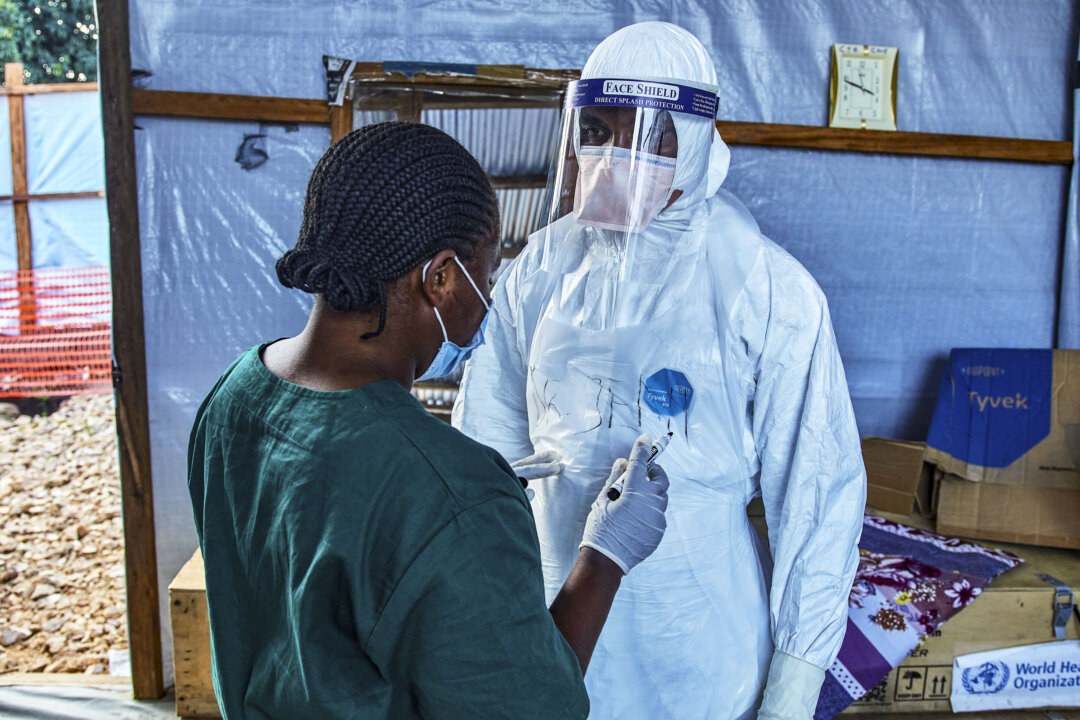
As of June 4, 2026, the Democratic Republic of Congo reported 381 confirmed Ebola cases and 63 deaths, according to Health Minister Roger Kamba. The outbreak, declared on May 15, affected Ituri, North Kivu, and South Kivu provinces and was designated a Public Health Emergency of International Concern.
Key Highlights
- DR Congo Health Minister reported 381 Ebola cases and 63 deaths by June 4, 2026.
- Outbreak, caused by Bundibugyo virus, declared on May 15, 2026.
- Affected Ituri, North Kivu, and South Kivu provinces in eastern DRC.
- World Health Organization designated it a public health emergency.
- Uganda reported 16 confirmed cases, highlighting regional spread.
- Testing capacity and contact tracing efforts significantly improved.
On June 5, 2026, Xinhua reported that the Democratic Republic of Congo's Health Minister, Roger Kamba, announced a rise in confirmed Ebola cases to 381, with 63 fatalities as of the evening of June 4, 2026. This update came during a press briefing held in Kinshasa, where Minister Kamba provided details on the escalating public health crisis. The outbreak, which was officially declared by the DRC government on May 15, 2026, was attributed to the Bundibugyo virus, a less common but still deadly strain of Ebola.
The affected regions primarily included the eastern provinces of Ituri, North Kivu, and South Kivu, areas that have frequently grappled with Ebola outbreaks due to various factors including geographical challenges, conflict, and limited healthcare infrastructure. The minister highlighted that approximately 233 patients were receiving treatment or isolated in health facilities while awaiting test results, indicating significant strain on the healthcare system.
In response to the growing concerns, the World Health Organization (WHO) had designated this particular outbreak as a Public Health Emergency of International Concern (PHEIC). This designation underscores the serious nature of the outbreak and the potential for international spread, prompting a need for coordinated global efforts.
Minister Kamba also noted improvements in the country's response capabilities. Testing capacity had significantly increased following the delivery of over 4,000 testing kits from the Africa Centers for Disease Control and Prevention and additional international support. This enhancement allowed health authorities to process almost all samples within 24 hours, crucial for timely diagnosis and containment. Furthermore, contact tracing efforts had improved from approximately 9 percent at the beginning of the response to 55 percent, with a target of reaching 90 percent to effectively identify and monitor contacts of infected individuals and anticipate new cases.
The regional impact of the outbreak was also evident, as neighboring Uganda reported 16 confirmed cases, with one new case confirmed on the Thursday prior to the minister's statement. This cross-border transmission underscored the critical need for regional cooperation and strengthened health security measures to prevent further spread.
At the time of this report in early June 2026, health authorities and international partners were intensifying efforts in testing, isolation, treatment, and contact tracing across the affected eastern provinces. These measures are standard in controlling Ebola outbreaks, aiming to break chains of transmission and provide care for the sick.
It is important to note that while these figures were accurate as of June 4, 2026, the Ebola outbreak in DR Congo has since evolved significantly. Subsequent reports from August 2026 indicated a substantial increase in cases and deaths, with figures surpassing 5,300 confirmed cases and 2,550 deaths by late August, highlighting the rapid and challenging nature of the epidemic's progression. The United Nations, in an August 22, 2026 report by Xinhua, warned that the outbreak was 'growing exponentially' and outpacing response efforts. As of August 25, 2026, the European Centre for Disease Prevention and Control (ECDC) reported a total of 5,656 confirmed cases and 2,715 related deaths, with 792 patients hospitalized in isolation, demonstrating the continued severity and expansion of the crisis. The original article from June 5, 2026, therefore, served as an early update in what became a much larger and more prolonged public health emergency.
Frequently Asked Questions
What were the key statistics of the DR Congo Ebola outbreak reported in early June 2026?
As of June 4, 2026, the Democratic Republic of Congo reported 381 confirmed Ebola cases and 63 deaths, according to Health Minister Roger Kamba.
When was this particular Ebola outbreak in DR Congo officially declared?
The Ebola outbreak discussed in the news was officially declared by the DR Congo government on May 15, 2026.
Which provinces in the DR Congo were primarily affected by this Ebola outbreak?
The outbreak, caused by the Bundibugyo virus, primarily affected the provinces of Ituri, North Kivu, and South Kivu in eastern DR Congo.
What was the international response to this Ebola outbreak?
The World Health Organization (WHO) designated the outbreak as a Public Health Emergency of International Concern (PHEIC), signaling a need for coordinated international support and response.
Did the outbreak spread to neighboring countries?
Yes, neighboring Uganda had reported 16 confirmed cases by early June 2026, highlighting the regional spread of the virus.