Trump Rejects Netanyahu's F-35 Objections, Weighs Turkey Sale
Former U.S. President Donald Trump dismissed Israeli Prime Minister Benjamin Netanyahu's objections to a potential F-35 fighter jet sale to Turkey, asserting that he dictates U.S. arms sales. This stance, articulated on July 27, 2026, ahead of a White House meeting, signals a possible foreign policy shift impacting regional stability and alliances.
Key Highlights
- Trump rejected Netanyahu's opposition to F-35 sale to Turkey.
- Trump stated 'Nobody tells me what we should be selling' aboard Air Force One.
- Netanyahu publicly cautioned against providing advanced jets to Turkey.
- Turkey was removed from the F-35 program in 2019 over S-400 purchase.
- Potential F-35 sale impacts Middle East balance and has implications for India.
- Despite Trump's public statements, the F-35 sale was not discussed in their meeting.
In a significant development reflecting potential shifts in U.S. foreign policy, former U.S. President Donald Trump publicly dismissed objections from Israeli Prime Minister Benjamin Netanyahu regarding a potential sale of F-35 fighter jets to Turkey. Speaking to reporters aboard Air Force One on Monday, July 27, 2026, Trump emphatically stated, 'Nobody tells me what we should be selling,' asserting Washington's sole authority over its arms exports. He further described Turkey as a 'tremendous ally' and referred to Turkish President Recep Tayyip Erdoğan as a 'friend,' highlighting his willingness to potentially rebuild defense ties with Ankara.
This forceful declaration by Trump came just one day before a scheduled meeting with Netanyahu at the White House on July 28, 2026. Netanyahu had publicly voiced strong opposition to the potential F-35 sale, arguing that providing America's most advanced fighter aircraft to Turkey would undermine Israel's qualitative military edge in the Middle East. Reports indicated that Netanyahu had personally urged Trump not to approve such a sale.
The backdrop to this renewed discussion on F-35s involves Turkey's previous expulsion from the joint strike fighter program. Turkey, a NATO ally, was removed from the F-35 program in July 2019 by the Trump administration after it proceeded with the acquisition of the Russian-made S-400 air defense missile system. The U.S. cited security concerns, arguing that the S-400 system could compromise the F-35's stealth capabilities and collect intelligence on its advanced technology. Subsequently, in December 2020, the U.S. imposed Countering America's Adversaries Through Sanctions Act (CAATSA) sanctions on Turkey over the S-400 purchase.
During a NATO summit earlier in July 2026, Trump had indicated he would 'certainly consider' lifting these sanctions and restoring F-35 sales to Ankara, characterizing Turkey as 'much more loyal than other countries.' Turkish President Erdoğan had also suggested that Trump had adopted a 'positive approach' regarding the delivery of F-35 jets. However, despite Trump's public statements, an Israeli official confirmed that the potential F-35 sale to Turkey was *not* discussed during the private 80-minute meeting between Trump and Netanyahu at the White House on July 28, 2026, which primarily focused on Iran.
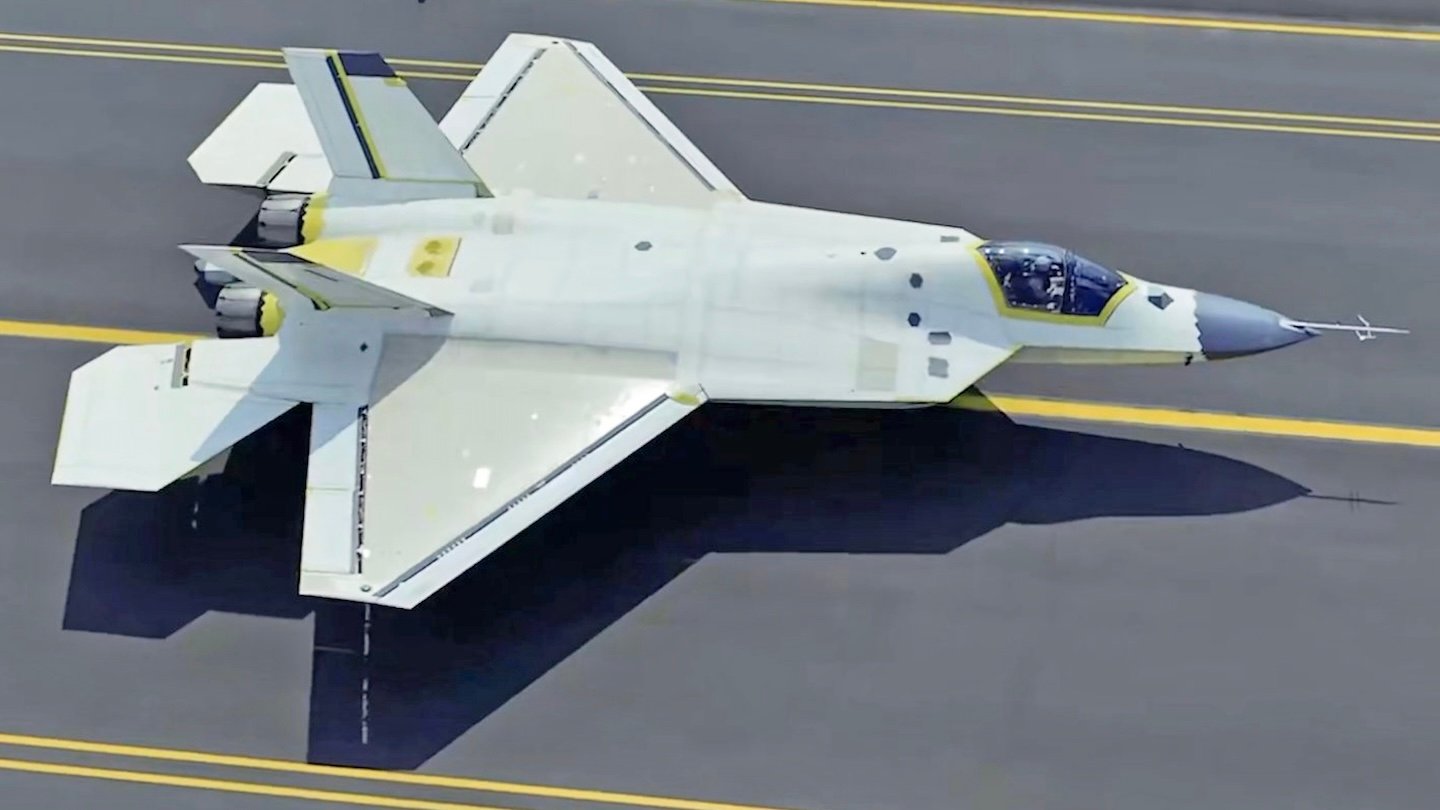
The potential F-35 sale has broad geopolitical implications. For Israel, maintaining its qualitative military edge in the region is a paramount concern, which they believe would be jeopardized by Turkey's acquisition of these advanced jets. For Turkey, regaining access to the F-35 program is a significant defense priority and a point of national pride, especially as it seeks to strengthen its own defense industry and potentially provide engines for its indigenous KAAN fighter aircraft.
Beyond the immediate U.S.-Israel-Turkey dynamic, this issue also carries weight for countries like India. Experts in India have warned that a potential F-35 sale to Turkey could significantly alter the strategic balance in West Asia. Furthermore, Turkey's growing strategic military profile, including its expanding defense cooperation and supply of naval and autonomous platforms to Pakistan and Bangladesh, raises concerns for India, particularly regarding a potential impact on South Asian stability. India itself has recently declined an offer from the U.S. to purchase F-35 fighters, emphasizing a preference for joint design and domestic manufacturing of defense systems.
News outlets such as The Times of India, The Times of Israel, Hürriyet Daily News, and Anadolu Ajansı have corroborated the details of Trump's statements and Netanyahu's objections, indicating that this is a current and significant international news story. While the direct F-35 discussion between the two leaders did not occur during their White House meeting, Trump's prior remarks underscore a potential shift in U.S. policy that could reshape regional defense landscapes and alliance dynamics.
Frequently Asked Questions
Why was Turkey initially removed from the F-35 program?
Turkey was removed from the F-35 Joint Strike Fighter program in July 2019 after it acquired the Russian-made S-400 air defense missile system. The U.S. argued that the S-400 posed a security risk to the F-35's advanced technology and could compromise NATO defense systems.
What was Benjamin Netanyahu's primary objection to the potential F-35 sale to Turkey?
Benjamin Netanyahu publicly objected to the potential F-35 sale, warning that providing America's most advanced fighter jets to Turkey would undermine Israel's qualitative military edge and shift the balance of power in the Middle East.
When did Donald Trump make the 'Nobody tells me what to sell' statement?
Donald Trump made the statement 'Nobody tells me what we should be selling' on Monday, July 27, 2026, while speaking to reporters aboard Air Force One, prior to his meeting with Israeli Prime Minister Benjamin Netanyahu.
How does a potential F-35 sale to Turkey impact India?
A potential F-35 sale to Turkey could significantly alter the strategic balance in West Asia. For India, it raises concerns due to Turkey's growing defense cooperation and strategic engagement with Pakistan, including the supply of military hardware to Pakistan.
Was the F-35 sale to Turkey discussed during the Trump-Netanyahu meeting?
According to an Israeli official, the potential U.S. sale of F-35 fighter jets to Turkey was reportedly not discussed during the private meeting between U.S. President Donald Trump and Israeli Prime Minister Benjamin Netanyahu on July 28, 2026, which primarily focused on Iran.