Alaska Fossils Mistaken for Mammoths for 70 Years Were Whales | Quick Digest
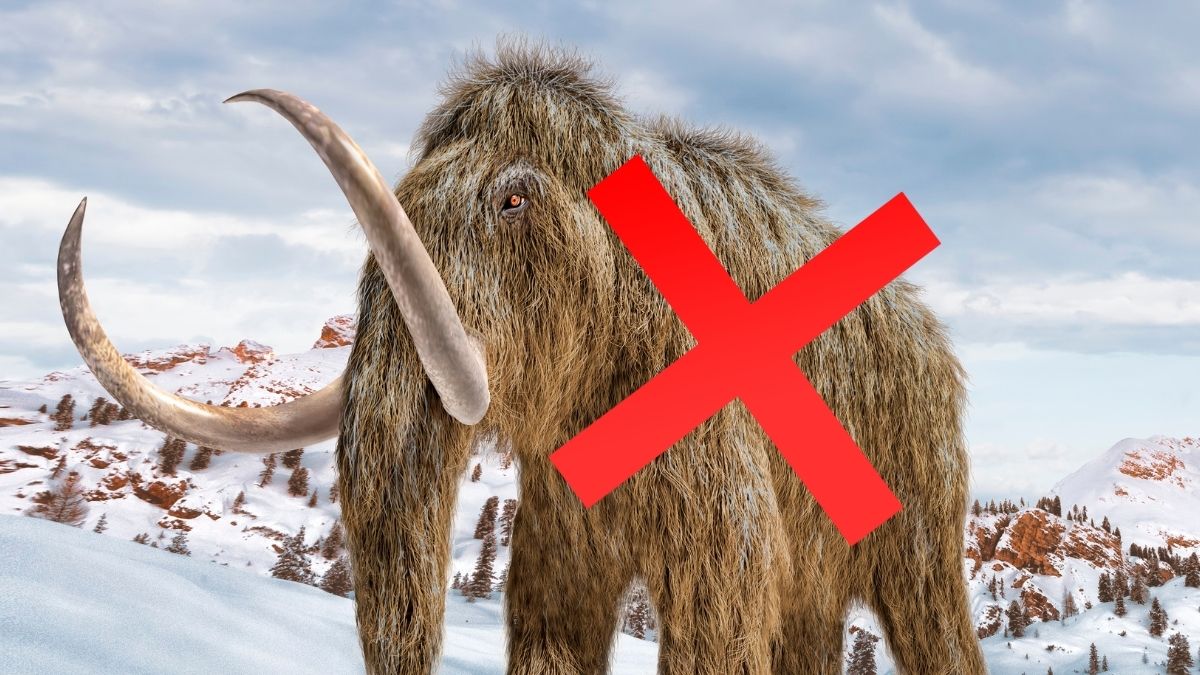
Fossils held at the University of Alaska Museum of the North for 70 years, long thought to be woolly mammoth bones, have been identified as belonging to two species of whales. The discovery, made through radiocarbon dating and DNA analysis, has surprised scientists and challenges previous understanding of Alaskan paleontology.
Alaska fossils, believed mammoth bones for 70 years, are actually whale bones.
Bones collected in early 1950s, housed at University of Alaska Museum.
Radiocarbon dating revealed bones were only 1,900-2,700 years old.
DNA analysis confirmed they belong to North Pacific right and minke whales.
Discovery raises questions on how whale bones reached interior Alaska.
Highlights importance of re-examining historical museum collections.
Fossils housed at the University of Alaska Museum of the North for approximately 70 years, originally identified as woolly mammoth backbones, have been conclusively re-identified as belonging to two different whale species. The bones, discovered by naturalist Otto Geist in the early 1950s near Fairbanks, Alaska, were presumed to be from ancient mammoths that roamed the interior of the state.
The surprising revelation emerged when researchers, as part of the "Adopt-a-Mammoth" program, undertook systematic radiocarbon dating of mammoth fossils in the museum's collection starting in 2022. Initial dating of these specific specimens indicated they were remarkably young, between 1,900 and 2,700 years old – thousands of years younger than the established extinction timeline for mammoths in mainland Alaska, which is around 13,000 years ago.
This significant discrepancy prompted further investigation, including isotopic analysis and crucial DNA testing. The advanced scientific analyses definitively revealed that the bones were not from mammoths but rather from a North Pacific right whale and a minke whale. This finding, published in the Journal of Quaternary Science on December 8, 2025, has reshaped understanding within the scientific community.
A key mystery now is how these whale bones ended up hundreds of kilometers inland, far from any ocean. Scientists are exploring several theories, including the possibility that ancient hunter-gatherers transported the bones inland, perhaps for tool-making or symbolic purposes, or a simpler explanation of a past cataloging error by Geist, who collected fossils from both coastal and inland sites. The incident underscores the critical value of revisiting and re-analyzing historical museum collections with modern scientific techniques.
Read the full story on Quick Digest