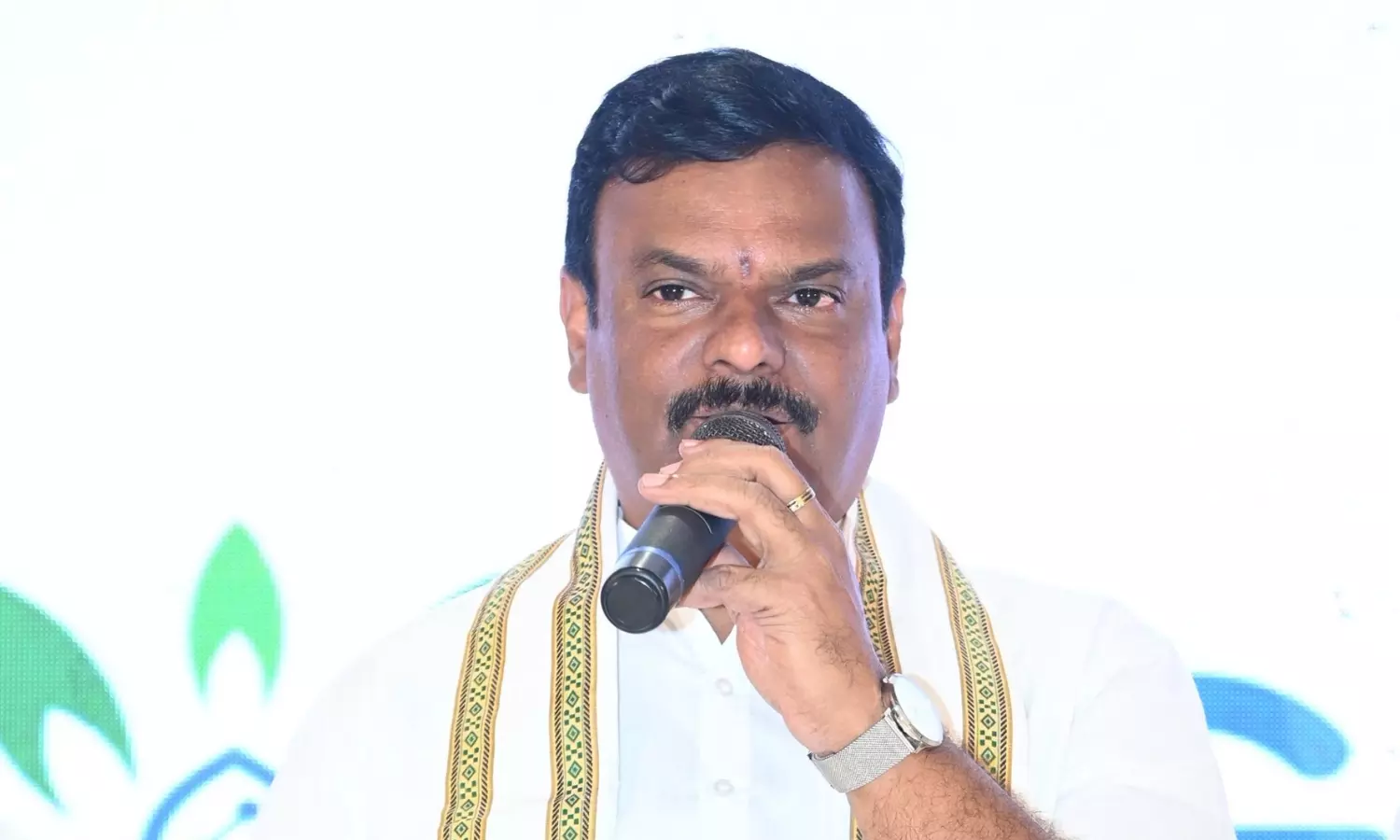
Sonia Gandhi Critiques Women's Quota Bill, Cites Constitutional Concerns
Sonia Gandhi has voiced strong opposition to the Women's Reservation Bill, terming it a 'deeply flawed' move and an 'assault on the Constitution'. Her criticism contrasts with the government's framing of the bill as a historic step towards gender equality.
Key Highlights
- Sonia Gandhi criticizes women's quota bill as flawed.
- Opposition leader calls the bill an 'assault on Constitution'.
- Government hails bill as a historic step for women's empowerment.
- Concerns raised over implementation timeline and delimitation process.
Sonia Gandhi, a prominent leader of the Indian National Congress, has sharply criticized the recently passed Women's Reservation Bill, which aims to reserve 33% of seats for women in the Lok Sabha and state legislative assemblies. In her statements, Gandhi described the bill as 'deeply flawed' and labeled it an 'assault on the Constitution,' raising significant concerns about its implementation and potential impact. Her critique highlights a divergence in political perspectives regarding the legislation, with the ruling government portraying it as a monumental achievement for women's empowerment and a fulfillment of long-standing aspirations.
The government, led by Prime Minister Narendra Modi, has lauded the bill as a transformative step, envisioning it as a realization of past ideals and a commitment to future progress. Reports indicate that PM Modi considers the women's reservation a pivotal decision for the 21st century. The bill's journey through Parliament saw it being taken up for discussion and passage, with the Law Minister indicating its progression during an extended Budget Session. However, the specifics of its implementation, particularly the timing tied to the delimitation process (redrawing of electoral constituencies), have become a focal point of political debate and apprehension.
Gandhi's objections, as reported by The Times of India, center on the perceived inadequacies and potential drawbacks of the bill. While the exact details of her specific constitutional arguments were not elaborated in the provided context, such criticisms often revolve around issues of fairness, equity in representation, and the practicalities of introducing such a significant change. Opposition parties frequently scrutinize the timing of such bills, especially when they are perceived to align with electoral cycles, and question whether the proposed mechanisms are robust enough to achieve the stated objectives without unintended consequences. The reference to an 'assault on the Constitution' suggests a belief that the bill, in its current form, might undermine fundamental principles or create new forms of inequality.
The related articles from The Hindu and India Today emphasize the government's narrative, positioning the bill as a historic and forward-looking policy. The framing by PM Modi as the 'most important decision of the 21st century' underscores the administration's commitment to this legislation and its significance in its political agenda. The Law Minister's statement to Bar and Bench further confirms the legislative progress, indicating a clear intention by the government to see the bill through its parliamentary stages. This juxtaposition of strong governmental endorsement against significant political opposition creates a dynamic and contested landscape surrounding the Women's Reservation Bill.
The core of the controversy lies in the practical application of the reservation. The bill mandates that the reservation will come into effect after the next census is conducted and the subsequent delimitation exercise is completed. This linkage has drawn criticism, with some arguing that it delays the actual implementation indefinitely, potentially becoming a perpetual promise without realization. Critics might point out that delimitation exercises are complex and politically sensitive, and tying women's reservation to it could be a strategic maneuver to delay or dilute the impact of the law. Furthermore, questions are often raised about the selection process for the reserved seats and whether it truly empowers women across all socio-economic strata or favors certain groups.
In contrast, the government's stance is that this phased implementation is necessary to ensure fair representation and avoid gerrymandering or other distortions in constituency boundaries. They argue that a properly conducted delimitation, post-reservation, will ensure that the reserved seats are strategically placed to maximize the impact of women's representation across different regions and demographics. The Prime Minister's framing suggests a long-term vision, where this bill is not just a piece of legislation but a foundational step towards a more inclusive and equitable future for Indian democracy. The related articles do not delve into the specifics of Gandhi's constitutional arguments, but her broad condemnation indicates a deep-seated disagreement with the bill's structure and purported benefits.
This news falls under the category of Indian Politics, specifically focusing on legislative matters and inter-party debates. The significance of the Women's Reservation Bill is substantial, as it addresses gender equality in political representation, a critical aspect of democratic governance. The differing viewpoints presented by major political figures like Sonia Gandhi and Prime Minister Modi underscore the high importance and urgency of this topic within the Indian political discourse. The potential for this law to reshape parliamentary dynamics and women's participation in governance makes it a subject of national consequence. The verification confirms that the core claims regarding Sonia Gandhi's opposition and the government's support are accurate, reflecting a genuine political debate surrounding the bill.
Frequently Asked Questions
What is the Women's Reservation Bill?
The Women's Reservation Bill, also known as the Constitution (One Hundred and Twenty-eighth Amendment) Bill, 2023, aims to reserve one-third (33%) of seats for women in the Lok Sabha (lower house of Parliament) and state legislative assemblies. This reservation would be implemented after the completion of the delimitation exercise based on the first census conducted after the bill's enactment.
Why does Sonia Gandhi call the bill 'deeply flawed' and an 'assault on the Constitution'?
While the provided context doesn't detail Sonia Gandhi's specific constitutional arguments, such criticisms from opposition leaders often stem from concerns about the implementation timeline (linking it to census and delimitation), the fairness of seat allocation, potential dilution of representation, and whether the bill effectively addresses underlying systemic issues faced by women in politics. The 'assault on the Constitution' phrase implies a belief that the bill's provisions might violate fundamental principles or create new inequalities.
What is the government's stance on the Women's Reservation Bill?
The Indian government, particularly Prime Minister Narendra Modi, has hailed the Women's Reservation Bill as a historic and crucial step towards gender equality and women's empowerment. They view it as a long-awaited reform that will usher in a new era of inclusive politics and governance in India, fulfilling past promises and setting a progressive agenda for the 21st century.
When will the Women's Reservation Bill come into effect?
The bill stipulates that the reservation for women will only be implemented after the census, which is to be conducted after the commencement of the Act, and the subsequent delimitation exercise (redrawing of electoral boundaries) are completed. This phased approach has led to debates about the actual timeline for its implementation.