Nvidia RTX 5000 Super Series Delay: AI Demand, VRAM Costs, and AMD's 2026 Consumer GPU Strategy | Quick Digest
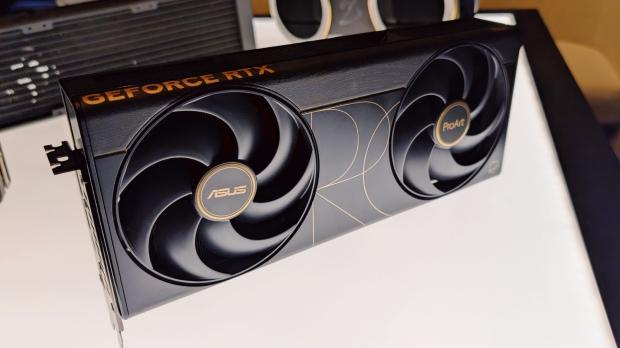
Nvidia's RTX 5000 Super series faces potential indefinite delay, or at least until Q3 2026, driven by surging AI GPU demand, rising VRAM costs, and a perceived lack of competitive 2026 consumer GPU offerings from AMD.
RTX 5000 Super series delay is widely reported by multiple tech outlets.
AI GPU demand is a primary factor, diverting manufacturing capacity for higher profits.
Industry-wide VRAM shortages and rising costs significantly impact the delay.
AMD's 2026 roadmap lacks direct high-end consumer GPU competition for Nvidia.
Some reports suggest a delay to Q3 2026 rather than an indefinite cancellation.
Nvidia prioritizing AI segment impacts consumer GPU release schedules.
The TechSpot article reports that Nvidia may indefinitely delay its RTX 5000 Super series, citing AMD's lack of competitive consumer GPU offerings in 2026 as a significant factor. This claim is largely corroborated by various tech news outlets, although the term "indefinitely" might be an exaggeration, with some sources indicating a more specific postponement until Q3 2026.
Beyond AMD's perceived lack of 2026 competition in the discrete consumer GPU market – where AMD's RDNA 5 cards are not expected until late 2027, and their 2026 focus includes enterprise AI accelerators and mobile APU refreshes – several other critical factors are contributing to Nvidia's potential delay. Foremost among these is the surging global demand for AI GPUs. Nvidia is reportedly reserving a substantial portion of its production capacity for these highly profitable AI-focused chips, which offer significantly higher profit margins than consumer graphics cards.
Additionally, the industry is grappling with a widespread memory crisis, resulting in shortages and escalating prices for VRAM, particularly the 3GB GDDR7 modules anticipated to be used in the RTX 5000 Super series. This shortage makes it more challenging and costly for Nvidia to produce the refresh cards. Nvidia's prioritization of its AI segment, as demonstrated by early launches of products like the Vera Rubin server systems, further underscores the shift in the company's focus.
Overall, the news reflects a complex interplay of market dynamics, supply chain constraints, and strategic business decisions, where Nvidia's lucrative AI ventures are currently overshadowing its traditional consumer GPU segment.
Read the full story on Quick Digest