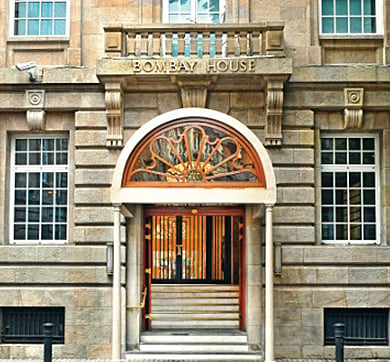
Tata Trusts Meeting Postponed to May 16 Amid Legal and Governance Tensions
Crucial board meetings of two principal Tata Trusts, originally scheduled for May 8, have been postponed to May 16. The deferral comes amidst significant legal challenges concerning trustee appointments and ongoing internal deliberations regarding Tata Sons' governance and potential listing.
Key Highlights
- Tata Trusts board meetings postponed to May 16.
- Initial meetings were scheduled for May 8, following an earlier change from May 12.
- Legal challenges cite Maharashtra Public Trusts Act violations regarding perpetual trustees.
- Internal discussions focus on Tata Sons' governance and listing status.
- Bombay High Court refused urgent stay on the May 8 meeting.
- Debate over nominee directors and alignment of views within the Trusts.
The crucial board meetings of two prominent Tata Trusts – the Sir Dorabji Tata Trust (SDTT) and the Sir Ratan Tata Trust (SRTT) – have been postponed to May 16, 2026. This marks the second rescheduling, as the meetings were initially planned for May 12, then advanced to May 8, only to be deferred again. The trusts collectively hold a majority stake in Tata Sons, the holding company of the vast Tata Group, making these discussions pivotal for India's corporate landscape.
The primary reasons for the postponement are significant legal challenges and widening internal differences concerning governance frameworks and board member representation within Tata Sons. A key legal hurdle emerged when the Bombay High Court on Thursday refused an urgent hearing on a petition seeking an injunction against the May 8 board meeting of the Sir Ratan Tata Trust. The petitioner, Suresh Patilkhede, alleged that the Sir Ratan Tata Trust's board composition violates a 2025 amendment to the Maharashtra Public Trusts Act.
The 2025 amendment, specifically Section 30A(2), dictates that where a trust deed does not explicitly allow for perpetual trustees, their number cannot exceed one-fourth (25%) of the total board members. The petition contends that the Sir Ratan Tata Trust, with a total of six trustees, currently has three members – Noel Tata, Jimmy Tata, and Jehangir Jehangir – holding perpetual or lifetime trustee status. This constitutes 50% perpetual representation, which is double the permissible cap under the amended law, according to the complaint. The complaint, filed by New Delhi-based law firm SV & Co, sought urgent regulatory intervention from the Maharashtra Charity Commissioner to address this alleged non-compliance and ensure the reduction of perpetual trustees to within the prescribed limit, potentially leading to the removal of excess lifetime trustees or fresh appointments.
Beyond the legal issues, the internal deliberations slated for the postponed meetings are equally significant. The agenda included a thorough review of the Trusts' representation on the Tata Sons board, including a reassessment of some nominee directors. Sources indicate that there have been differing views among trustees regarding crucial strategic decisions, particularly the long-standing debate over whether Tata Sons should remain a privately held entity or consider a public listing. Remarks by two vice-chairmen of the Trusts, Vijay Singh and Venu Srinivasan, which were perceived as advocating for the listing of Tata Sons, are understood to have prompted a broader internal review of alignment between the Trusts' dominant position and that of its nominees on the listing question.
The majority within the Tata Trusts reportedly continues to favor retaining Tata Sons as an unlisted entity, a position supported by chairman Noel Tata, despite some dissenting opinions. The question of board representation is paramount, with the Tata Sons articles necessitating the agreement of both the Sir Dorabji Tata Trust and the Sir Ratan Tata Trust for appointing nominee directors. Any potential changes to the nominee directors on the Tata Sons board are being closely watched, with reports suggesting that former Titan Company managing director Bhaskar Bhat is being considered as a possible replacement for Venu Srinivasan. Vijay Singh, another vice-chairman, was notably not reappointed to the Tata Sons board last year.
The postponement and the underlying issues underscore the complex governance dynamics within the Tata Group, particularly the relationship between its philanthropic trusts and its main holding company. The resolution of these legal and internal governance matters is crucial for the future trajectory and strategic direction of India's largest corporate powerhouse.
Frequently Asked Questions
Why was the Tata Trusts board meeting postponed to May 16?
The meeting was postponed due to ongoing legal challenges, specifically a petition filed in the Bombay High Court challenging the composition of the Sir Ratan Tata Trust board, and internal deliberations over crucial governance issues concerning Tata Sons, including board representation and its potential listing.
What are the legal challenges facing Tata Trusts?
A petition alleges that the Sir Ratan Tata Trust violates the 2025 amendment to the Maharashtra Public Trusts Act. This amendment caps 'perpetual' or 'life' trustees at 25% of the total board, while the SRTT reportedly has three such trustees out of six, exceeding the legal limit.
What is the significance of Tata Trusts' control over Tata Sons?
The Sir Dorabji Tata Trust and Sir Ratan Tata Trust together hold a majority stake in Tata Sons, the holding company of the Tata Group. This means their decisions on governance, board appointments, and strategic direction have a profound impact on one of India's largest and most influential conglomerates.
What are the internal governance issues being discussed?
Internal discussions revolve around the representation of the Trusts on the Tata Sons board, the reassessment of nominee directors, and the long-standing debate over whether Tata Sons should be publicly listed or remain unlisted. There are reported differences of opinion on the listing issue within the Trusts' leadership.
Who are the key individuals mentioned in the context of these disputes?
Key individuals include Noel Tata, Jimmy Tata, and Jehangir Jehangir (named in the perpetual trustee complaint), as well as Vijay Singh and Venu Srinivasan (whose remarks on Tata Sons' listing have prompted internal review). Bhaskar Bhat is also mentioned as a potential replacement for Venu Srinivasan on the Tata Sons board.