Nalanda Temple Stampede: Nine Dead, Crowd Management Failures Exposed
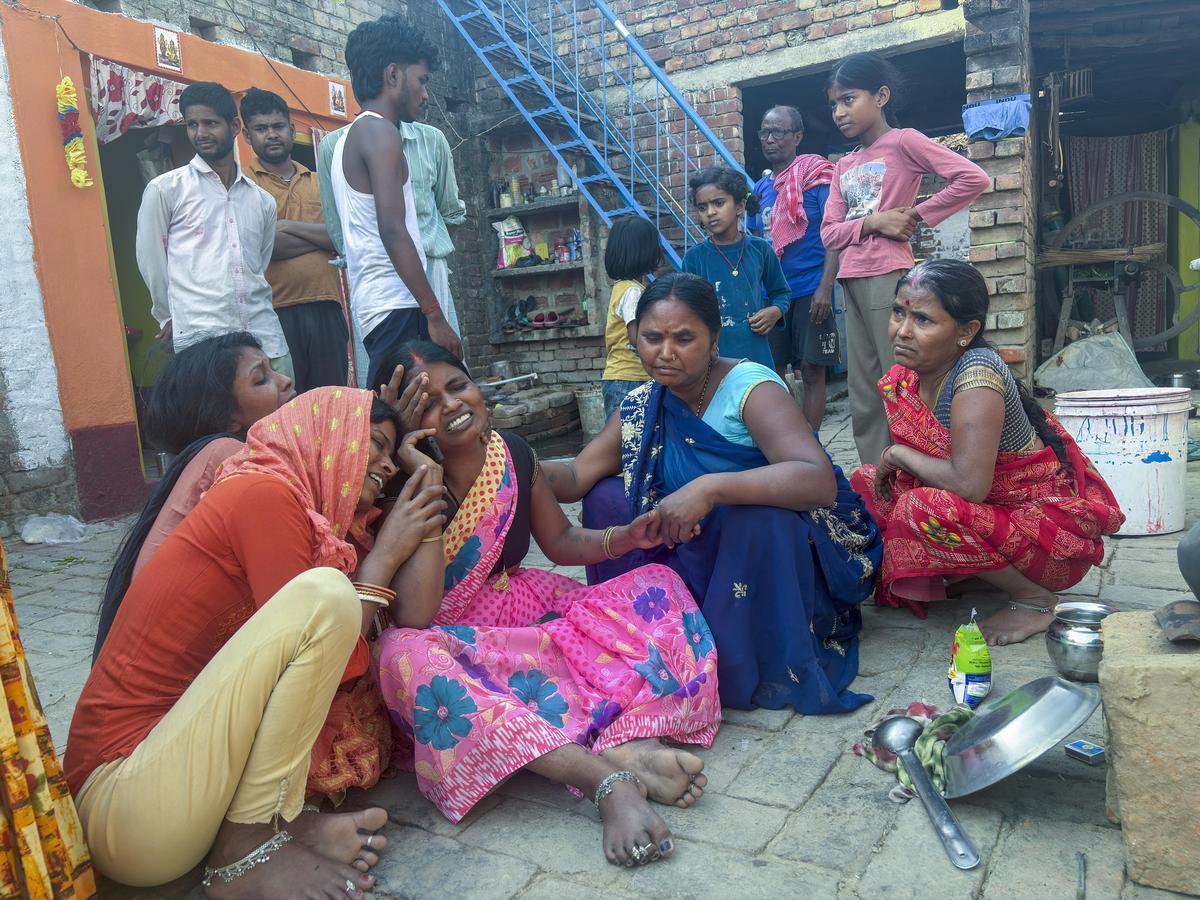
Nine devotees, mostly women, died in a stampede at Sheetla Mata Temple in Nalanda, Bihar, on March 31, 2026, due to severe overcrowding and inadequate crowd control. The tragedy, which also injured several, occurred amidst allegations of police deployment for a VVIP visit and temple mismanagement, prompting a high-level probe and temple registration.
Key Highlights
- Nine devotees, primarily women, died in the Nalanda temple stampede.
- Overcrowding and poor crowd management caused the tragic incident.
- Lack of adequate security due to a VVIP visit was alleged.
- Bihar government ordered a probe and announced ex-gratia for victims.
- Sheetla Mata Temple was subsequently registered with BSBRT.
- The incident highlights recurring crowd safety issues at Indian shrines.
A tragic stampede at the Sheetla Mata Temple in Maghra village, Nalanda district, Bihar, on Tuesday, March 31, 2026, resulted in the deaths of at least nine devotees, predominantly women, and left several others injured. The devastating incident unfolded during a massive rush of pilgrims who had gathered for special prayers on what was observed as the last Tuesday of the Chaitra month, an occasion traditionally drawing heavy crowds to the temple.
The primary cause of the stampede was attributed to severe overcrowding within the temple premises, which typically accommodates a much smaller number of people (estimated 500-1000, while over 10,000 thronged on the day). Eyewitnesses and officials pointed to a significant lack of adequate crowd management and insufficient security arrangements as critical factors. Reports indicated that barricades, which were meant to regulate the flow of devotees, gave way under immense pressure from the surging crowd. Some local residents and devotees also alleged that the situation was exacerbated by temple priests reportedly allowing devotees to enter through exit gates after collecting money, contributing to the chaotic conditions.
Further compounding the issue was the concurrent visit of President Droupadi Murmu to Rajgir, also in Nalanda district, for a convocation ceremony. Locals and political leaders, including Rashtriya Janata Dal leader Tejashwi Yadav, raised concerns that most of the district's police force had been diverted for the President's security detail, leaving the Sheetla Mata Temple severely understaffed for crowd control. This alleged diversion of personnel significantly hampered efforts to manage the thousands of devotees who had congregated for worship.
In the immediate aftermath, rescue operations commenced to assist the injured, who were rushed to local hospitals. The Bihar government swiftly announced an ex-gratia payment of ₹6 lakh to the families of the deceased. Prime Minister Narendra Modi also extended his condolences and announced an additional ex-gratia of ₹2 lakh from the Prime Minister's Relief Fund for the families of the deceased, along with ₹50,000 for the injured.
The incident triggered a strong official response. The Bihar government ordered a high-level probe into the tragedy, and a Special Investigation Team (SIT) was formed by the district administration to ascertain the exact causes. The Station House Officer (SHO) of the Deep Nagar police station was suspended over alleged negligence in duty. Significantly, the Bihar State Board of Religious Trusts (BSBRT) intervened, registering the Sheetla Mata Mandir under the Bihar Hindu Dharmik Nyas Act, 1950, and appointing the Biharsharif SDO as its temporary trustee. This move underscored a broader, long-standing issue of many religious institutions in Bihar operating without proper registration, which often leads to a lack of oversight in management, safety, and financial accountability.
The Nalanda stampede serves as a grim reminder of recurring crowd management challenges at religious gatherings in India. Previous incidents, such as the 2025 Kumbh Mela stampede in January (30 deaths) and an IPL victory celebration in Bengaluru in June 2025 (dozen lives lost), highlight a persistent pattern of inadequate planning, coordination issues, and failure to accurately estimate crowd sizes. Experts and reports emphasize the need for robust crowd science and management principles, including better police training, structural integrity of barriers, and prompt response mechanisms to prevent such avoidable disasters. The tragedy in Nalanda tragically illustrates how 'faith' can indeed turn 'fatal' when compounded by systemic failures in public safety and governance.
Frequently Asked Questions
What caused the Nalanda temple stampede?
The stampede at Sheetla Mata Temple in Nalanda was primarily caused by severe overcrowding, inadequate crowd management, and insufficient security arrangements during a large religious gathering on the last Tuesday of the Chaitra month. Allegations also pointed to the diversion of police forces for a VVIP visit and temple priests allowing illegal entries for money.
How many people died in the Nalanda stampede?
At least nine devotees, mostly women, tragically lost their lives in the stampede at the Sheetla Mata Temple in Nalanda, Bihar. Several others sustained injuries.
What actions did the government take after the Nalanda temple tragedy?
The Bihar government announced an ex-gratia of ₹6 lakh for the deceased's families, while Prime Minister Modi announced an additional ₹2 lakh. A high-level probe, including a Special Investigation Team (SIT), was ordered, the local SHO was suspended, and the temple was officially registered with the Bihar State Board of Religious Trusts (BSBRT).
Why is crowd management a recurring issue at religious sites in India?
Crowd management remains a persistent challenge at religious sites in India due to factors like massive crowd sizes, inadequate infrastructure, poor planning, lack of coordination, and sometimes, a disregard for safety regulations. Incidents are often exacerbated by rumors or sudden surges in devotee numbers, as highlighted by multiple past stampedes across the country.