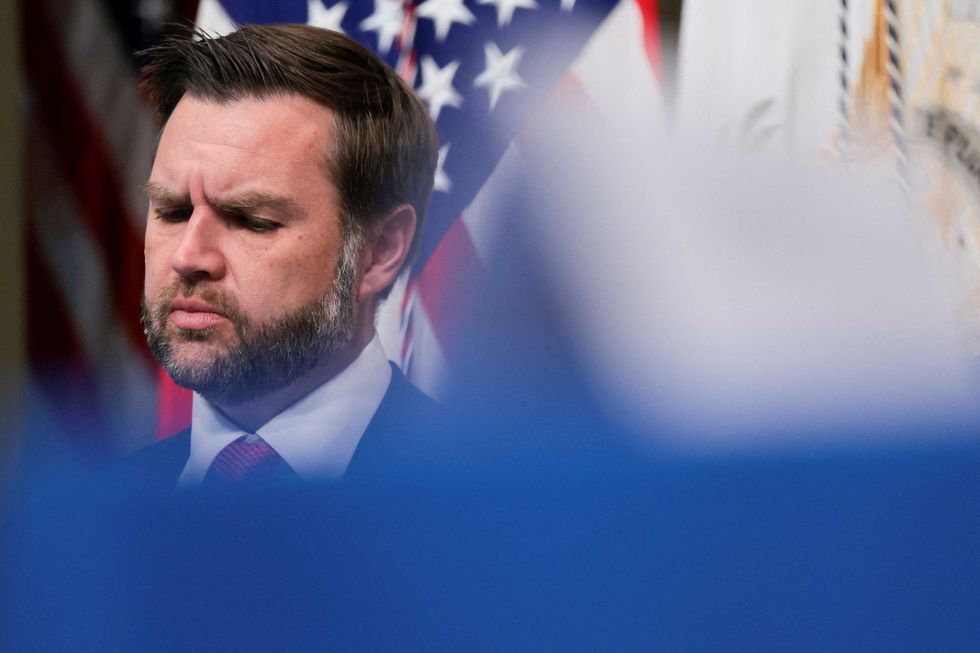
US-Iran Deal: Vance Denies Immediate Release of Frozen Assets
US Vice President JD Vance has denied claims that Iran will immediately receive billions of dollars in frozen assets following a reported deal signed on June 19. He emphasized that any benefits for Iran are contingent on fulfilling its obligations, particularly regarding its nuclear program and inspections.
Key Highlights
- Vance denies immediate release of billions in frozen Iranian assets.
- Iran's benefits from any deal are conditional on fulfilling obligations.
- The US emphasizes a 'performance-based' agreement with Iran.
- Details of the US-Iran agreement remain largely undisclosed.
- Vance claims the US holds all leverage in negotiations with Iran.
The article discusses claims and counterclaims surrounding a reported US-Iran deal, slated for signing on June 19, with a particular focus on the potential release of Iran's frozen assets. US Vice President JD Vance has strongly refuted assertions that Iran will receive immediate access to billions of dollars in frozen funds. He stated in multiple interviews that the narrative of Iran receiving "billions of dollars of assets" is inaccurate and that any benefits for Tehran are strictly contingent upon its fulfillment of obligations.
Vance has consistently emphasized that the agreement is "performance-based". He stressed that Iran will not receive "a dime of money" unless it adheres to its commitments, particularly concerning its nuclear program, including allowing international inspections and potentially giving up its nuclear program and enriched uranium. Vance asserted that the US "has all the cards" in these negotiations and that the terms of any agreement prioritize American concerns. He also indicated that the Trump administration intends to release the full text of the agreement to the American public.
However, there has been conflicting information regarding the financial aspects of the deal. While Vance denies that Iran will receive "billions of dollars of assets" or "any cash" simply for signing the deal, some reports, including those attributed to Iran's Revolutionary Guard and leaked information, suggest that Iran could receive approximately $24 billion in frozen funds during a 60-day negotiation and implementation period, with half of that amount potentially made available before final talks begin. Vance has dismissed these figures, stating they do not appear in any discussed texts. He also clarified that if any Iranian assets are unfrozen, the process would require US and Qatari approval, and the funds would be used for purchasing American agricultural products like soy, corn, and wheat for the benefit of the Iranian people, characterizing it as a "classic Trump deal".
Iran's frozen assets are estimated to be over $100 billion, held in various countries due to sanctions imposed since 1979 and expanded over time due to Iran's nuclear and missile programs. Access to these funds has been a key demand for Tehran in negotiations. Previous instances of asset release, such as a $6 billion transfer from South Korea to Qatar in 2023 as part of a prisoner exchange, were later refrozen by the US. The current negotiations appear to be linked to ending regional conflicts, including the war in Lebanon, and reopening the Strait of Hormuz.
The Joint Comprehensive Plan of Action (JCPOA), or Iran nuclear deal, signed in 2015, aimed to limit Iran's nuclear program in exchange for sanctions relief. However, the US unilaterally withdrew from the deal in 2018 under President Trump, reimposing sanctions and freezing assets again. Recent reports suggest that Iran has been accelerating its nuclear activities since the US withdrawal. The election of reformist President Masoud Pezeshkian in Iran in July 2024 has raised hopes for future talks on the nuclear program.
The news article itself, published by Hindustan Times on June 15, 2026, reflects the ongoing confusion and conflicting narratives surrounding the US-Iran negotiations. While Vance denies immediate asset release and emphasizes conditions, other reports suggest significant financial concessions. The broader context involves a complex history of US-Iran relations, sanctions, and nuclear program disputes.
Frequently Asked Questions
What is the status of Iran's frozen assets?
Iran has over $100 billion in frozen assets held in various countries due to sanctions imposed over decades. Access to these funds has been a key demand in negotiations with the US.
What did JD Vance say about Iran's frozen assets?
US Vice President JD Vance has denied claims that Iran will receive immediate access to billions of dollars in frozen assets. He stated that any benefits are conditional on Iran fulfilling its obligations, particularly regarding its nuclear program.
What is the US-Iran deal reportedly about?
A reported US-Iran deal, slated for signing around June 19, 2026, aims to end regional conflicts, including the war in Lebanon, and potentially reopen the Strait of Hormuz. It also involves discussions about Iran's nuclear program and frozen assets, though details are disputed.
What was the Joint Comprehensive Plan of Action (JCPOA)?
The JCPOA, or Iran nuclear deal, was an agreement signed in 2015 where Iran agreed to limit its nuclear program in exchange for sanctions relief. The US withdrew from the deal in 2018, reimposing sanctions.