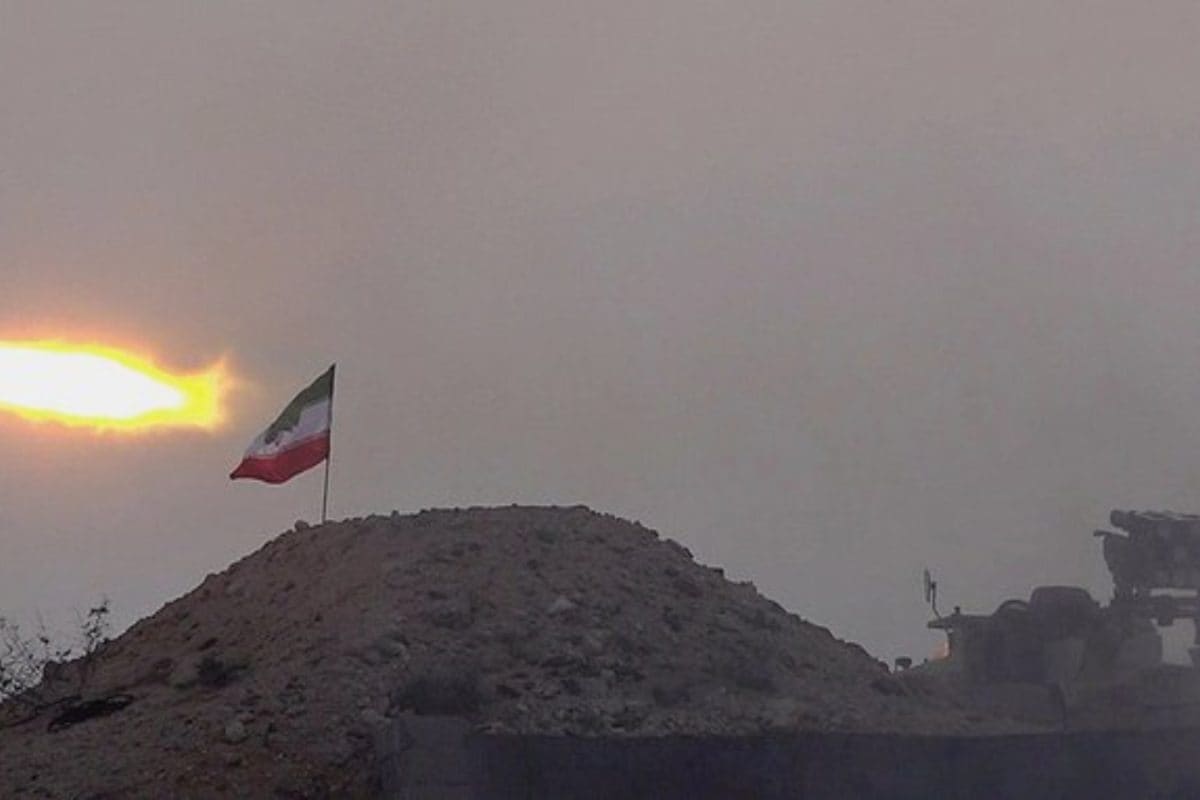
Iran closes Strait of Hormuz during US nuclear talks
Iran has partially closed the Strait of Hormuz for military drills coinciding with ongoing nuclear negotiations with the US in Geneva. The drills and temporary closure of this vital global oil transit route have heightened regional tensions as both nations engage in high-stakes diplomacy.
Key Highlights
- Iran conducts military drills in Strait of Hormuz.
- US and Iran resume nuclear talks in Geneva.
- Strait of Hormuz is a crucial global oil route.
- India's energy security is vulnerable to Hormuz disruptions.
- Tensions rise as diplomacy and military exercises coincide.
Iran has partially closed the strategic Strait of Hormuz for military drills while nuclear talks with the United States resume in Geneva. This simultaneous occurrence of diplomatic negotiations and military exercises in one of the world's most vital oil transit routes has significantly heightened regional tensions. The Strait of Hormuz, a narrow 24-mile-wide passage between the Persian Gulf and the Gulf of Oman, is critical for global energy security, with approximately 20% of global liquid natural gas and 25% of seaborne oil trade passing through it annually.
The latest round of indirect nuclear talks between the US and Iran began in Geneva on Tuesday, February 17, 2026. These discussions, mediated by Oman, aim to address Iran's nuclear program and sanctions relief. Both sides have expressed cautious optimism, with US President Donald Trump indicating his indirect involvement and Iran stating it brings "real ideas to achieve a fair and equitable deal." However, underlying mistrust persists, exacerbated by the recent US and Israeli strikes on Iranian nuclear facilities in June 2025, which led to a 12-day war and a temporary halt in previous negotiations.
Coinciding with these diplomatic efforts, Iran's elite Revolutionary Guards commenced large-scale maritime exercises in the Strait of Hormuz. Iranian state media reported that missiles were fired, and parts of the strait were temporarily closed for several hours due to "safety and maritime concerns." This strategic move by Iran serves to underscore its military readiness and potentially its leverage in the negotiations. Tehran has a history of threatening to close the strait in retaliation for attacks, a move that would have catastrophic consequences for global oil markets and prices.
The geopolitical implications of any disruption in the Strait of Hormuz are significant, particularly for India. Approximately 45-50% of India's crude oil imports and 54% of its LNG imports transit through this waterway. A closure would lead to a sharp increase in energy prices, inflationary pressures, and potential supply chain disruptions, significantly impacting India's economy. While India has diversified its energy sources, its reliance on West Asian imports routed through Hormuz remains a vulnerability.
Credibility of Sources:
Reuters: Rated as "Least Biased" and "Very High" for factual reporting by Media Bias/Fact Check, with Ad Fontes Media placing it in the "Middle" category for bias and "Reliable" for reliability. Its long-standing reputation and adherence to a strict editorial code contribute to its high credibility.
India Today: Rated as "Right-Center Biased" with "Mixed" factual reporting by Media Bias/Fact Check, citing editorial positions favoring the conservative government and several failed fact checks. Other sources suggest a pro-government bias. While it is a widely read news source in India, its factual reporting has been questioned.
Associated Press (AP News): Rated as "Left-Center Biased" with "High" factual reporting by Media Bias/Fact Check. Ad Fontes Media places it in the "Middle" for bias and "Reliable" for reliability. AP is generally considered a credible news source, known for its factual reporting and use of multiple credible sources, though some analyses suggest a slight left-leaning bias.
Headline Accuracy:
The headline "Iran partially shuts Strait of Hormuz as US, Iran hold nuclear talks - Reuters" appears accurate. Iran has indeed partially closed parts of the Strait of Hormuz for military drills, and these drills are coinciding with the resumption of nuclear talks between Iran and the US. The source is Reuters, as indicated.
News Category:
Politics, International Relations, Geopolitics, Energy Security.
Geographic Scope:
Global, with specific implications for Iran, the United States, and India.
Verification Findings:
The core claims of the Reuters article are corroborated by multiple news sources, including India Today, AP News, and others. The timing of the Iranian military drills and the partial closure of the Strait of Hormuz coinciding with the US-Iran nuclear talks in Geneva is consistently reported. The strategic importance of the Strait of Hormuz and its impact on global oil supply, as well as India's energy security, are also well-documented. The nuclear talks themselves, their mediated nature by Oman, and the involvement of key US officials are also consistent across reports. The information regarding the historical context of previous US-Iran nuclear talks, including the US and Israeli strikes in June 2025, aligns with the current situation. There is no significant misinformation or exaggeration identified in the core reporting of the event.
Frequently Asked Questions
Why is the Strait of Hormuz strategically important?
The Strait of Hormuz is a vital chokepoint for global energy trade, as approximately 20% of the world's liquid natural gas and 25% of its seaborne oil passes through it annually. It connects the Persian Gulf to the open ocean, making it a critical artery for oil exports from major Middle Eastern producers.
What is the current status of the US-Iran nuclear talks?
The US and Iran have resumed indirect nuclear negotiations in Geneva, mediated by Oman. These talks are aimed at addressing Iran's nuclear program and potential sanctions relief, but they face significant challenges due to persistent mistrust and past escalations.
What is the significance of Iran conducting military drills in the Strait of Hormuz?
Iran's decision to conduct military drills and partially close the Strait of Hormuz concurrently with the nuclear talks is seen as a way to underscore its military readiness and exert leverage. It also heightens regional tensions and serves as a reminder of the potential consequences of diplomatic failure or military action.
How could a closure of the Strait of Hormuz impact India?
India relies heavily on the Strait of Hormuz for its crude oil and LNG imports (around 45-50% of crude oil and 54% of LNG). A closure would significantly disrupt these supplies, leading to sharp increases in energy prices, inflationary pressures, and potential economic instability for India.