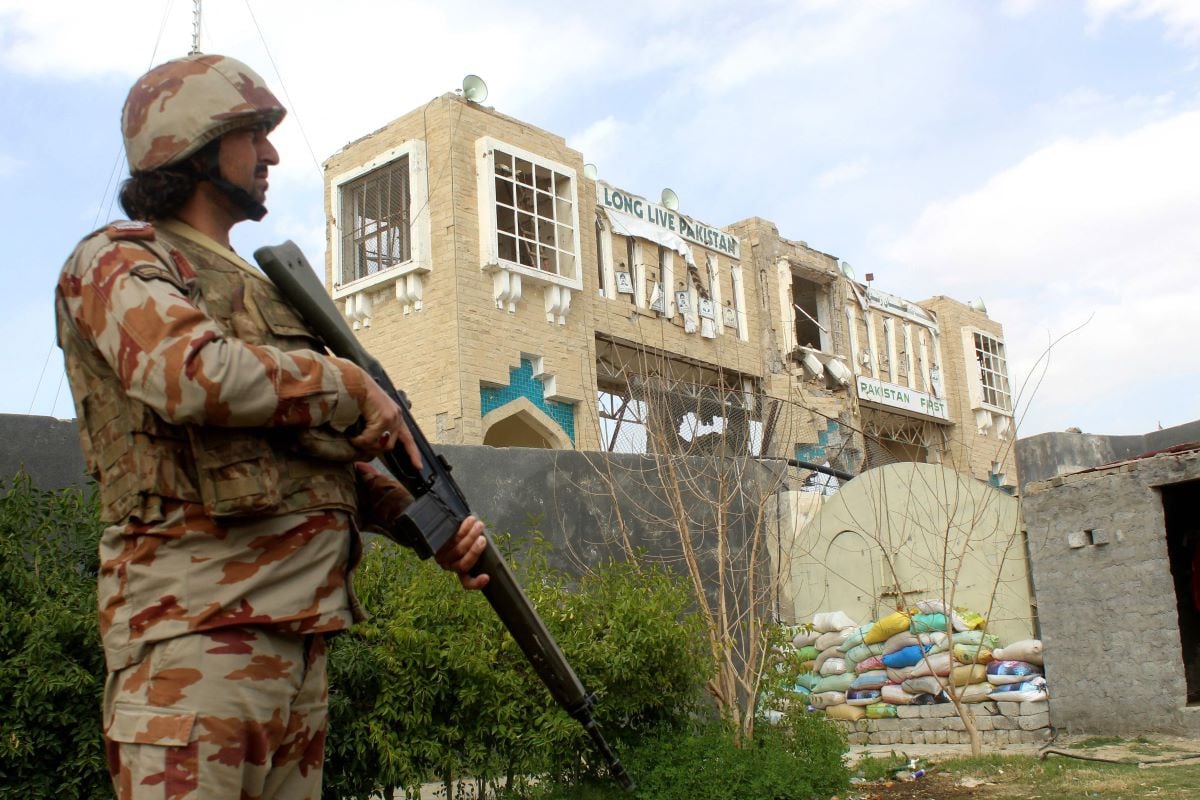
Pakistan-Afghanistan Border Erupts in Deadly Clashes, Mass Displacement
Heavy shelling and explosions have intensified along the Pakistan-Afghanistan border, leading to significant civilian displacement and humanitarian concerns. The conflict, spanning over a week, follows retaliatory airstrikes and accusations of harboring militants.
Key Highlights
- Border clashes between Pakistan and Taliban forces escalate significantly.
- Week-long fighting features heavy shelling, explosions, and airstrikes.
- Thousands of families displaced amid worsening humanitarian crisis.
- Pakistan accuses Taliban of harboring militants; Taliban denies claims.
- UN and WFP express grave concern over civilian casualties and aid disruption.
- Conflict exacerbates regional instability, impacts during Ramadan.
Tensions along the Pakistan-Afghanistan border have dramatically escalated into a week-long conflict marked by heavy shelling, explosions, and retaliatory airstrikes, causing widespread fear and displacement among civilian populations. The situation, widely reported by major news outlets including Reuters, Al Jazeera, and various UN agencies, indicates a significant deterioration in relations between Pakistan and the Taliban administration in Afghanistan.
The hostilities reportedly entered their seventh consecutive day on Wednesday, March 4, 2026, following a series of events that began with Pakistani airstrikes on alleged militant targets within Afghanistan around February 21, 2026. Islamabad asserted that these operations aimed to dismantle militant networks, particularly the Tehrik-i-Taliban Pakistan (TTP), which it accuses of using Afghan soil to launch attacks inside Pakistan. However, the Taliban government vehemently denies providing material support or safe haven to these groups and has condemned Pakistan's strikes as an unprovoked aggression and a violation of its sovereignty.
The Afghan Taliban launched what they termed 'retaliatory operations' on February 26, 2026, engaging Pakistani forces along the 2,600-kilometer (1,615-mile) shared border, leading to cross-border firing incidents and drone attacks. Pakistan's Defence Minister subsequently declared a state of "open war" with Afghanistan, further intensifying the conflict with escalated airstrikes targeting areas including Kabul and Kandahar. Both sides have reported heavy casualties, although figures remain contested and unverified independently.
The conflict has had a severe humanitarian impact, with international organizations expressing grave concern. The International Organization for Migration (IOM) reported the displacement of nearly 66,000 people in eastern and southeastern Afghanistan due to the ongoing military confrontation. Similarly, the UN World Food Programme (WFP) stated that approximately 20,000 families (around 160,000 individuals) have been displaced across multiple provinces, including Nangarhar, Kunar, Paktika, and Khost. Many of these displaced individuals are living in makeshift tents with minimal shelter, facing acute food insecurity and limited access to essential services.
Compounding the crisis, the timing of the clashes has coincided with the holy month of Ramadan, with residents reporting that shelling often intensifies in the evenings during iftar, the breaking of the fast. This has placed immense psychological and physical strain on border communities already struggling with decades of fraught relations and insurgent activity.
Humanitarian aid efforts have been severely hampered by the escalating violence. The WFP has temporarily suspended its emergency operations, social support programs, and food assistance in affected areas, impacting approximately 160,000 vulnerable individuals, particularly those already facing emergency levels of hunger. The UN Assistance Mission in Afghanistan (UNAMA) has reiterated calls for a halt to the cross-border clashes, warning of increasing civilian casualties and a worsening humanitarian situation. UNAMA recorded at least 146 civilian casualties between February 26 and March 2, 2026, with 42 killed and 104 injured, including women and children. Furthermore, an IOM transit center in Nangarhar province sustained significant collateral damage, and border operations at key crossings like Torkham have been suspended, restricting humanitarian access.
The current escalation also follows a period of increased clashes since October 2025, when a Qatar-mediated ceasefire proved fragile. Pakistan's decision to forcibly repatriate undocumented Afghan refugees, with millions having returned in 2025 and 2026, adds another layer of complexity to the humanitarian situation, as many returnees face renewed instability and hardship. The international community has called for de-escalation, but both Kabul and Islamabad have shown limited interest so far in compromising, risking a prolonged and drawn-out conflict in an already volatile region.
This ongoing conflict presents a critical challenge to regional stability and has significant implications for humanitarian efforts in South Asia. The involvement of two neighboring countries in open conflict, with accusations of harboring militant groups, mirrors long-standing geopolitical complexities. The focus for India, a regional power, remains on the stability of its neighbourhood and the potential ripple effects of such prolonged conflicts, including refugee flows and the spread of extremism. The situation underscores the urgent need for diplomatic engagement and a cessation of hostilities to protect civilian lives and facilitate humanitarian assistance.
Frequently Asked Questions
What triggered the recent escalation of conflict between Pakistan and Afghanistan?
The current escalation was triggered by Pakistani airstrikes on alleged militant targets within Afghanistan around February 21, 2026, which Pakistan claimed were to dismantle militant networks like the TTP. Afghanistan's Taliban administration responded with retaliatory operations and cross-border clashes on February 26, 2026, escalating the situation further.
How has the border conflict impacted civilians?
The conflict has severely impacted civilians, leading to the displacement of nearly 66,000 people or approximately 20,000 families in eastern and southeastern Afghanistan. Many are living in dire conditions, and humanitarian aid operations, including food distributions by the WFP, have been suspended, exacerbating an already grave humanitarian crisis, especially during Ramadan.
What are Pakistan's main accusations against the Taliban government?
Pakistan primarily accuses the Taliban government of failing to act against militant groups, particularly the Tehrik-i-Taliban Pakistan (TTP), which Islamabad claims are using Afghan soil as a safe haven to launch attacks inside Pakistan. The Taliban consistently denies these accusations.
What is the role of international organizations in this crisis?
International organizations like the UN Assistance Mission in Afghanistan (UNAMA), the World Food Programme (WFP), and the International Organization for Migration (IOM) are actively monitoring the situation, reporting civilian casualties, displacement figures, and humanitarian needs. They have called for a halt to hostilities and are attempting to deliver aid, though their operations are hampered by the active conflict.
How does this conflict relate to the issue of Afghan refugees in Pakistan?
The conflict is intertwined with the ongoing issue of Afghan refugees in Pakistan. Pakistan has been implementing a policy of forcibly repatriating undocumented Afghan refugees, with millions having returned. This adds to the humanitarian burden in Afghanistan, as many returnees face renewed instability, poverty, and hunger, further straining already limited resources amidst the border clashes.