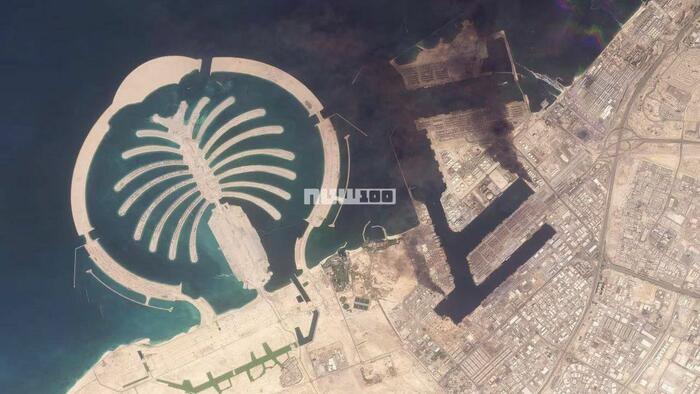
UAE Airports Face Disruptions Amid Escalating Middle East Conflict
Recent escalations in the Middle East, primarily between the US, Israel, and Iran, have led to significant disruptions in the UAE. Dubai and Abu Dhabi airports experienced flight delays and holding patterns following drone and missile attacks, with some incidents causing minor damage and injuries. India has also issued advisories and managed flight cancellations impacting its citizens.
Key Highlights
- UAE airports experienced severe flight delays and holding patterns.
- Drone and missile attacks targeted UAE territories, including Dubai and Abu Dhabi.
- Incidents caused minor damage and injuries, impacting airport operations.
- The ongoing conflict between US, Israel, and Iran led to regional airspace restrictions.
- Indian airlines adjusted schedules, with many flights to/from UAE cancelled.
- UAE intercepted numerous drones and missiles, but some debris fell within its borders.
The United Arab Emirates (UAE) has recently faced significant security challenges and widespread disruptions, particularly in its aviation sector, due to escalating geopolitical tensions in the Middle East. News reports from early March 2026 confirm that Dubai and Abu Dhabi airports experienced flight delays and instances of planes holding in airspace, while drone and missile attacks targeted the region. These incidents are part of a broader conflict involving the United States, Israel, and Iran, which has reverberated across the Gulf.
Specifically, on March 7, 2026, reports indicated that flights bound for UAE airports were observed in holding patterns, and multiple flights faced delays, according to flight tracking data from Flightradar24. Dubai's Media Office confirmed a "minor incident" resulting from falling debris after a missile interception on the same day, though they denied social media reports of incidents at Dubai International Airport itself. Blasts were also reportedly heard in Dubai and Manama, Bahrain's capital, intensifying concerns about regional stability.
The preceding days also saw considerable activity. On March 6, the UAE's Defence Ministry reported that one missile and six drones fell within the country's territory, resulting in six people being injured by falling debris from intercepted drones over Abu Dhabi. The ministry also detailed the interception of nine ballistic missiles and 109 drones on that day, with three drones landing within UAE borders.
Earlier in the week, on March 5, Dubai International Airport reportedly sustained damage, and an Iranian drone struck a parking lot near the US consulate in Dubai, causing a small fire. Tragic consequences included the deaths of three civilians – foreign workers from Nepal, Bangladesh, and Pakistan – and injuries to 68 others. The UAE Ministry of Defence stated it had intercepted 121 drones and three ballistic missiles, with eight drones impacting UAE territory.
Further evidence of these widespread attacks dates back to March 1, 2026, when both Dubai International Airport and the iconic Burj Al Arab were reportedly hit by drone attacks. Dubai Airports confirmed an incident at DXB that caused four injuries. Additionally, Abu Dhabi's Zayed International Airport was also reported to have come under attack overnight, resulting in one death and seven injuries. The UAE's Ministry of Defence highlighted its air force and air defence forces successfully engaging and destroying 137 ballistic missiles and 209 drones since the onset of the Iranian attacks, showcasing their high readiness.
The overall conflict has forced widespread air travel disruptions across the Middle East since February 28, leading to thousands of flight cancellations and impacting millions of passenger seats. Key aviation hubs, including Dubai, Abu Dhabi, Doha, and Kuwait, have been severely affected. Several countries, including the UAE, Qatar, Iran, Iraq, Kuwait, Bahrain, Israel, and Saudi Arabia, have implemented airspace closures or restrictions. Major carriers like Emirates and Qatar Airways have suspended or significantly altered operations, while other airlines have rerouted flights to avoid affected airspace.
The relevance of this unfolding situation to an Indian audience is significant, given the substantial Indian diaspora in the UAE and the critical air links between India and the Gulf region. Many Indian nationals were among those affected by the attacks, and flight cancellations at major Indian airports like Delhi and Bengaluru were reported due to airspace restrictions in the Middle East. India subsequently issued advisories for its citizens in the UAE and arranged for repatriation flights and special services to assist stranded passengers.
The situation underscores the volatile nature of geopolitics in the Middle East and its far-reaching implications on international travel, regional security, and the safety of expatriate communities.
Frequently Asked Questions
What caused the flight disruptions at Dubai and Abu Dhabi airports?
Flight disruptions, including delays and planes holding, were caused by drone and missile attacks targeting the UAE, which were intercepted by air defense systems. These attacks are part of an escalating conflict involving the US, Israel, and Iran.
Were there any casualties or damage in the UAE due to the attacks?
Yes, on March 5, 2026, three civilians (Indian, Bangladeshi, Pakistani nationals) were killed and 68 injured. Dubai International Airport reportedly sustained damage, and a drone hit the US consulate parking lot in Dubai. Other incidents involved falling debris from intercepted missiles and drones causing minor damage and injuries.
Which countries are involved in the current Middle East conflict impacting the UAE?
The conflict primarily involves the United States, Israel, and Iran, with tensions spilling over into several Middle Eastern countries, including the UAE, Kuwait, Qatar, Bahrain, and Saudi Arabia.
How has the conflict impacted Indian citizens and travel to the UAE?
Indian citizens in the UAE have been affected by the security situation, with India issuing advisories and planning repatriation flights. Many flights between India and the UAE were cancelled or delayed due to airspace restrictions.