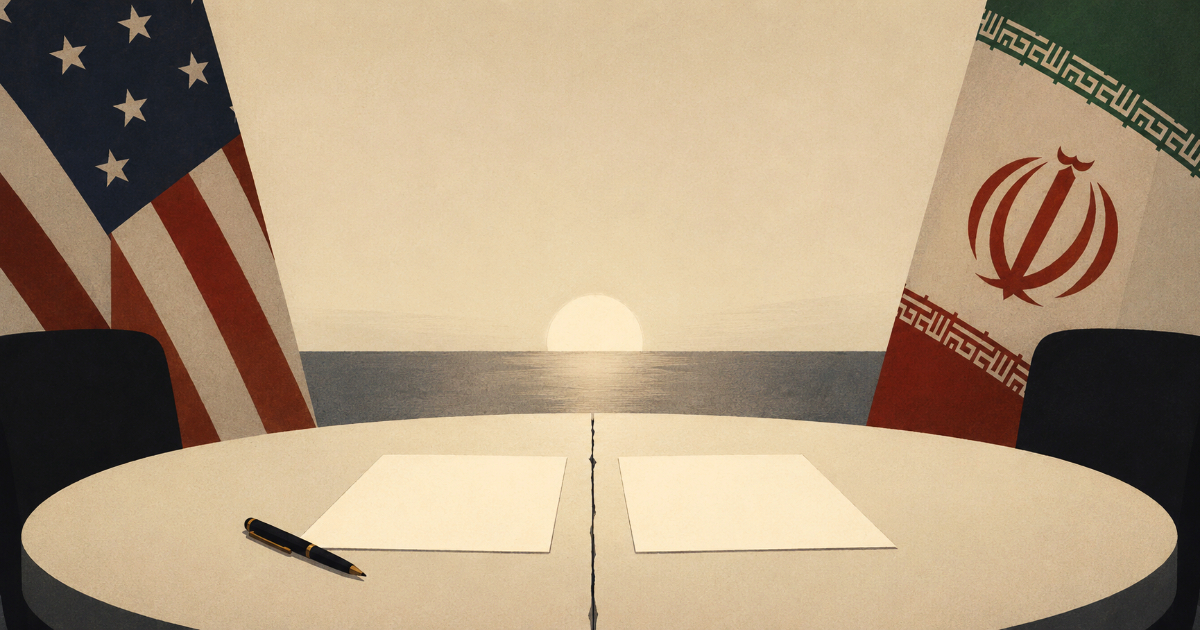
Vance, Iran hold talks in Switzerland amid Strait of Hormuz closure
US Vice President JD Vance met Iranian officials in Switzerland for critical talks aimed at de-escalating regional tensions and addressing Iran's nuclear program. The discussions were overshadowed by Iran's repeated claims of closing the Strait of Hormuz, a vital global shipping lane, though the US military reported continued commercial traffic. Mediators from Pakistan and Qatar were present, aiming to solidify a fragile ceasefire and negotiate a lasting agreement.
Key Highlights
- US-Iran talks focused on nuclear program and regional security.
- Iran claims closure of Strait of Hormuz, US disputes this.
- Pakistan and Qatar mediated the high-level discussions.
- Talks aimed to build on a fragile interim peace deal.
- Strait of Hormuz closure has significant global economic impact.
High-level talks between U.S. Vice President JD Vance and Iranian officials took place in Switzerland, aiming to de-escalate regional tensions and address Iran's nuclear program. The negotiations, held at the Bürgenstock resort near Lake Lucerne, were attended by mediators from Pakistan and Qatar, underscoring the fragile nature of the ongoing peace process..
The central focus of the discussions revolved around advancing a fragile interim peace deal that aimed to end the conflict between the two nations.. Key objectives included negotiating the future of Iran's nuclear program and solidifying a ceasefire in Lebanon, which had been under strain due to renewed Israeli and Hezbollah clashes..
A significant point of contention and a major backdrop to the talks was Iran's repeated claims of closing the Strait of Hormuz, a critical global maritime chokepoint through which a substantial portion of the world's oil and gas trade passes.. Iran declared the strait closed, citing alleged breaches of a ceasefire agreement by the U.S. and Israeli actions in Lebanon.. However, the U.S. military maintained that commercial vessels continued to operate in the waterway, disputing Iran's claims.. The closure of the Strait of Hormuz has had profound global economic implications, leading to increased energy prices and disruptions in supply chains..
Switzerland has historically served as a crucial diplomatic intermediary between the U.S. and Iran, facilitating communication when direct channels were unavailable.. The talks themselves were part of a 60-day negotiation period following a preliminary memorandum of understanding (MoU) signed in June, which outlined a roadmap for future discussions.. Mediators from Pakistan and Qatar played a pivotal role in facilitating these discussions, having also been instrumental in brokering previous agreements..
The talks aimed to achieve a "full regional ceasefire" and transform relations in the Middle East, as stated by Vice President Vance, who expressed optimism about turning "over a new leaf.". Despite the challenges, both sides expressed a willingness to engage in diplomacy, with Iran emphasizing its right to enrich uranium while seeking assurances on its nuclear program..
Recent developments indicate that even after these high-level talks, diplomatic and indirect negotiation channels between the U.S. and Iran remain open, with ongoing efforts to de-escalate the conflict and revive dialogue.. The U.S. has expressed a desire to engage through existing channels, signaling a continued commitment to diplomacy amidst prevailing political pressures..
The broader context of the conflict dates back to February 28, 2026, with a U.S.-Israeli air campaign against Iran, leading to significant disruptions in global energy supply and an economic crisis.. India, historically having friendly relations and significant trade ties with Iran, particularly in crude oil imports, would be indirectly affected by any prolonged instability in the Strait of Hormuz..
Scientists have also warned about potential long-term environmental consequences stemming from the closure of the Strait of Hormuz, with stranded vessels creating an opportunity for the spread of invasive marine species..
The verification process involved cross-referencing information from multiple Reuters reports and other credible news outlets to confirm the key claims regarding the talks, the participants, the issues discussed, and the concurrent developments concerning the Strait of Hormuz. The timeline of events, including the signing of the MoU, the postponement of initial talks, and the subsequent meetings, were corroborated across various sources. The role of Switzerland as a diplomatic hub and the involvement of Pakistan and Qatar as mediators were also consistently reported.
Frequently Asked Questions
What were the main topics of discussion during the US-Iran talks in Switzerland?
The main topics included Iran's nuclear program, regional security concerns, and solidifying a ceasefire in Lebanon. The status of the Strait of Hormuz was also a significant point of discussion.
What is the significance of the Strait of Hormuz and why is its closure a major issue?
The Strait of Hormuz is a vital global maritime chokepoint, essential for the transit of oil and gas. Its closure or disruption significantly impacts global energy markets, leading to price hikes and supply chain issues.
What role did Pakistan and Qatar play in these talks?
Pakistan and Qatar acted as mediators, facilitating the high-level discussions between the U.S. and Iran and helping to broker previous agreements and ceasefires.
What is the historical context of Switzerland's role in US-Iran diplomacy?
Switzerland has a long history of serving as a diplomatic intermediary between the U.S. and Iran, especially when direct diplomatic relations were strained or non-existent, facilitating communication and representing each other's interests.
What were the outcomes of the talks?
While no final agreement was reached, the talks aimed to build on a fragile interim peace deal, advance nuclear negotiations, and de-escalate regional tensions. Both sides agreed to establish working groups for further negotiations on sanctions, nuclear affairs, economic development, and monitoring. A communication line for the Strait of Hormuz was also agreed upon to avoid misunderstandings.