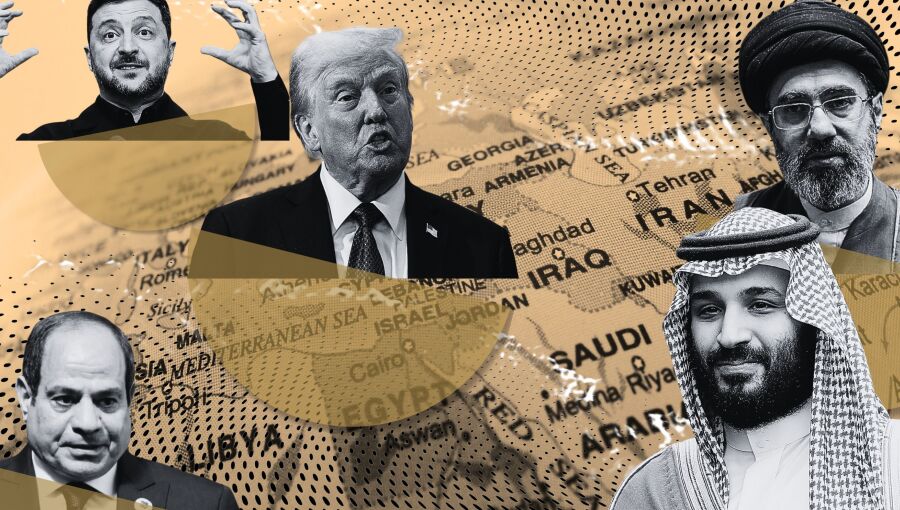
US-Saudi Forces Strike Iran-Backed Groups in Iraq Amidst Escalation
US and Saudi Arabian forces conducted joint precision strikes against Iran-backed militant sites in Iraq on July 28, 2026. The retaliatory strikes followed over 30 drone attacks on US forces and Saudi energy infrastructure, escalating the ongoing conflict in the Middle East and raising global concerns about stability and energy supply.
Key Highlights
- US and Saudi forces launched joint strikes in Iraq on July 28.
- Targeted Iran-backed militant groups in retaliation for drone attacks.
- At least 20 Popular Mobilization Forces members killed.
- Strikes followed over 30 drone attacks on US and Saudi sites.
- Marks first public Saudi involvement in US military action against Iran-backed groups.
- Part of a wider escalation, including Iran's missile strikes on US forces in Jordan.
On July 28, 2026, the United States military, in a coordinated effort with Saudi Arabian armed forces, carried out precision strikes against sites of Iran-backed militant groups across eastern Iraq. This joint operation, officially announced by the U.S. Central Command (CENTCOM) on July 29, 2026, targeted logistics and weapons facilities used by groups that CENTCOM alleges are directed by Iran's Islamic Revolutionary Guard Corps (IRGC).
The strikes were explicitly stated to be in direct retaliation for a series of hostile actions, specifically more than 30 drone attacks launched over the preceding 72 hours. These drones targeted both U.S. military positions within the region and critical Saudi energy infrastructure. The successful targeting of Saudi oil facilities, including an attack on Abqaiq, the world's largest oil-processing facility, heightened the urgency of the response. According to Iraqi paramilitary officials, the strikes resulted in significant casualties, with at least 20 fighters from the Popular Mobilization Forces (PMF) killed and dozens more wounded. The PMF, an umbrella organization of primarily Shiite, Iran-backed armed groups officially incorporated into the Iraqi security forces, confirmed these losses, adding that the strikes hit command centers and logistics facilities. Some reports also indicated the deaths of several Iranian military advisers, though Iran's consulate general in Karbala denied any IRGC members were killed, stating the strikes hit unoccupied buildings.
This marks a significant development in the ongoing regional tensions, as it is the first time Saudi Arabia has publicly acknowledged its participation in direct military action alongside the United States against Iran-backed groups. The move signals a potential deepening of Riyadh's involvement in the broader Middle East conflict and a shift in its regional defense posture. The strikes shattered a brief period of relative calm and coincided with a wider escalation across the Middle East. Hours before the US-Saudi operation, the US military reported intercepting a 'surprise' Iranian missile attack targeting its forces in the region. Iran's Revolutionary Guards confirmed firing several ballistic missiles at U.S. military installations in Jordan, where three U.S. service members had been killed earlier this month. Furthermore, maritime tensions in the crucial Strait of Hormuz intensified, with Iran claiming full control over the waterway and striking three oil tankers for allegedly using an unsafe route. This came after an interim agreement concerning the Strait, vital for global energy supplies, had collapsed. Adding to the regional volatility, drone strikes reportedly hit a US-owned gas storage tanker at Egypt's Mediterranean port of Damietta, and Yemen's Houthi rebels, also aligned with Iran, claimed attacks on Saudi energy facilities.
The Iraqi government, caught between escalating foreign powers, condemned the U.S.-Saudi airstrikes as an unacceptable attack and a blatant violation of Iraq's sovereignty. Iraqi President Nizar Amidi's office and the National Security Council called for de-escalation and revealed that the strikes occurred despite ongoing Iraqi efforts to address Saudi and American concerns through diplomatic channels. In a clear sign of displeasure, Iraqi Prime Minister Ali al-Zaidi reportedly canceled a planned meeting with Saudi Crown Prince Mohammed bin Salman following the attacks.
U.S. President Donald Trump, in response to the Iranian actions, vowed to 'hit them very hard,' indicating a robust and assertive stance. CENTCOM reiterated its warning, stating that further attacks on U.S. troops or Saudi energy sites would be met with additional action. The military escalation immediately impacted global crude oil prices, which spiked over 3%, reversing a brief decline and resurfacing energy market concerns over Middle East supply routes. This latest series of events is part of a broader conflict between the U.S. and Iran that commenced in February 2026, marked by cycles of attacks and diplomatic stalemates. The protracted conflict has become increasingly unpopular in the United States, with polls indicating widespread public disapproval of the war's worthiness.
For an Indian audience, these developments hold significant importance due to India's substantial reliance on Middle Eastern oil imports. Escalations in the Strait of Hormuz, a critical maritime chokepoint, directly threaten India's energy security and can lead to immediate price increases. Furthermore, the large Indian diaspora in the Gulf region faces increased risks amidst growing instability, making regional peace and security a paramount concern for India's foreign policy and economy.
Frequently Asked Questions
Why did the US and Saudi Arabia conduct strikes in Iraq?
The US and Saudi Arabian forces conducted joint precision strikes in Iraq in retaliation for over 30 drone attacks launched in the preceding 72 hours. These attacks targeted US military forces in the region and critical Saudi Arabian energy infrastructure.
Which groups were targeted in Iraq?
The strikes targeted logistics and weapons sites belonging to Iran-backed militant groups in eastern Iraq, which the US Central Command (CENTCOM) stated were directed by Iran's Islamic Revolutionary Guard Corps (IRGC). These groups are primarily part of Iraq's Popular Mobilization Forces (PMF).
What was the immediate impact of these strikes?
Iraqi paramilitary officials reported at least 20 Popular Mobilization Forces fighters killed and 32 wounded. The strikes also led to a sharp increase in global crude oil prices and intensified the broader regional conflict, with Iran responding with its own missile launches and maritime actions.
How significant is Saudi Arabia's involvement?
Saudi Arabia's public acknowledgement of its participation in these joint strikes marks a significant new phase in the regional conflict. It indicates a deeper involvement by Riyadh in confronting Iran-aligned groups alongside the United States.
How does this escalation affect global stability and India?
This escalation significantly heightens tensions in the Middle East, a crucial region for global energy supplies. For India, it poses direct threats to energy security through potential disruptions in the Strait of Hormuz and rising oil prices, and raises concerns about the safety of its large expatriate population in the Gulf.