India-US Trade Deal Nears July 24 Tariff Deadline Amidst Protests
India and the United States are on the brink of finalizing a crucial interim trade deal, with a critical July 24 deadline looming. Failure to reach an agreement could lead to renewed higher tariffs on Indian goods, intensifying pressure as farmer protests against the pact grow. Both nations aim for a mutually beneficial agreement.
Key Highlights
- India-US interim trade deal is 'very, very close' to finalization.
- July 24, 2026, marks the expiry of temporary US 10% tariffs on Indian goods.
- Unresolved issues include forced labor clauses and market access in agriculture.
- Indian farmers are actively protesting, fearing impact on domestic agriculture.
- Failure to meet the deadline risks harsher tariffs, potentially Section 301 rates.
- Commerce Minister Goyal emphasizes India's national interest in negotiations.
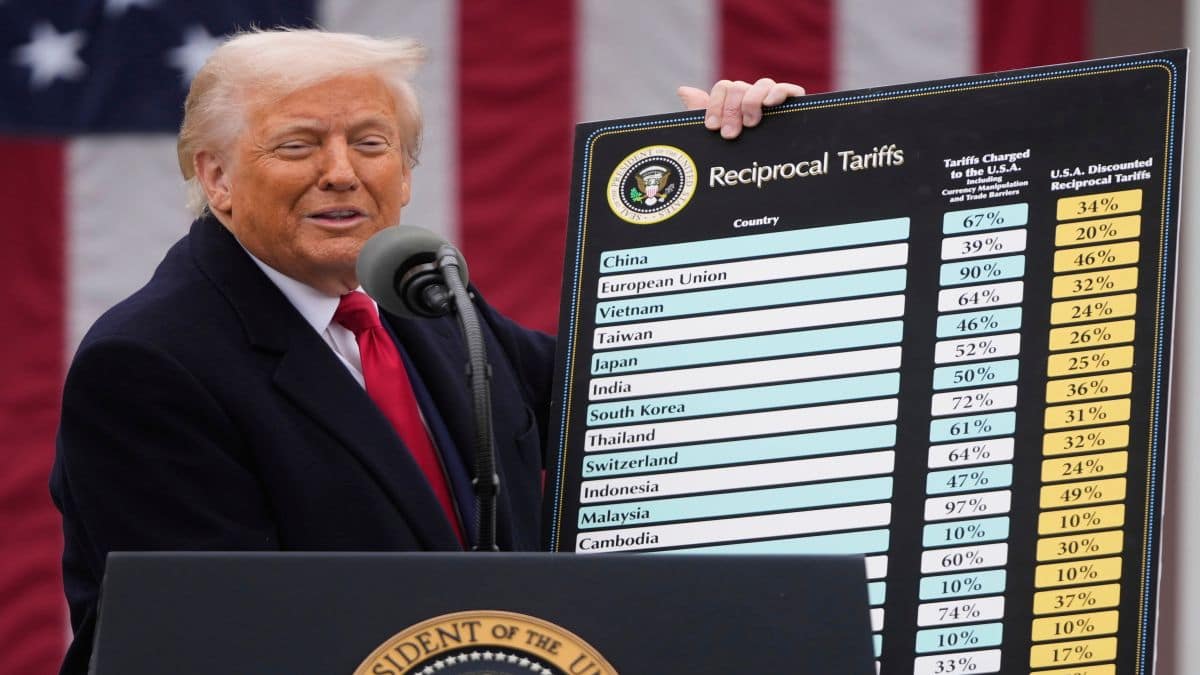
India and the United States are currently in the advanced stages of negotiating an interim bilateral trade agreement, frequently described by officials as being 'very, very close' to completion. This comes as a significant July 24, 2026, deadline approaches, which marks the expiration of a temporary 10% additional duty imposed by the United States on certain Indian exports. Should an agreement not be reached by this critical date, there is a risk that talks could revert to a harsher tariff regime, potentially involving Section 301 rates under the US Trade Act.
The current intense negotiations follow a series of developments in the bilateral trade relationship. Earlier, on February 2, 2026, India and the United States had announced a trade deal, with a joint statement released on February 7, which saw the removal of 25% additional tariffs previously imposed by the US on certain Indian exports. These tariffs were initially linked to India's imports of Russian oil. However, a subsequent US Supreme Court judgment on February 20, 2026, invalidated sweeping tariffs that had been imposed by the Trump administration. In response to this ruling, the US government issued Executive Orders reimposing temporary 10% tariffs on specific products from all countries, under Section 122 of the US Trade Act 1974, for a period of 150 days starting from February 24. This 150-day period concludes around the July 24 deadline, increasing the urgency of the current talks.
Despite the significant progress, several key sticking points remain unresolved. These include disagreements over clauses related to forced labor practices, ensuring Asian tariff parity for Indian goods, and market access issues, particularly concerning agricultural and dairy products. Digital trade and industrial goods are also areas of ongoing negotiation. India is actively advocating for a favorable 18% tariff rate on its exports to the US, seeking a competitive advantage over other Asian exporting nations like Vietnam and Bangladesh.
The potential trade deal has not been without controversy within India. Farmers across several states, including Punjab and Haryana, have mobilized in protest against the proposed agreement. Their primary concern is that the deal could open the Indian market to cheaper American agricultural products, thereby adversely affecting the livelihoods of domestic farmers. In response to these concerns, Prime Minister Narendra Modi has publicly assured that the interests of Indian farmers will be fully protected, and no compromise will be made that could harm the farming community.
Officials on both sides have expressed a desire to conclude a "mini-trade deal" or the "first tranche" of a broader Bilateral Trade Agreement (BTA) that could lay the groundwork for a more comprehensive pact in the future. Commerce and Industry Minister Piyush Goyal has consistently reiterated that India's national interest remains the top priority in any final trade agreement, emphasizing that no deal would be finalized unless it guarantees a clear advantage for Indian businesses and workers. The bilateral trade between India and the US has seen substantial growth, reaching an estimated $132.2 billion in FY25, with the US being India's largest export destination.
The broader global trade environment further complicates these negotiations. The US, under President Trump, has recently demonstrated a renewed push to use tariffs as a significant economic leverage tool. This is evident from recent tariff impositions on countries such as Canada and Brazil, alongside ongoing investigations into alleged forced-labor practices and unfair trade policies that could lead to new tariffs of 10% to 12.5% on dozens of countries, including India. These actions underscore the complex and often contentious nature of international trade negotiations, making the impending July 24 deadline a high-stakes moment for India-US economic relations.
Frequently Asked Questions
What is the significance of the July 24 deadline for the India-US trade deal?
The July 24, 2026, deadline is critical because a temporary 10% additional duty imposed by the US on Indian goods is set to expire. If an interim trade deal is not finalized by then, the tariffs could revert to harsher rates, potentially including Section 301 tariffs.
What are the main sticking points preventing the immediate finalization of the India-US trade deal?
Key unresolved issues include clauses related to forced labor, achieving tariff parity with other Asian nations, and market access for US agricultural and dairy products. India is also pushing for a specific 18% tariff rate on its exports.
Why are Indian farmers protesting against the proposed trade deal?
Indian farmers are protesting due to fears that the trade deal could lead to increased imports of cheaper American agricultural products, which they believe would negatively impact their livelihoods and the domestic agricultural sector.
What was the status of India-US trade relations before the current negotiations?
In February 2026, a deal was announced that removed a 25% additional US tariff on Indian exports. However, a US Supreme Court ruling later invalidated sweeping tariffs, leading to the current temporary 10% tariffs that expire on July 24.
What is India's stance on the trade deal negotiations?
India's Commerce Minister Piyush Goyal has stated that India's national interest is paramount, and New Delhi will only proceed with an agreement that offers a clear competitive advantage to Indian businesses and workers.