US-Iran Tensions Escalate: Tehran Condemns Strikes Amidst Fragile MoU, Hormuz Attacks
Tensions between the United States and Iran have sharply escalated with Tehran condemning recent US strikes as a violation of their newly signed Memorandum of Understanding. This comes amidst reciprocal attacks, including a tanker hit in the Strait of Hormuz and Bahrain accusing Iran of drone attacks, threatening regional stability and global energy flows.
Key Highlights
- Iran condemns US strikes as MoU violation, threatens response.
- US targeted Iranian missile and drone sites after cargo ship attack.
- Bahrain reports Iranian drone attack, blames Tehran for destabilization.
- Oil tanker struck in Strait of Hormuz, raising global energy concerns.
- US-Iran MoU signed June 18 aimed at ceasefire, nuclear talks.
- Conflict, now on 'Day 120', highlights extreme fragility of regional peace.
Tensions in the West Asia region have severely escalated on what Al Jazeera reports as 'Day 120' of the ongoing conflict between the United States and Iran, marked by mutual accusations and retaliatory military actions. The original Al Jazeera article, published on June 27, 2026, details Tehran's condemnation of recent US strikes, asserting that these actions violate a newly established Memorandum of Understanding (MoU) between the two nations.
The 'Iran war' officially commenced on February 28, 2026, following US-Israeli airstrikes targeting Iranian military and government facilities. The current date of June 27, 2026, indeed places the conflict at its 120th day. The conflict has seen significant regional involvement, with US President Donald Trump and Vice President JD Vance taking central roles in the American response.
A crucial development was the digital signing of a Memorandum of Understanding (MoU) on June 18, 2026, by US President Donald Trump and Iranian President Masoud Pezeshkian. This agreement was intended to halt hostilities, establish a 60-day ceasefire, outline a framework for nuclear negotiations, provide for US sanctions relief, and facilitate the reopening of the vital Strait of Hormuz. The MoU also contained provisions for a substantial reconstruction fund for Iran, although details regarding its funding and administration have been points of contention.
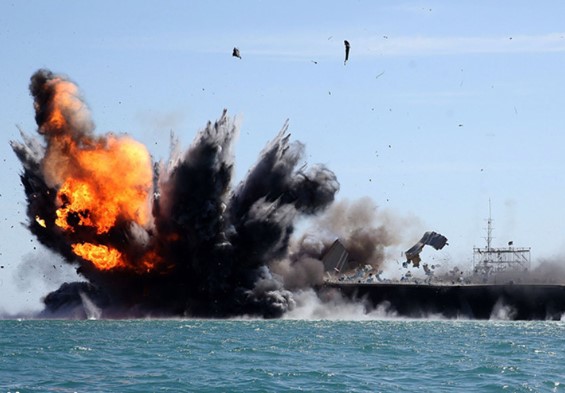
However, the fragile peace brought by the MoU was quickly tested. On June 26, 2026, the United States military carried out strikes, which it stated were in retaliation for a drone attack that occurred a day earlier on the cargo ship 'Ever Lovely' in the Strait of Hormuz. US Central Command (CENTCOM) reported that these strikes targeted Iranian missile and drone storage locations, along with coastal radar sites.
In response, Tehran vehemently condemned the US actions, accusing Washington of violating the commitments enshrined in the recently signed MoU. Iran's Islamic Revolutionary Guard Corps (IRGC) further claimed to have launched its own retaliatory strikes, targeting US military installations within the region.
Compounding the regional instability, Bahrain, a key US ally and home to the US Navy's 5th Fleet, announced on June 27, 2026, that its territory had been targeted by several Iranian drones. Bahrain's Ministry of Foreign Affairs issued a strong condemnation, describing the attack as a "flagrant violation of its sovereignty" and holding Tehran "solely responsible" for undermining peace efforts and destabilizing regional security. Bahrain specifically referenced Iran's alleged breach of UN Security Council Resolution 2817 and the June 17 Islamabad Memorandum of Understanding.
The Strait of Hormuz, a critical chokepoint for global energy supplies, has remained a focal point of the conflict. On the same day, June 27, 2026, a Panama-flagged oil tanker, the VLCC Kiku, was reportedly struck by an unidentified projectile while transiting the Strait of Hormuz. While the crew was reported safe and no environmental damage occurred, this incident followed the earlier drone attack on the 'Ever Lovely' on June 25, underscoring the severe risks to international shipping. Iran had previously asserted its control over the waterway, temporarily closing it after the MoU was signed, citing Israeli operations in Lebanon, despite the MoU's aim to restore safe passage. This ongoing disruption and the threat to shipping in the Strait have significant global economic implications, particularly for energy markets.
The current events highlight the extreme fragility of the US-Iran MoU and the broader peace efforts in the region. Despite diplomatic initiatives, the rapid succession of attacks and counter-attacks indicates a deeply entrenched and volatile situation. The involvement of various regional actors and the direct threat to international maritime routes underscore the critical importance of these developments for global security and economic stability. Credible sources such as The Associated Press, The Guardian, CBS News, and The New Arab corroborate these events, reinforcing the factual basis of Al Jazeera's reporting.
Frequently Asked Questions
What is the 'Iran war' referred to as being on 'Day 120'?
The 'Iran war' began on February 28, 2026, after the United States and Israel launched airstrikes targeting Iranian military and government sites. 'Day 120' refers to June 27, 2026, marking roughly four months since the start of these hostilities.
What is the US-Iran Memorandum of Understanding (MoU) and why is it significant?
The US-Iran MoU was digitally signed on June 18, 2026, by US President Donald Trump and Iranian President Masoud Pezeshkian. It aimed to establish an immediate ceasefire, a framework for nuclear negotiations, sanctions relief for Iran, and the reopening of the Strait of Hormuz. Its significance lies in being a diplomatic effort to de-escalate a major ongoing conflict, but its fragility is evident through recent violations and retaliations.
What recent incidents have heightened tensions between the US and Iran?
Recent incidents include US strikes on Iranian missile and drone storage locations on June 26, 2026, which the US stated were in response to an Iranian drone attack on a cargo ship in the Strait of Hormuz a day earlier. Additionally, on June 27, 2026, Bahrain accused Iran of launching drone attacks on its territory, and an oil tanker was struck by an unidentified projectile in the Strait of Hormuz.
How do these developments impact global energy security?
The Strait of Hormuz is a critical chokepoint for approximately one-fifth of the world's oil and liquefied natural gas. Attacks on tankers and assertions of control over the waterway by Iran directly threaten the safe passage of commercial vessels, leading to potential disruptions in global energy supplies and price volatility.