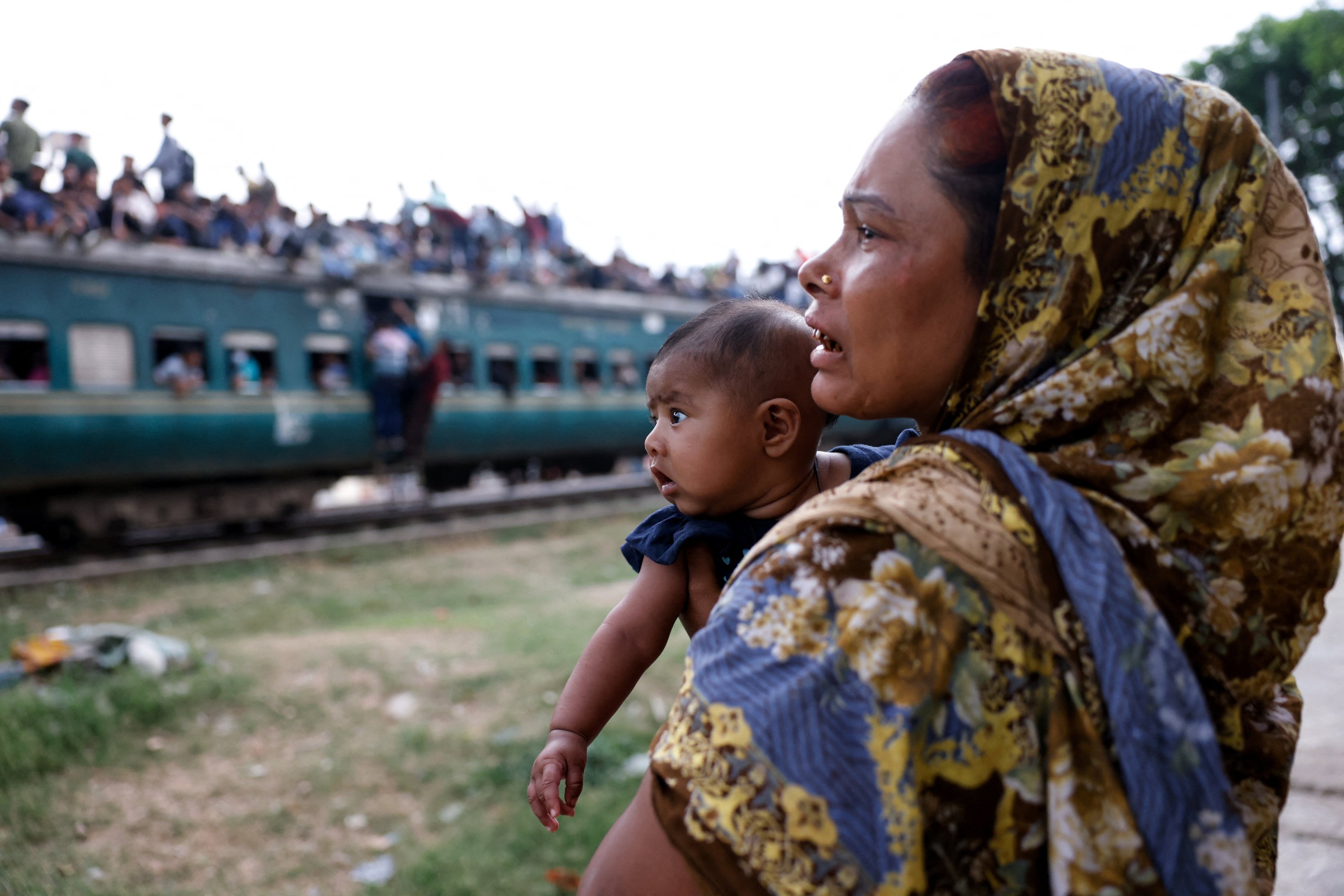
Bangladesh Measles Outbreak: Hundreds of Children Dead Amid Vaccination Gaps
Bangladesh is grappling with a severe measles outbreak, leading to over a hundred suspected child deaths and thousands of infections. The crisis is largely attributed to significant immunity gaps due to delayed vaccination campaigns, political unrest in 2024, and disruptions in routine immunization programs. An emergency vaccination drive has been launched nationwide.
Key Highlights
- Severe measles outbreak in Bangladesh caused over 100 suspected child deaths.
- Outbreak attributed to vaccination gaps, delayed 2024 campaign due to political unrest.
- Emergency vaccination drive launched across 56 districts to contain spread.
- WHO and UNICEF express deep concern, supporting Bangladesh's response efforts.
- Health Minister acknowledges 'hardly prepared' for sudden surge.
- Disrupted vaccine supply and health worker strikes contributed to immunity gaps.
Bangladesh is currently facing a severe and rapidly escalating measles outbreak that has resulted in a tragic loss of life, with official data indicating over 100 suspected child deaths and thousands of infections across the nation. The outbreak, primarily affecting children aged six months to five years, has spread to 56 of Bangladesh's 64 districts, prompting the government to launch an emergency vaccination campaign.
The alarming resurgence of measles is largely attributed to significant immunity gaps within the population. A crucial nationwide measles vaccination campaign, initially scheduled for June 2024, was reportedly delayed and ultimately not executed due to widespread political unrest that led to the toppling of the previous government. This delay, coupled with disruptions in routine immunization programs and even strikes by health assistants in rural areas, created a fertile ground for the highly contagious virus to spread.
Earlier reports in late March 2026 indicated at least 21 to 38 child fatalities, but these numbers rapidly escalated. By early April 2026, the death toll from suspected measles cases soared, with some reports citing at least 98 children in three weeks, others confirming 94 deaths in 19 days, and some suggesting over 110, with specific figures of 113 suspected and 17 confirmed deaths, totaling 130 children over six weeks. While confirmed measles cases stand lower at 826 with 16 confirmed deaths, experts warn that the actual death toll from the outbreak is likely much higher due to many patients dying before testing or testing not being conducted.
Health Minister Sardar Md Sakhawat Husain acknowledged that the government was "hardly prepared" for the sudden spread of measles, stating that no nationwide measles vaccinations had been administered in the country for approximately eight years, or at least since 2020 for a dedicated measles-rubella campaign. This highlights long-standing weaknesses, policy gaps, planning weaknesses, and implementation failures in the health system. Additionally, a disruption in measles vaccine supply was noted in the preceding year, further exacerbating the immunity deficit.
The World Health Organization (WHO) and UNICEF have expressed deep concern over the situation, attributing the outbreak primarily to this "immunity gap" in routine childhood immunization. UNICEF Representative in Bangladesh, Rana Flowers, emphasized that the resurgence highlights critical immunity gaps, particularly among zero-dose and under-vaccinated children, with infections among infants under nine months (who are not yet eligible for routine vaccination) being particularly alarming. The outbreak has led to severe overcrowding in hospitals in several high-burden regions, straining limited healthcare capacities.
In response to the crisis, the Government of Bangladesh, with substantial support from UNICEF, WHO, and Gavi, the Vaccine Alliance, initiated an emergency measles-rubella vaccination campaign on April 5, 2026. The campaign aims to protect over 1.2 million children aged six months to five years across 30 upazilas in 18 high-risk districts, with plans for phased expansion nationwide. Children who missed routine immunization are being prioritized. Prime Minister Tarique Rahman also ordered an urgent nationwide review and directed ministers to assess the crisis and coordinate response efforts.
Public health experts have underscored the urgency of rapid vaccination, strengthened surveillance, ensured vaccine supply, and enhanced field-level monitoring to bring the situation under control. The crisis serves as a stark reminder of the global threat of vaccine-preventable diseases when immunization coverage declines.
Frequently Asked Questions
What caused the recent measles outbreak in Bangladesh?
The recent measles outbreak in Bangladesh is primarily due to significant immunity gaps among children. This resulted from a crucial nationwide vaccination campaign scheduled for June 2024 being delayed or not executed because of political unrest, health worker strikes, insufficient funding, and disruptions in routine immunization programs.
How many children have died in the Bangladesh measles outbreak?
As of early April 2026, official data reports over 100 suspected child deaths. Specific figures vary across sources, with reports ranging from at least 94 deaths in 19 days to 113 suspected and 17 confirmed deaths (totaling 130 children) over six weeks. Experts suggest the actual toll might be higher due to unconfirmed cases.
What is the government's response to the measles outbreak?
The Government of Bangladesh has launched an emergency measles-rubella vaccination campaign, with support from UNICEF, WHO, and Gavi, the Vaccine Alliance. This campaign aims to vaccinate over 1.2 million children aged six months to five years in high-risk districts, with plans for nationwide expansion. The Prime Minister has also ordered an urgent nationwide review of the crisis.
Which areas of Bangladesh are most affected by the outbreak?
The outbreak has spread to 56 of Bangladesh's 64 districts. Hotspot areas with a higher incidence of cases include Dhaka division, Rajshahi, Mymensingh, Barishal, Chattogram, Khulna, and other districts like Pabna, Jashore, Natore, and Chapainawabganj.
What are the long-term implications of this outbreak for Bangladesh's health system?
The outbreak highlights systemic weaknesses in Bangladesh's health system, including policy gaps, planning failures, and inconsistent implementation of immunization programs. It underscores the critical need for sustained investment in public health infrastructure, resilient vaccine supply chains, and robust community-level health services to prevent future resurgences of vaccine-preventable diseases.