Iran President Apologizes for Strikes, Vows Halt Unless Attacked
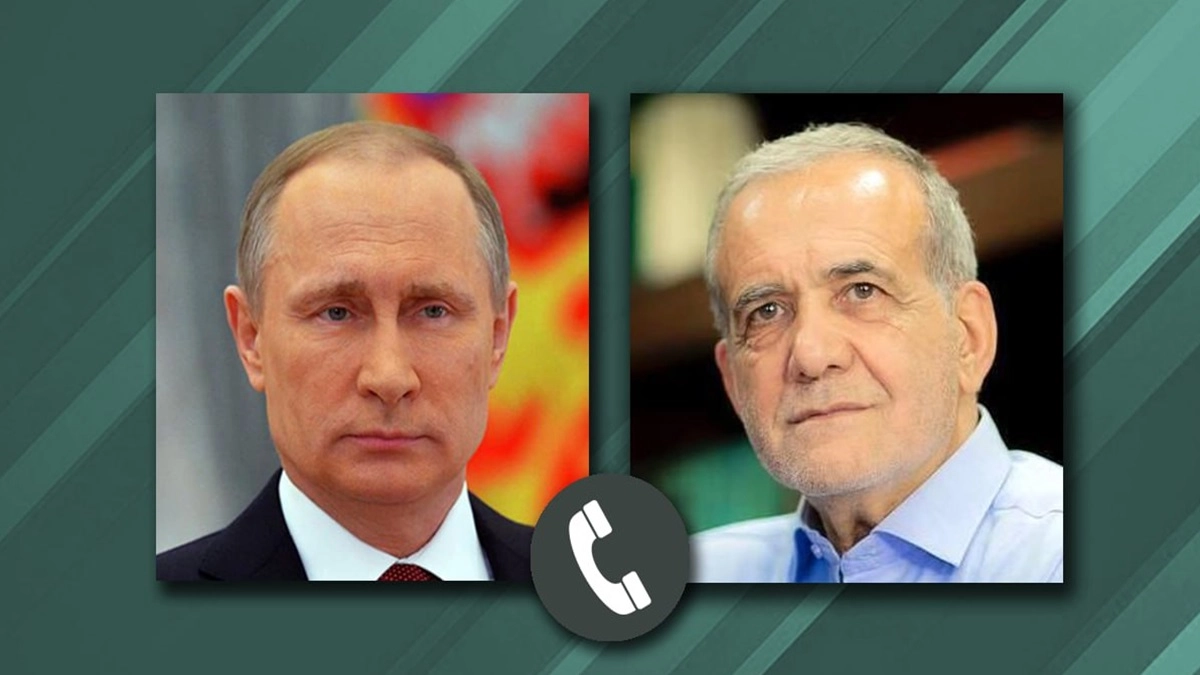
Iranian President Masoud Pezeshkian has apologized for recent attacks on neighboring countries, stating that Tehran will halt such actions unless provoked. He also rejected U.S. President Donald Trump's demand for unconditional surrender amidst ongoing regional conflict.
Key Highlights
- Iran's President apologizes to neighboring nations for recent attacks.
- Tehran will cease attacks unless provoked by an aggressor.
- President Pezeshkian rejects U.S. demand for Iran's unconditional surrender.
- Apology follows intensified strikes on Gulf Arab states.
- Leadership council approved the suspension of attacks.
In a significant development amidst the ongoing regional conflict, Iranian President Masoud Pezeshkian issued a public apology on Saturday, March 7, 2026, to neighboring countries that have been targeted by Iran's military actions. Speaking in a prerecorded address aired on state television, President Pezeshkian declared that Iran's temporary leadership council has approved a directive to halt offensive missile and drone strikes against these nations, with the crucial condition that such attacks will only resume if Iran itself is first attacked.
This announcement comes at a critical juncture in the escalating conflict, which has seen intensified Iranian fire targeting Gulf Arab states, including Bahrain, Saudi Arabia, and the United Arab Emirates. The attacks have had significant repercussions, with Dubai International Airport experiencing disruptions and Emirates airline suspending flights.
President Pezeshkian attributed the recent attacks to miscommunication within Iran's armed forces, suggesting that the leadership's command and control might have been affected by the killing of the country's Supreme Leader, Ayatollah Ali Khamenei, on February 28, 2026. He emphasized that Iran has no hostile intentions towards its regional neighbors and called for diplomatic solutions to resolve tensions. Pezeshkian described the neighboring countries as "brothers" and stressed the importance of working together to establish peace and stability in the region.
In addition to the apology and the halt in offensive actions, President Pezeshkian firmly rejected the demand for Iran's unconditional surrender made by U.S. President Donald Trump. Pezeshkian stated that such a demand is a "dream that they should take to their grave". This stance highlights Iran's continued defiance against perceived external pressures amidst the ongoing war, which has also seen significant Israeli and U.S. airstrikes targeting Iran's military capabilities and leadership.
Despite Pezeshkian's announcement, reports indicated that missile and drone activity continued in the Gulf region shortly after his address, raising questions about the full adherence to the new directive by all military factions. Some analysts suggest that this move may be an attempt to de-escalate regional tensions and open avenues for diplomatic engagement, while simultaneously signaling to adversaries that Iran remains steadfast in its defense. The context of this apology and policy shift is the ongoing war that began after the killing of Supreme Leader Ayatollah Ali Khamenei, which has significantly impacted regional stability, global markets, and air travel. The situation remains fluid, with the full implications of Iran's announced policy change yet to unfold.
Frequently Asked Questions
Why did Iran's President apologize to neighboring countries?
Iran's President Masoud Pezeshkian apologized to neighboring countries for recent attacks, citing miscommunication within the armed forces and a desire to de-escalate tensions amid the ongoing conflict.
Under what condition will Iran resume attacks on its neighbors?
Iran's President stated that attacks on neighboring countries will only resume if Iran itself is first attacked by them.
What was Iran's President's response to U.S. President Donald Trump's demand for unconditional surrender?
President Pezeshkian firmly rejected Donald Trump's demand for unconditional surrender, calling it a 'dream that they should take to their grave'.