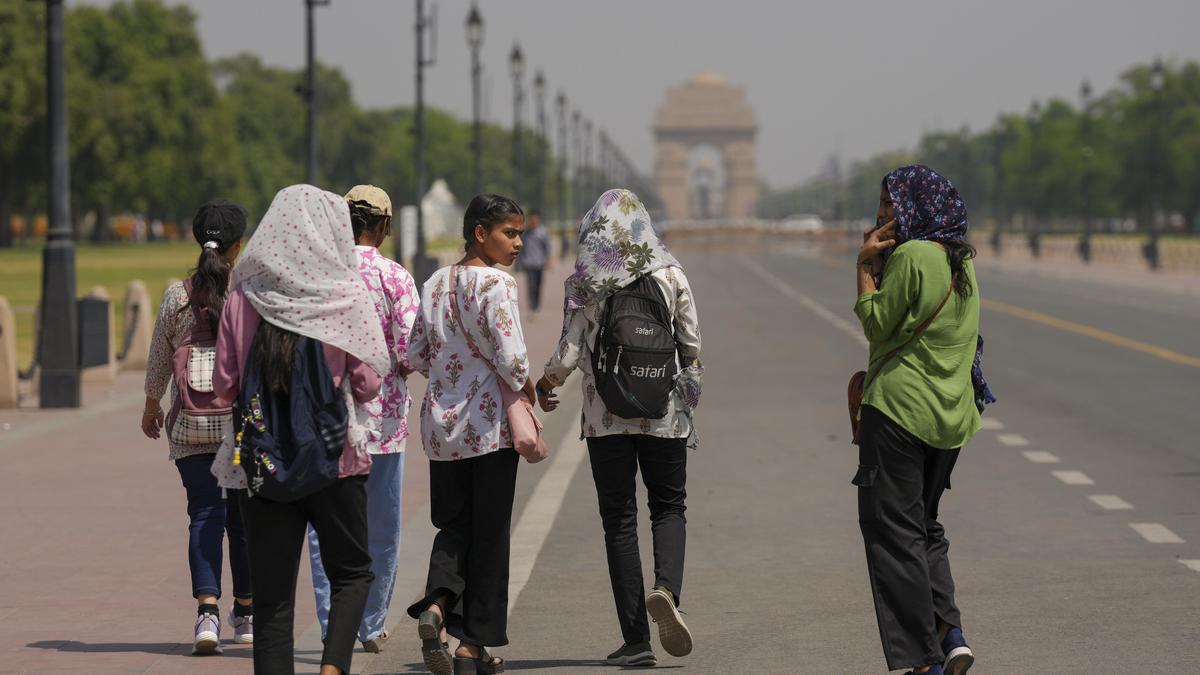
India Summer Forecast: Heatwaves Expected, Scorching Temperatures Predicted
India is anticipating a hotter-than-normal summer with an increased likelihood of heatwave days, according to meteorological predictions. This outlook necessitates preparedness for potential health and agricultural impacts across the nation.
Key Highlights
- Above-normal temperatures are forecast for the Indian summer.
- Increased frequency and intensity of heatwaves are expected.
- Vulnerable populations need to take precautions against heat stress.
- Potential impacts on agriculture and water resources are a concern.
- Authorities are advised to activate heat action plans.
India is bracing for a challenging summer season, with meteorological agencies predicting hotter-than-normal temperatures and a higher probability of heatwave days across the country. This forecast, released in advance of the typical summer months, highlights the need for heightened awareness and preparedness among the public, government bodies, and various sectors.
The India Meteorological Department (IMD) has been a primary source for these projections, indicating that several regions are likely to experience prolonged periods of intense heat. Factors contributing to this outlook often include complex climatic phenomena, such as the El Niño-Southern Oscillation (ENSO) and the Indian Ocean Dipole (IOD), which can influence regional weather patterns. While specific predictions for the exact number of heatwave days and their intensity are subject to ongoing monitoring, the general consensus points towards a warmer and potentially more severe summer than usual.
Heatwaves pose significant risks to public health, particularly for vulnerable groups such as the elderly, children, pregnant women, and individuals with pre-existing medical conditions. Exposure to extreme heat can lead to heat exhaustion, heatstroke, dehydration, and exacerbate chronic illnesses. Public health advisories typically emphasize staying hydrated, avoiding strenuous outdoor activities during peak heat hours, wearing light-colored and loose-fitting clothing, and seeking cool environments. Hospitals and healthcare facilities are often put on alert to manage an anticipated increase in heat-related illnesses.
Beyond the immediate health concerns, a hotter-than-normal summer can have substantial repercussions on India's agricultural sector. Crops, especially during their crucial growth stages, are highly sensitive to temperature fluctuations and water availability. Prolonged heat and drought conditions can lead to reduced yields, crop failures, and increased irrigation demands, impacting food security and the livelihoods of farmers. The livestock sector also faces challenges, with increased risk of heat stress and reduced productivity.
Water resources are another area of significant concern. Higher temperatures lead to increased evaporation rates from reservoirs and water bodies, potentially exacerbating water scarcity in regions already facing such issues. This can affect drinking water supplies, industrial water needs, and agricultural irrigation, necessitating careful water management strategies.
In response to these forecasts, various government agencies and disaster management authorities are expected to activate and strengthen their heat action plans. These plans often involve early warning systems, setting up of public cooling centers, awareness campaigns, and coordinating efforts between health, agriculture, and water resource departments. The National Disaster Management Authority (NDMA) typically provides guidelines and recommendations to states for managing heatwave conditions.
The anticipation of a harsh summer is not an isolated event but reflects a broader trend of increasing global temperatures and more frequent extreme weather events, often linked to climate change. While natural climate variability plays a role, the underlying warming trend is a significant factor. The long-term implications of such summers underscore the importance of climate change mitigation and adaptation strategies.
As the summer progresses, continuous monitoring by meteorological agencies will be crucial to provide updated forecasts and issue timely warnings. The collective preparedness and response of communities and authorities will be key to mitigating the adverse impacts of the predicted hotter-than-normal summer and extended heatwave periods across India. The IMD's forecasts serve as an important lead indicator, prompting necessary actions to safeguard public health and economic stability.
Frequently Asked Questions
What is the general forecast for India's summer this year?
India is expected to experience a hotter-than-normal summer, with an increased likelihood of more heatwave days compared to previous years.
Which areas in India are most likely to be affected by heatwaves?
While specific regional predictions vary, many parts of India are susceptible to heatwaves, with particular emphasis on the plains and central regions which often experience higher temperatures.
What are the main health risks associated with heatwaves?
The primary health risks include heat exhaustion, heatstroke, dehydration, headaches, dizziness, and the exacerbation of pre-existing medical conditions. Vulnerable groups like the elderly, children, and those with chronic illnesses are at higher risk.
How can people protect themselves from the heat?
It is recommended to stay hydrated by drinking plenty of water, avoid strenuous outdoor activities during the hottest parts of the day, wear light and loose-fitting clothing, stay in cool environments, and seek medical attention if experiencing severe heat-related symptoms.
What is the potential impact of a hotter summer on agriculture in India?
A hotter summer can lead to increased water stress for crops, potential yield reductions, and increased irrigation needs. This could affect food security and the livelihoods of farmers, necessitating adaptive strategies.