H5N1 Bird Flu Reaches Australia, Now Present on All Continents
The highly pathogenic H5N1 bird flu strain has been detected on mainland Australia for the first time, confirming its presence on every continent globally. This variant, clade 2.3.4.4b, was found in wild migratory seabirds in Western Australia. Authorities are implementing heightened surveillance, though human risk remains low.
Key Highlights
- Deadly H5N1 bird flu confirmed in wild birds in Western Australia.
- Australia's detection means H5N1 is now present on every continent.
- The detected strain is HPAI H5N1 clade 2.3.4.4b, causing global animal pandemic.
- Initial mainland cases found in a brown skua and a giant petrel.
- Risk to humans currently assessed as low, with rare person-to-person spread.
- Enhanced surveillance and biosecurity measures are underway across Australia.
The highly pathogenic H5N1 strain of avian influenza, commonly known as bird flu, has officially been detected on the Australian mainland, marking a significant global development as it signifies the virus's presence on every continent for the first time. Australian authorities confirmed the detection in wild migratory seabirds in Western Australia in June 2026, ending the continent's status as the last major landmass free of this particular, aggressive lineage.
The detected strain is identified as HPAI H5N1 clade 2.3.4.4b, a variant that has been responsible for an unprecedented global animal pandemic since 2021. This strain has caused millions of deaths in wild bird populations and significant losses in poultry industries across Europe, Asia, Africa, and the Americas, and has also spilled over into various mammal species, including dairy cattle, seals, and sea lions.
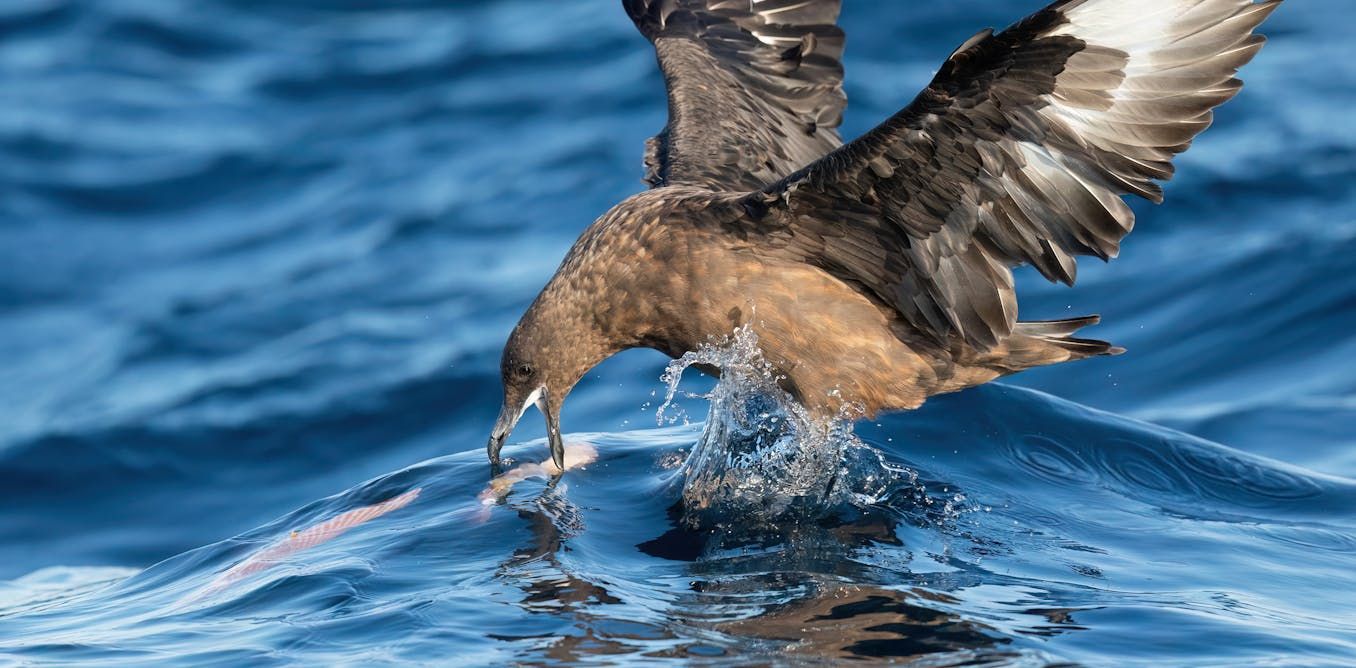
The initial detection on the Australian mainland occurred when a brown skua, a sub-Antarctic migratory seabird, was found sick at Cape Le Grand National Park near Esperance in Western Australia on June 14 and subsequently died. Further testing by the CSIRO's Australian Centre for Disease Preparedness confirmed the H5N1 virus. A second sick bird, a giant petrel found in the same vicinity, has also tested positive for the disease at a WA government laboratory, with confirmation by the CSIRO lab underway.
While this is the first confirmed detection of the globally circulating H5N1 (clade 2.3.4.4b) on mainland Australia, the virus had previously been confirmed on Australia's remote Heard Island, a sub-Antarctic external territory, in late 2025. On Heard Island, the disease caused widespread mortality, including an estimated 13,000 southern elephant seal pups and hundreds of adult king penguins during the 2025-2026 summer breeding season, as Australian Antarctic Program scientists finalized their findings. Experts suggest the virus's entry into mainland Australia came unexpectedly from the south, carried by seabirds migrating from Antarctica and subantarctic islands, rather than the long-anticipated Asian migratory flyways.
Australian federal and state agriculture ministers, including Julie Collins, have addressed the situation, emphasizing that there is currently no evidence of mass mortalities in wild birds on the mainland, nor any detection in commercial poultry farms or livestock. Enhanced surveillance, biosecurity measures, and response activities are actively being implemented in Western Australia and other states like Victoria to monitor and contain any potential spread. Australia has a history of successfully managing bird flu outbreaks, though these historically involved different strains, primarily H7 viruses, which were contained through culling and biosecurity measures. This H5N1 strain, however, presents a new and greater challenge due to its higher contagiousness and broader host range, affecting a much wider variety of species and spreading more quickly, including between mammals and across continents.
The risk of H5N1 bird flu to humans in Australia is currently assessed as low. Human infections with avian influenza viruses are rare and typically occur due to close, direct, or indirect exposure to infected birds or contaminated environments, such as poultry farms, live bird markets, or areas with sick or dead wild birds and marine mammals. Person-to-person transmission of H5N1 has been exceedingly rare and unsustained globally. Australia did report a travel-associated human H5N1 case in 2024, involving a child who likely acquired the infection overseas (from India) and later recovered. However, this was a different H5N1 clade (2.3.2.1a) and not the globally rampant 2.3.4.4b strain now detected in wild birds.
Globally, between January 1 and August 4, 2025, 26 human infections with avian influenza A(H5N1) viruses were detected globally, with 11 resulting in death, primarily in Cambodia, India, and Mexico. Since 2003, more than 1000 cases of human infections with avian influenza A viruses have been reported, with an approximate 50% case fatality rate, although this rate is likely an overestimate due to unreported milder cases. The World Health Organization (WHO) and Centers for Disease Control and Prevention (CDC) continue to monitor the situation closely, emphasizing the importance of surveillance for any viral mutations that could facilitate human-to-human transmission, which remains the primary concern for a potential pandemic.
For the audience in India, it's important to note that India has reported outbreaks of H5N1 in poultry farms annually since it was first reported in 2006, and sporadic human cases have occurred. The most recent human case of avian influenza in India was in May 2024 (H9N2) in a four-year-old child in West Bengal, who recovered fully. A fatal H5N1 infection was reported in a boy in Haryana in July 2021. Indian scientists are actively modeling potential H5N1 outbreaks in humans due to the persistent threat. The risk in India, similar to global assessments, remains low for the general public but higher for individuals with direct exposure to infected poultry or environments, such as those working in poultry farming or related businesses. Vaccination of chicks against avian influenza, specifically H5N1, is not currently permitted in India, despite being used in some other countries.
Preventive measures for humans globally, and in India, include avoiding direct contact with sick or dead birds and animals, practicing good hygiene (frequent hand washing with soap and water for at least 20 seconds), and thoroughly cooking poultry and eggs to proper temperatures to destroy the virus. It is also advised to avoid raw dairy products. Authorities urge the public to report any sightings of sick or dead birds to emergency hotlines to aid in ongoing surveillance efforts and prevent further spread. The global spread of H5N1 underscores the need for continued vigilance and a collaborative "One Health" approach to manage the interconnected risks to wildlife, livestock, and public health.
Frequently Asked Questions
What is H5N1 bird flu and why is its arrival in Australia significant?
H5N1 is a highly pathogenic strain of avian influenza that has caused a global animal pandemic since 2021, leading to millions of bird deaths and affecting various mammals. Its detection in Australia is significant because it marks the first time this specific, aggressive strain (clade 2.3.4.4b) has been found on every continent, ending Australia's status as the last major landmass free of it.
What is the risk of H5N1 bird flu to humans in Australia and globally?
The risk of H5N1 bird flu to humans in Australia is currently assessed as low. Globally, human infections are rare and primarily occur through close contact with infected animals or contaminated environments. Person-to-person transmission is exceptionally rare and has not been sustained.
How does H5N1 bird flu spread, and what are the symptoms in humans?
H5N1 primarily spreads among birds and can spill over to mammals through direct or indirect contact with infected animals, their bodily fluids (like saliva, feces), or contaminated environments. In humans, symptoms can range from mild to severe, including fever, cough, sore throat, muscle aches, shortness of breath, and conjunctivitis (pink eye).
What measures are being taken to control the H5N1 outbreak in Australia?
Australian authorities are implementing enhanced surveillance and biosecurity measures. This includes monitoring wild bird populations, urging the public to report sick or dead birds, and preparing response plans to prevent the spread to commercial poultry and other wildlife. Culling and other containment strategies have been used in past outbreaks of other bird flu strains.
Has India seen H5N1 cases, and what is its current status?
Yes, India has reported annual outbreaks of H5N1 in poultry farms since 2006, along with sporadic human cases. The country recorded a fatal human H5N1 case in July 2021 and an H9N2 case in May 2024. Indian scientists are actively modeling potential human outbreaks, and while the general public risk remains low, individuals with direct animal exposure face higher risk.