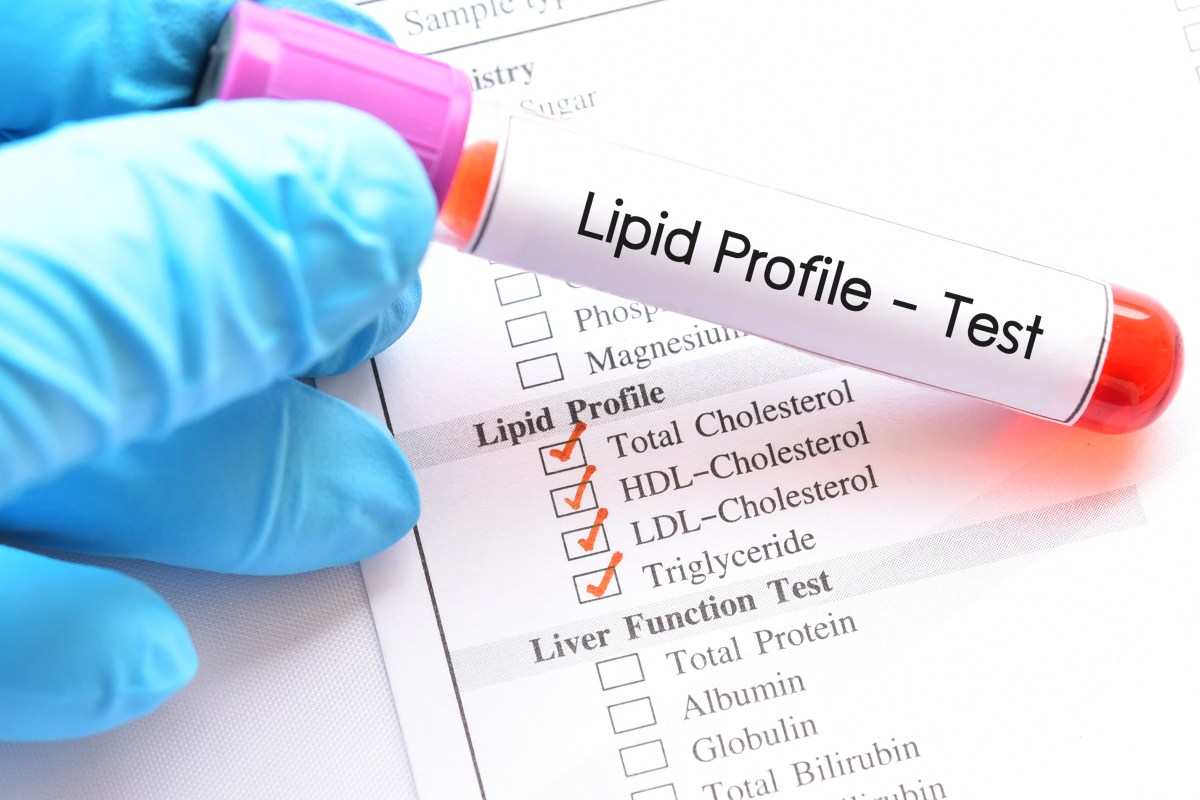
New Heart Guidelines: Cholesterol Screening Recommended from Age 19
Updated 2026 heart health guidelines from the American Heart Association and American College of Cardiology advise cholesterol checks from age 19 and every five years thereafter. These global recommendations emphasize early detection and proactive management, particularly relevant for South Asians due to their elevated cardiovascular risk. The new guidelines aim to reduce lifelong risk of heart disease and stroke.
Key Highlights
- Cholesterol screening now recommended from age 19, repeated every five years.
- Guidelines from American Heart Association and American College of Cardiology.
- New risk assessment tool: AHA PREVENT-ASCVD calculator introduced.
- Highlights higher cardiovascular risk for South Asian populations.
- Emphasizes early lifestyle changes and statin consideration in younger adults.
- Reintroduces specific LDL cholesterol targets for risk categories.
New, comprehensive heart health guidelines released by the American Heart Association (AHA) and the American College of Cardiology (ACC) in March 2026 recommend that individuals begin cholesterol screening as early as age 19, with repeat testing every five years. These updated '2026 dyslipidaemia management guidelines' represent a significant shift towards earlier and more proactive cardiovascular risk assessment and management globally. The recommendations are widely followed by medical professionals worldwide, underscoring their international impact.
The core of these new guidelines is a strong emphasis on reducing lifetime exposure to elevated atherogenic lipoproteins, aiming to prevent heart attacks and strokes before they manifest. Previously, cholesterol screening was often recommended to begin at age 40. The new guidance stresses that high cholesterol can silently damage blood vessels over decades, increasing the long-term risk of cardiovascular disease. Early detection through screening allows for timely lifestyle interventions and, when necessary, targeted treatment strategies.
A pivotal change in the 2026 guidelines is the introduction of a new risk assessment tool, the AHA PREVENT-ASCVD risk calculator. This tool replaces older models, such as the Pooled Cohort Equations, which were found to overestimate the 10-year risk of heart attack and stroke. The PREVENT-ASCVD calculator is designed for adults aged 30 to 79 and estimates both 10-year and 30-year risk of developing atherosclerotic cardiovascular disease (ASCVD), offering a more nuanced and accurate risk stratification.
The guidelines also reintroduce specific LDL-cholesterol goals, which were less emphasized in previous versions. For individuals at borderline or intermediate risk, an LDL-C target below 100 mg/dL is now recommended. For high-risk individuals, the goal drops to below 70 mg/dL, and for those who have already experienced a heart attack or stroke and are at very high risk, the target is even lower, below 55 mg/dL.
Beyond basic lipid panels, the updated guidelines encourage selective use of additional tests. Measuring lipoprotein(a) (Lp(a)), a genetically determined cholesterol-carrying lipoprotein, is recommended at least once in adulthood, as high levels are linked to significantly increased long-term heart attack and stroke risk. Furthermore, coronary artery calcium (CAC) scans, non-contrast imaging tests that detect early plaque buildup in heart arteries, are recommended for men over 40 and women over 45 with borderline or intermediate risk, to help decide on statin therapy initiation.
From an Indian perspective, these guidelines are particularly significant and relevant. The updated recommendations identify South Asian ancestry as a "risk enhancer" for cardiovascular disease. Indian experts, including Dr. Ambuj Roy, professor in cardiology at AIIMS, and Dr. Anoop Misra of Fortis Healthcare, have highlighted that people of South Asian origin often develop heart disease earlier, sometimes at lower cholesterol levels, and may experience worse outcomes. They advocate for earlier screening and more aggressive cholesterol management for Indians.
Existing Indian guidelines from bodies like the Cardiological Society of India (CSI) and Lipid Association of India (LAI) also acknowledge the distinct patterns of dyslipidemia in Indian subjects, such as higher triglyceride levels, lower HDL-C, and a greater prevalence of atherogenic small, dense LDL particles. These national guidelines reinforce the need for India-specific approaches to lipid management and cardiovascular risk assessment.
The new AHA/ACC guidelines also advise considering statin therapy earlier in life, specifically for adults aged 30 and above who have LDL cholesterol levels of 160 mg/dL or higher, a strong family history of premature heart disease, or a high long-term risk of developing cardiovascular disease based on the PREVENT calculator. Lifestyle modifications, including diet and exercise, remain the cornerstone of initial prevention, but statins are emphasized as safe and effective for those at higher risk.
Overall, the 2026 guidelines represent a crucial pivot towards a lifelong approach to cardiovascular health, empowering individuals and healthcare providers to take proactive steps to prevent heart disease from a younger age. The explicit recognition of elevated risk in South Asian populations makes these recommendations critically important for public health in India.
Frequently Asked Questions
What are the new heart guidelines regarding cholesterol screening?
The new 2026 guidelines from the American Heart Association (AHA) and American College of Cardiology (ACC) recommend that adults begin cholesterol screening at age 19, with subsequent checks every five years.
Why is it important to start cholesterol checks at age 19?
Starting cholesterol checks at age 19 is crucial for early detection of high cholesterol, which often has no symptoms but can silently damage blood vessels over decades. Early identification allows for timely lifestyle changes and interventions to reduce the lifelong risk of heart attacks and strokes.
How often should cholesterol be checked according to the new guidelines?
According to the updated guidelines, adults should undergo cholesterol screening at age 19 and repeat the test at least once every five years. More frequent checks may be recommended based on individual risk factors.
Are these new heart guidelines particularly relevant for people in India?
Yes, the guidelines are highly relevant for people in India. They specifically identify South Asian ancestry as a 'risk enhancer' for cardiovascular disease, noting that South Asians often develop heart disease earlier and experience worse outcomes. Indian medical experts emphasize the need for earlier screening and proactive management in the Indian population.
What other key changes do the 2026 heart guidelines introduce?
Beyond earlier screening, the guidelines introduce the AHA PREVENT-ASCVD risk calculator, re-establish specific LDL cholesterol targets based on risk, emphasize starting statin therapy earlier in life for high-risk individuals (e.g., from age 30), and recommend additional tests like Lp(a) screening and Coronary Artery Calcium (CAC) scans for more comprehensive risk assessment.