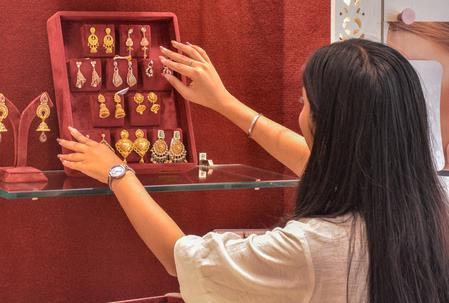
India Imposes Import Curbs on Silver, Shifts to Restricted Category
India has imposed restrictions on silver imports, moving key categories to a "restricted" policy regime. This move follows a significant increase in import duties on precious metals and aims to curb inflows, manage the trade deficit, and conserve foreign exchange. Specific categories, including 99.9% purity silver bars, now require government authorization for import.
Key Highlights
- Silver imports now require government authorization.
- Key silver categories moved from 'free' to 'restricted'.
- Move follows recent hike in import duties on precious metals.
- Aims to curb import bill and manage trade deficit.
- 99.9% purity silver bars now under restricted category.
The Indian government has implemented significant import curbs on silver, reclassifying several categories from the "free" import policy to a "restricted" one with immediate effect. This decisive action, announced through a notification by the Directorate General of Foreign Trade (DGFT), signals a broader strategy to tighten oversight on precious metal inflows and manage the nation's escalating import bill and trade deficit.
The revised policy mandates that imports of silver bars, particularly those with 99.9% or higher purity, along with other specified semi-manufactured silver forms, will now necessitate prior government authorization. This includes categories like silver bars under ITC HS Codes 71069221 and 71069229, which were previously importable freely, subject only to Reserve Bank of India (RBI) regulations.
This development comes in close succession to a substantial hike in import duties on precious metals. On May 13, 2026, the government increased the import duty on gold and silver from 6% to 15%, a move aimed at discouraging non-essential imports and conserving foreign exchange reserves, especially in light of geopolitical tensions in West Asia and rising global commodity prices.
The government's objective behind these measures is multifaceted. Primarily, it aims to reduce the country's current account deficit and alleviate pressure on the Indian Rupee, which has been weakening against the US dollar due to factors like high crude oil prices and global risk aversion. By controlling precious metal imports, the government seeks to limit foreign exchange outflows and prioritize essential imports.
The DGFT notification specified that goods under the restricted category require a government license for imports, effectively placing procedural control over the volume and pace of silver entering the country. This measure is a calculated step to strengthen regulatory monitoring across the bullion sector and deter excessive imports.
Furthermore, the government has also tightened norms for duty-free gold imports under the Advance Authorisation (AA) scheme, capping such imports at 100 kg per license and introducing mandatory physical inspections for first-time applicants. These actions collectively underscore a coordinated policy effort to regulate the precious metals market more closely.
India is a significant consumer and importer of silver, with strong demand from jewellery, investment, and industrial sectors like solar, electric vehicles, and electronics. The recent surge in silver imports, which more than doubled to $411.06 million in April 2026, highlighted the need for tighter controls.
These import curbs and duty hikes have also occurred in the backdrop of Prime Minister Narendra Modi's recent appeal to citizens to reduce gold purchases for a year. While this advisory was aimed at conserving foreign exchange amid global economic uncertainties, the government's subsequent policy actions suggest a more direct intervention in managing precious metal inflows. The industry has expressed concerns about the potential impact on sales, jobs, and liquidity, especially for small and mid-sized firms.
In summary, the Indian government's decision to impose import curbs on silver, coupled with increased duties, represents a significant policy shift designed to address economic vulnerabilities. It reflects a determined effort to manage trade deficits, stabilize the currency, and exercise greater control over the inflow of precious metals into the country, while also aligning with broader economic discipline narratives.
Frequently Asked Questions
Why has India imposed restrictions on silver imports?
India has imposed restrictions on silver imports as part of broader measures to tighten oversight of precious metal inflows, manage the country's rising import bill, control the current account deficit, and conserve foreign exchange reserves, especially amid global economic uncertainties and geopolitical tensions.
What does it mean for silver categories to be moved from 'free' to 'restricted'?
Moving silver categories from 'free' to 'restricted' means that importers will now require prior government authorization or a license to bring these silver products into India. This gives the government greater control over the volume and pace of imports.
Does this affect all silver imports into India?
The restrictions primarily target specific categories of silver, including silver bars of 99.9% purity and other semi-manufactured silver forms. While imports by certain export-oriented units might be exempted under specific conditions, most inbound shipments will now face stricter regulations.