Gig Economy Reality: A Day as Zomato, Blinkit, Swiggy Delivery Worker in India | Quick Digest
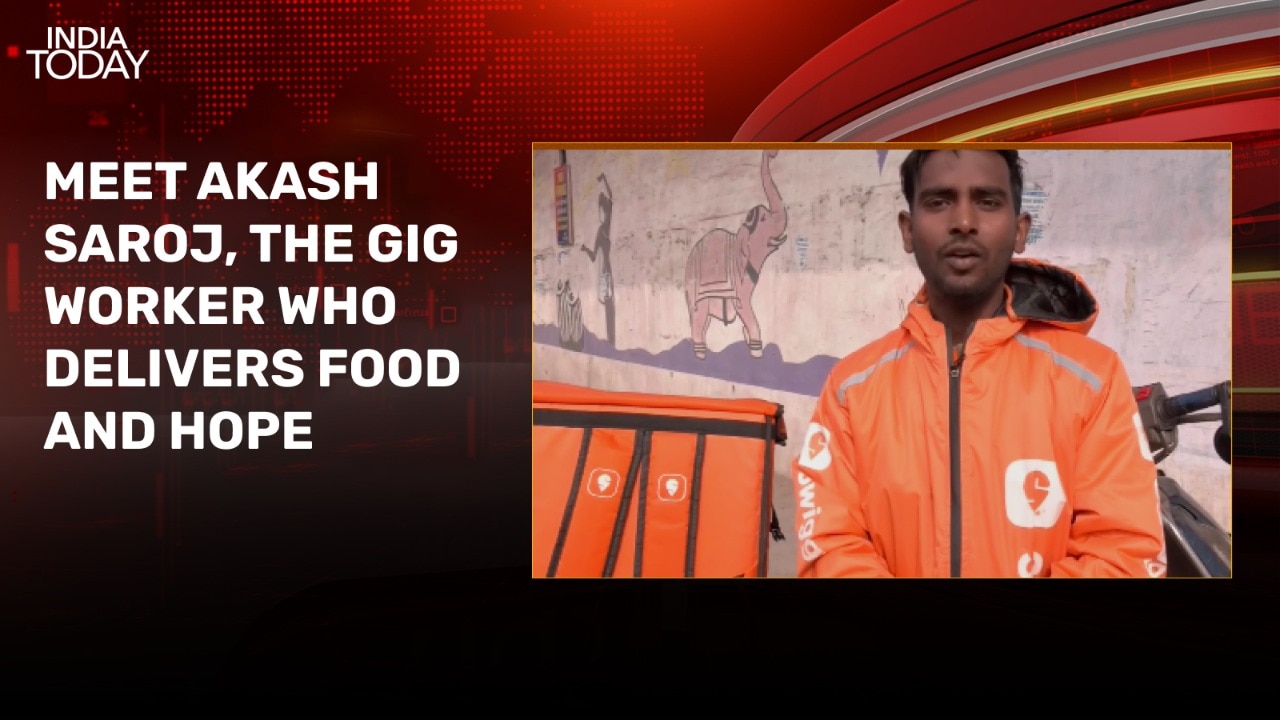
An Indian Express reporter's firsthand account as a delivery worker reveals harsh realities of India's gig economy, including low pay, long hours, and precarious working conditions on platforms like Zomato, Blinkit, and Swiggy, contrasting with company claims.
Reporter earned Rs 34/hour, significantly below minimum wage, after fuel costs.
Swiggy's penalty system for declining orders negatively impacted earnings.
Gig workers face job insecurity, income instability, and lack of social security.
Government intervened, urging quick commerce firms to drop '10-minute delivery' promises.
Nationwide strikes highlight demands for better pay and safer working conditions.
Gig economy expected to employ 23.5 million workers by 2029-30 in India.
An Indian Express journalist, Soumyarendra Barik, undertook a three-day experiment, working as a delivery partner for Zomato, Blinkit, and Swiggy, providing a stark look into the realities of India's booming gig economy. Over 15 hours, covering 105 km and completing 23 deliveries, his total earnings were Rs 782. After deducting Rs 250 for fuel, his net hourly wage was approximately Rs 34, which is considerably below the minimum wage standards for formal sectors and doesn't account for other expenses like vehicle maintenance or phone bills.
The report highlights how platform policies, such as Swiggy's Rs 30 penalty for each declined order, further diminish worker earnings. This personal experience directly contrasts with claims made by Zomato CEO Deepinder Goyal, who stated average hourly earnings for Zomato and Blinkit workers in 2025 were Rs 102, translating to roughly Rs 21,000 net per month for those working 10 hours daily, 26 days a month. The article suggests achieving such figures would necessitate "impossibly long hours" and strategic logging in during peak times.
This investigative piece corroborates broader concerns about the precarious nature of gig work in India, where millions of workers face job insecurity, income volatility, and a critical lack of social security benefits, paid leave, and legal protection. The story comes amidst increasing scrutiny and activism surrounding quick commerce, particularly the controversial '10-minute delivery' model. The Indian government recently intervened, prompting major quick commerce players like Blinkit and Swiggy to drop this aggressive branding due to mounting concerns over worker safety and stress. Nationwide strikes by gig workers have also underscored demands for fairer pay, improved working conditions, and social security. The gig economy in India is projected to expand significantly, employing an estimated 23.5 million people by 2029-30, making the welfare of these workers a critical national issue.
Read the full story on Quick Digest