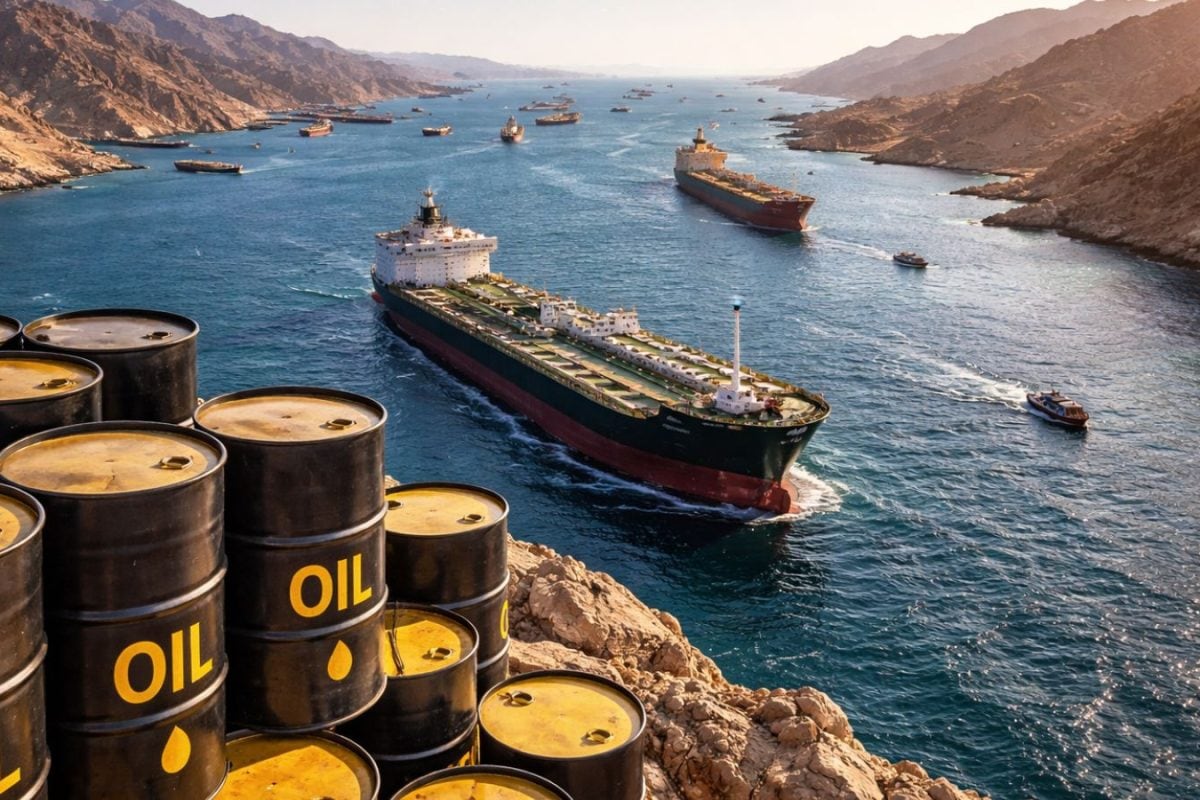
Iran War Disrupts Global Commodities Beyond Oil, Impacting India
The ongoing conflict involving Iran has significantly disrupted global commodity markets, extending beyond oil and gas to impact critical sectors like fertilizers, aluminum, chemicals, and semiconductors. Disruptions to the Strait of Hormuz are causing widespread supply chain issues, affecting shipping costs and availability, with potential implications for India's economy.
Key Highlights
- Iran conflict causes major disruptions in global commodity markets.
- Strait of Hormuz closure impacts shipping, increasing costs and delays.
- Fertilizer shortages threaten global food security and prices.
- Semiconductor materials and chemicals also face supply chain risks.
- India's economy and consumers may face higher prices and shortages.
The escalating military conflict involving Iran has triggered significant disruptions across a wide array of global commodity markets, extending far beyond the initial focus on oil and gas. The closure of the Strait of Hormuz, a critical chokepoint for international trade, is at the heart of these disruptions, leading to heightened shipping costs, longer transit times, and fears of widespread supply shortages. The impact is being felt across various sectors, with profound implications for the global economy, including for India.
**Impact on Key Commodities:**
* **Fertilizers:** The disruption to the Strait of Hormuz, through which approximately one-third of globally traded urea and significant amounts of other fertilizers pass, is a major concern. This disruption threatens agricultural supply chains, with potential for increased food prices globally. Countries heavily reliant on fertilizer imports, particularly developing economies, are at higher risk. The timing of these disruptions, coinciding with the Northern Hemisphere's spring planting season, exacerbates the issue, potentially impacting crop yields and future harvests.
* **Aluminum:** Prices for aluminum have surged to four-year highs due to logistical hurdles and the halt in shipments from major aluminum smelters in the Persian Gulf. The region accounts for about 8% of the world's aluminum supply. Disruptions affect both the export of finished aluminum and the import of raw materials like bauxite and alumina, forcing smelters to consider shutdowns.
* **Chemicals:** The conflict has led to price hikes for essential chemicals such as methanol, urea, ammonia, sulfur, styrene, and polymers. Disruptions to feedstock supplies and transportation routes, particularly through the Strait of Hormuz, are tightening global supplies. This poses a risk to various industries, including manufacturing and agriculture.
* **Helium and Semiconductors:** The semiconductor industry faces potential disruptions due to the impact on the supply of critical materials like helium, which is essential for chip manufacturing processes. Qatar, a major helium supplier, is impacted by the conflict, raising concerns about potential shortages and increased production costs for semiconductors. This could affect the availability and price of electronic devices.
* **Shipping and Logistics:** The conflict has led to major shipping companies implementing emergency fees and fuel surcharges, significantly increasing transportation costs. Rerouting vessels around the Cape of Good Hope adds considerable time and expense to journeys. Air cargo capacity has also been affected, with airlines rerouting flights away from the region, leading to higher air freight rates.
**Implications for India:**
India, with its significant reliance on international trade and its position in global supply chains, is vulnerable to these disruptions. The increased cost of shipping, potential shortages of essential commodities like fertilizers, and the impact on chemical and industrial raw material prices could affect various sectors of the Indian economy. Specifically, higher fertilizer prices could lead to increased costs for Indian farmers, potentially impacting food production and prices for consumers. The disruption to shipping lanes also affects the movement of Indian exports and imports, potentially leading to delays and increased costs for businesses across the country. Retailers have already begun chartering cargo flights to transport essential food items, indicating the strain on traditional supply chains.
**Economic and Inflationary Pressures:**
The widespread commodity disruptions are contributing to global inflationary pressures and concerns about economic growth. The surge in energy prices, coupled with the tightening of supply for other essential goods, is expected to weigh on consumer spending and industrial production. While the direct economic impact of the Middle East on global GDP is relatively small, the interconnectedness of global supply chains means that regional instability can have far-reaching consequences. The duration of the conflict will be a key determinant of the long-term economic impact.
Frequently Asked Questions
What is the main reason for the disruption of global commodities?
The primary cause is the ongoing military conflict involving Iran, which has led to the disruption of key shipping routes, particularly the Strait of Hormuz. This chokepoint is vital for the transit of oil, gas, and many other essential commodities.
How does the Iran conflict affect fertilizer prices and food security?
The Strait of Hormuz is a critical route for fertilizer exports. Disruptions here have led to price surges for fertilizers like urea, directly impacting agricultural costs. This can translate into higher global food prices and threaten food security, especially in import-dependent nations.
Are semiconductors and other industrial materials affected by this conflict?
Yes, the conflict poses risks to the supply of critical materials for semiconductor manufacturing, such as helium, which is sourced from regions affected by the tensions. This could lead to increased production costs and potential shortages in the electronics industry. Other industrial materials like aluminum and various chemicals are also experiencing price hikes and supply chain issues.
What is the impact of these disruptions on global shipping and logistics?
Shipping companies are implementing emergency surcharges and rerouting vessels to avoid conflict zones, significantly increasing transportation costs and transit times. This affects both sea and air cargo, with potential ripple effects on the prices of consumer goods worldwide.
How might the Iran conflict specifically impact India?
India, being a major trading nation, is vulnerable to increased shipping costs, potential shortages of imported goods like fertilizers, and higher prices for consumer products. The disruptions could affect agricultural output, industrial production, and overall inflation within India.