Dengue in Children: Early Signs, Fast Action, and When to Seek Help
Dengue fever in children can present with mild, flu-like symptoms that parents might overlook. Recognizing early signs and knowing when to act fast is crucial to prevent the condition from worsening into severe dengue, which requires immediate medical attention.
Key Highlights
- Dengue symptoms in children often mimic common viral infections, making early diagnosis challenging.
- High fever, body aches, and fatigue are common initial signs.
- Severe dengue can develop as fever subsides, presenting with alarming warning signs.
- Parents must monitor for persistent vomiting, severe abdominal pain, and bleeding.
- Hydration and paracetamol are key for mild cases, avoiding aspirin/ibuprofen.
- India experiences a significant burden of dengue, making public awareness vital.
Dengue fever, a mosquito-borne viral infection, poses a significant health challenge, especially for children in tropical and subtropical regions like India. The article from Moneycontrol, focusing on 'Symptoms of dengue in children: Early signs parents often miss, how to act fast before condition worsens,' addresses a critical public health concern. While the exact publication date of the Moneycontrol article could not be precisely determined through real-time search, the claims regarding dengue symptoms in children and the urgency of early intervention are consistent with information from leading health organizations and medical institutions globally and within India.
**Understanding Dengue in Children: Early Signs Often Missed**
Many people, including children, infected with the dengue virus may experience mild or no symptoms, making diagnosis difficult. When symptoms do appear, they often resemble those of a common cold or influenza, contributing to parents potentially missing early warning signs. Symptoms typically manifest 4-10 days after an infected mosquito bite and can last for 2-7 days.
Common early symptoms of dengue in children include a sudden high fever, often reaching 39-40°C (102-104°F), which can persist for several days. Children may also exhibit severe headaches, pain behind the eyes (retro-orbital pain), intense muscle and joint pain (often termed 'break-bone fever'), fatigue, weakness, nausea, vomiting, loss of appetite, and a skin rash. Younger children might express discomfort through increased irritability, crankiness, refusal to eat, or excessive sleepiness rather than articulating specific body aches. A faint, transient rash or flushed skin can also be an early indicator.
**The Critical Phase and Warning Signs of Severe Dengue**
The most dangerous aspect of dengue is the potential progression to severe dengue, also known as Dengue Hemorrhagic Fever (DHF) or Dengue Shock Syndrome (DSS). This critical phase often occurs as the high fever subsides, typically between the third and seventh day of illness. Parents must remain vigilant during this period, even if the child appears to be improving, as this is when life-threatening complications can rapidly develop.
Warning signs of severe dengue that necessitate immediate medical attention include: severe and persistent abdominal pain, continuous vomiting (especially with blood), rapid or difficult breathing, bleeding from the gums or nose, blood in vomit or stool, extreme fatigue, restlessness or irritability, cold and clammy skin, paleness, being very thirsty, and feeling weak. A sudden drop in body temperature despite ongoing illness, along with pale, cold hands and feet, is also a red flag. Dehydration is another significant concern, presenting with signs like dry mouth, tongue, and lips, few or no tears when crying, sunken eyes, decreased urination, and unusually sleepy or fussy behavior. Children who have had dengue before are at a higher risk of developing severe dengue upon subsequent infection with a different serotype of the virus.
**How to Act Fast: Home Care and Medical Intervention**
There is no specific antiviral treatment for dengue fever. Management primarily focuses on supportive care to alleviate symptoms and prevent complications. For mild cases, home care is often sufficient and involves several key actions:
1. **Rest:** Encourage the child to rest as much as possible.
2. **Hydration:** Maintaining adequate fluid intake is crucial, especially during the critical phase when fever subsides. Offer plenty of water, oral rehydration solutions (ORS), homemade clear soups, fruit juices, and coconut water. Avoid aerated beverages. Monitoring urination frequency (clear urine at least once every 4-6 hours) can indicate good hydration.
3. **Fever and Pain Management:** Administer paracetamol (acetaminophen) to control fever and relieve pain, strictly following dosage instructions. **Crucially, avoid giving aspirin, ibuprofen, or other non-steroidal anti-inflammatory drugs (NSAIDs), as these can increase the risk of bleeding complications in dengue patients**. Sponge baths with cool water can also help reduce fever.
4. **Nutrition:** Offer simple, non-spicy, comfort foods, even if the child's appetite is reduced. Focus on hydration over forcing solid food if the child is reluctant to eat.
5. **Monitoring:** Continuously observe the child for any of the warning signs of severe dengue. Keep a doctor's contact information readily available and do not hesitate to seek urgent medical attention if any warning signs appear, if the fever lasts more than two days without improvement, or if the child refuses fluids or vomits excessively. Laboratory tests are essential for confirming dengue diagnosis.
**Dengue in India: A Persistent Threat**
Dengue is hyperendemic in India, with outbreaks becoming more frequent since the 1990s. The country experiences a significant burden of dengue cases, with estimates suggesting India accounts for a third of the world's 100-400 million infections annually. Various regions, including Delhi, Uttar Pradesh, Haryana, Punjab, Gujarat, Karnataka, Kerala, Tamil Nadu, and Orissa, have reported high incidences. Climate change, leading to higher temperatures and altered monsoon patterns, is predicted to exacerbate dengue incidence and mortality in areas like Pune. The prevalence of laboratory-confirmed dengue infection among clinically suspected patients in India has been reported at 38.3%. Therefore, public awareness, early detection, and prompt action are paramount for managing dengue in the Indian context.
**Prevention**
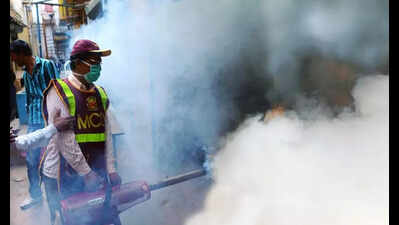
The best way to prevent dengue is to avoid mosquito bites. This involves using mosquito repellents, wearing protective clothing, ensuring screens on windows and doors, and eliminating mosquito breeding sites (stagnant water in and around homes). Using bed nets for sick individuals can also prevent further spread by mosquitoes.
In conclusion, recognizing the subtle early signs of dengue in children, understanding the critical phase, and knowing when to seek immediate medical help are vital for parents and caregivers to ensure timely management and prevent severe outcomes. The information presented aligns with global and national health guidelines, reinforcing the importance of vigilance and appropriate care.
Frequently Asked Questions
What are the earliest signs of dengue fever in children that parents might miss?
Early dengue symptoms in children can be subtle and easily mistaken for a common cold or flu. These include a sudden high fever (39-40°C), increased irritability or crankiness in younger children, reduced appetite, and sometimes a faint, transient rash or flushed skin. They may also experience fatigue and general body aches without being able to articulate them clearly.
What are the warning signs of severe dengue, and when should I seek immediate medical help for my child?
Warning signs of severe dengue usually appear as the fever subsides (typically between days 3-7). Seek immediate medical help if your child exhibits severe abdominal pain, persistent vomiting (especially with blood), rapid or difficult breathing, bleeding from gums or nose, blood in vomit or stool, extreme fatigue, restlessness or irritability, cold and clammy skin, or signs of dehydration (dry mouth, sunken eyes, decreased urination).
What medications should be given or avoided for fever and pain in children with dengue?
For fever and pain in children with dengue, only paracetamol (acetaminophen) should be given, strictly adhering to the recommended dosage. It is crucial to AVOID aspirin, ibuprofen, and other non-steroidal anti-inflammatory drugs (NSAIDs) as they can increase the risk of bleeding complications.
How important is hydration for a child with dengue, and what fluids are recommended?
Hydration is extremely important for a child with dengue, especially during the critical phase when the fever starts to drop. Encourage plenty of fluids like water, oral rehydration solutions (ORS), homemade clear soups, fruit juices, and coconut water. Avoiding aerated drinks is advised.
Is dengue a significant concern in India, and what are the general prevention measures?
Yes, dengue is a significant and increasing concern in India, with the country experiencing a high burden of cases annually across various regions. Prevention involves reducing mosquito bites by using repellents, wearing protective clothing, using window screens, and eliminating mosquito breeding sites (stagnant water) around homes.