Israel-Lebanon sign US-brokered deal; Hezbollah warns of conflict
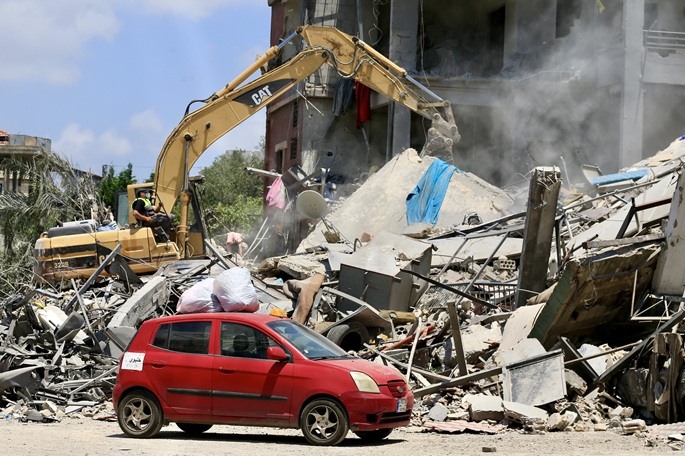
Israel and Lebanon have signed a US-brokered framework agreement aimed at de-escalating tensions. The deal involves minor Israeli military withdrawals from contested areas. However, Hezbollah has expressed strong opposition, warning of potential civil unrest.
Key Highlights
- Israel and Lebanon sign US-brokered framework agreement.
- Deal involves minor Israeli military withdrawals.
- Hezbollah warns of civil war due to the agreement.
- US plays a key role in mediating the talks.
- Tensions remain high despite the agreement.
A significant framework agreement has been reached between Israel and Lebanon, brokered by the United States, marking a crucial step in de-escalating long-standing tensions along their shared border. The agreement, finalized after several days of intensive talks in Washington D.C., reportedly involves minor withdrawals of Israeli forces from disputed territories. This development, while hailed by some as a positive move towards peace, has been met with strong opposition from Hezbollah, a powerful Lebanese political party and militant group, which has issued stark warnings of potential civil war.
The negotiations, facilitated by U.S. officials, focused on addressing contentious border demarcations and security concerns that have historically fueled conflict between the two nations. The specifics of the withdrawal are still under discussion and implementation, but the underlying aim is to create a more stable security environment and reduce the risk of accidental escalation. The U.S. has consistently played a mediating role in regional conflicts, and this agreement is seen as a testament to its diplomatic efforts in the Middle East.
However, the reaction from Hezbollah introduces a significant layer of complexity and potential instability. The group, which holds considerable political and military influence in Lebanon, has vehemently rejected the framework agreement. Hezbollah's leadership has characterized the deal as detrimental to Lebanon's interests and sovereignty, fueling fears of internal division and conflict within Lebanon itself. Their warnings of civil war underscore the deep political fissures within the country and the challenges of achieving lasting peace when powerful non-state actors are not fully aligned with the governmental agreements.
The historical context of the Israeli-Lebanese border is fraught with conflict. Decades of intermittent clashes, including significant wars and skirmishes, have left a legacy of mistrust and animosity. The presence of Hezbollah, which is designated as a terrorist organization by several countries, including Israel and the United States, further complicates the security landscape. Hezbollah's military capabilities and its deep-rooted opposition to Israel mean that any agreement that does not have its full buy-in is likely to face significant challenges in its implementation and long-term success.
From an Indian perspective, this development in the Middle East holds considerable relevance. India has historically maintained a balanced foreign policy in the region, engaging with both Israel and Arab nations, including Lebanon. Regional stability in the Middle East is crucial for India, given its substantial energy imports and the large Indian diaspora working in the Gulf countries. Any escalation of conflict or internal strife in Lebanon could have ripple effects on regional stability, impacting oil prices, trade routes, and the safety of Indian expatriates. Therefore, developments like this framework agreement, and the potential for its disruption by groups like Hezbollah, are closely watched by India's policymakers and strategic analysts.
The information provided by Hindustan Times aligns with reports from other major international news outlets such as Al Jazeera, The Times of Israel, BBC, and NDTV. These sources corroborate the core details of the agreement and Hezbollah's strong rejection. The nuances of the agreement, particularly the exact nature of the Israeli withdrawal and the full implications of Hezbollah's stance, will continue to be a focus of international attention and reporting. The U.S. diplomatic engagement in brokering such deals highlights its ongoing commitment to seeking peaceful resolutions to protracted conflicts in the region. The future trajectory of this agreement will depend heavily on how internal Lebanese politics evolve and whether the concerns raised by Hezbollah can be adequately addressed, or if their opposition will indeed lead to further instability.
Frequently Asked Questions
What is the main objective of the Israel-Lebanon framework agreement?
The main objective of the agreement is to de-escalate tensions along the shared border between Israel and Lebanon and to foster greater stability in the region through minor Israeli military withdrawals from contested areas.
Who brokered the agreement between Israel and Lebanon?
The framework agreement was brokered by the United States, with intensive talks held in Washington D.C. facilitated by U.S. officials.
What is Hezbollah's stance on the agreement?
Hezbollah has strongly rejected the framework agreement, warning of potential civil war within Lebanon and viewing the deal as detrimental to the country's interests and sovereignty.
What is the historical context of the Israel-Lebanon border?
The Israel-Lebanon border has a history of conflict, including significant wars and skirmishes, marked by a deep mistrust between the two nations and the presence of powerful militant groups like Hezbollah.