Kuwait mistakenly shoots down 3 US F-15 jets amid Iran conflict
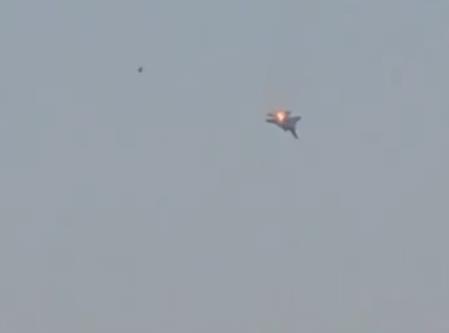
Three US F-15 fighter jets were mistakenly shot down by Kuwaiti air defenses during active combat operations amid escalating tensions with Iran. All six crew members ejected safely and were recovered in stable condition. The incident is under investigation, with Kuwait acknowledging the friendly fire event.
Key Highlights
- Kuwaiti air defenses mistakenly downed three US F-15 jets.
- All six crew members ejected safely and were recovered.
- The incident occurred during active combat operations against Iran.
- Kuwait has acknowledged the friendly fire and is cooperating with the investigation.
- This event highlights the heightened risks in the ongoing Iran-US conflict.
In a significant development amidst escalating Middle East tensions, three United States Air Force F-15E Strike Eagle fighter jets were mistakenly shot down by Kuwaiti air defenses on March 2, 2026. The incident, described as an apparent friendly fire event, occurred during active combat operations while the aircraft were supporting Operation Epic Fury against Iran.
According to statements from U.S. Central Command (CENTCOM), the Kuwaiti air defense systems mistakenly engaged the U.S. fighter jets amidst a barrage of attacks from Iranian aircraft, ballistic missiles, and drones. The U.S. military confirmed that all six aircrew members, two per aircraft, ejected safely, were recovered, and are in stable condition. Kuwait has acknowledged the incident, and U.S. officials expressed gratitude for the Kuwaiti defense forces' support in the ongoing operation.
The exact cause of the friendly fire incident is currently under investigation, with CENTCOM stating that additional information will be released as it becomes available. Visuals circulating on social media appear to show an F-15E Strike Eagle falling from the sky and crew members parachuting to safety over Kuwait. The crash sites were reportedly in the Al Jahra area of Kuwait, not far from the Ali Al Salem US Air Base.
This event underscores the volatile nature of the ongoing conflict between the United States, Israel, and Iran, which has seen widespread missile and drone attacks across the region. Reports indicate that explosions were heard in various Gulf cities, including Bahrain, Dubai, and Doha, as Iran launched retaliatory strikes. The conflict has also led to other significant events, such as an Indian national being killed in an attack on an oil tanker off Oman's coast.
The original article from The Times of India focuses on Iran sharing a video of a fighter jet engulfed in flames, claiming it was a U.S. F-15 shot down over Kuwait. While Iran's state media did initially claim an F-15 was shot down, subsequent official confirmations from the U.S. military clarified that the incident was a mistaken friendly fire event by Kuwaiti air defenses, not an intentional act by Iran. The headline's implication of Iran being the direct cause of the downing is thus misleading, as the primary cause was friendly fire. The video shared by Iran, however, does appear to show a U.S. F-15 crashing.
The news is of global significance due to the involvement of major world powers and the potential for wider regional conflict. For India, the situation is particularly concerning given its strong ties with the Middle East, potential economic impacts from oil supply disruptions, and the presence of a large Indian diaspora in the region. Prime Minister Narendra Modi has called for dialogue and diplomacy amidst the escalating crisis.
This incident is a critical reminder of the dangers inherent in high-intensity combat operations, where even advanced air defense systems can misidentify friendly assets under extreme pressure. The investigation will likely focus on the communication and identification protocols between Kuwaiti and U.S. forces during the heightened combat scenario. The broader geopolitical implications of this friendly fire incident, occurring within the context of a major regional war, are substantial, raising questions about coordination and trust among allied forces in a complex and rapidly evolving theater of operations. The incident also highlights the significant risk of collateral damage and unintended consequences in modern warfare, particularly in densely populated and strategically vital regions like the Persian Gulf. The potential for miscalculation and escalation remains a paramount concern, underscoring the need for de-escalation and clear communication channels to prevent further unintended tragedies. The economic ramifications for India, including potential surges in oil prices and disruptions to trade, are also a significant point of concern, as noted by Prime Minister Modi's emphasis on diplomacy. The dual-threat scenario—direct conflict with Iran and the unintended downing of allied aircraft—presents a complex challenge for U.S. military strategy and regional stability.
Frequently Asked Questions
What happened to the U.S. F-15 fighter jets?
Three U.S. Air Force F-15E Strike Eagle fighter jets were mistakenly shot down by Kuwaiti air defenses during active combat operations due to a friendly fire incident.
Were the pilots injured?
No, all six aircrew members (two per aircraft) ejected safely, were recovered, and are reported to be in stable condition.
Who was responsible for shooting down the jets?
U.S. Central Command confirmed that Kuwaiti air defense systems mistakenly engaged the U.S. aircraft during a period of intense combat involving Iranian attacks. Kuwait has acknowledged the incident.
What is the broader context of this incident?
The incident occurred amidst escalating tensions and active combat between the United States, Israel, and Iran, involving widespread missile and drone attacks across the Middle East.