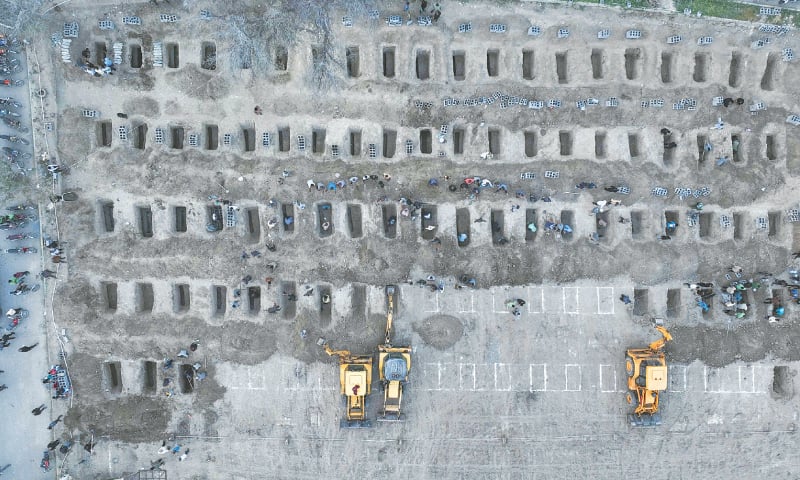
UN Disturbed by Iran School Strike Killing 160+ Children Amidst Escalating Conflict
The United Nations has expressed deep concern over a strike on the Shajareh Tayyebeh girls' school in Minab, Iran, which reportedly killed over 160 children. This incident occurred during escalating military actions involving the US and Israel against Iran, prompting widespread international condemnation and calls for investigation. The UN Committee on the Rights of the Child highlighted the gravity of targeting civilian infrastructure, emphasizing the need to protect children during wartime. The news has significant global implications, underscoring ongoing geopolitical tensions and humanitarian concerns in the Middle East.
Key Highlights
- UN experts alarmed by school bombing with over 160 children killed.
- Incident occurred during US and Israeli military attacks on Iran.
- International bodies condemn strike and call for prompt investigation.
- Focus on protecting children and civilian infrastructure in conflict zones.
- Geopolitical tensions rise amid escalating Middle East conflict.
A United Nations panel of experts has voiced profound disturbance following a strike on the Shajareh Tayyebeh girls' school in Minab, southern Iran, which reportedly resulted in the deaths of over 160 children. The incident occurred on Saturday, the first day of a concerted military campaign by the United States and Israel against Iran, a development that has significantly amplified existing geopolitical tensions in the Middle East. The UN Committee on the Rights of the Child issued a statement expressing alarm at reports of strikes on civilian infrastructure, including schools and hospitals, emphasizing that children must be protected from the ravages of war and that attacks on educational institutions endanger students and teachers, undermining the right to education.
Sources indicate that the Shajareh Tayyebeh school was hit during its morning session, a time when children are typically present for classes, given that Saturday is a working day in Iran. Verified videos and photographs from the aftermath depict extensive destruction, with the school building heavily damaged, rubble strewn across the street, and evidence of school bags and textbooks among the debris. The exact number of casualties has been subject to reporting variations, with Iranian state media initially reporting around 150-165 deaths, while UN experts cited reports of over 160 children killed. Some reports suggest the death toll could be as high as 180.
In response to the incident, the UN human rights office has urged the forces responsible for the attack to conduct a prompt, impartial, and thorough investigation and share their findings. However, the UN office has stated it does not have enough information to determine if the strike constituted a war crime. U.S. Secretary of State Marco Rubio has stated that U.S. forces do not deliberately target schools and that the Department of War would investigate if it were their strike. Israel has indicated it is investigating the incident. There have been reports that the school is located near a military complex, with U.S. and Israeli officials suggesting the targeting may have been of a nearby military facility. However, open-source analysis suggests the school functioned independently as a civilian facility.
The attack has drawn widespread international condemnation. UNESCO has labeled the bombing a "grave violation of humanitarian law". Malala Yousafzai, Nobel Laureate and UN Messenger of Peace, expressed her heartbreak and condemned the killing of civilians, especially children, calling for an end to the violence and for justice and accountability. The incident highlights the broader context of escalating military actions in the Middle East, which have led to a significant civilian toll. Reports indicate that hundreds of people have been killed across the region since the beginning of the US and Israeli attacks on Iran.
Historical context reveals that civilian infrastructure, including schools, has been targeted in previous conflicts in the region, notably during the Iran-Iraq War (1980-1988), where Iraq launched numerous attacks on Iranian cities and civilian areas, including schools. During that war, an Iraqi missile attack in 1987 killed 68 schoolchildren in Borujerd. More recently, in 2023, there were reports of mysterious chemical gas attacks on girls' schools in Iran, which left hundreds of girls sick and hospitalized, raising concerns of gender-based violence.
The current event underscores the critical importance of upholding international humanitarian law, which provides special protection to children and educational institutions during armed conflict. The repeated targeting of civilian areas and the significant loss of young lives underscore the urgent need for de-escalation and a renewed commitment to peace negotiations in the region. The implications for regional stability and global security are profound, demanding a concerted international effort to prevent further civilian casualties and ensure accountability for violations of international law. The events also bring to light concerns about the psychological impact of war on children, a recurring theme in conflicts affecting the Middle East.
Frequently Asked Questions
What happened at the Shajareh Tayyebeh school in Minab, Iran?
A strike, reportedly by a missile, hit the Shajareh Tayyebeh girls' primary school in Minab, southern Iran, during the morning session. The attack is reported to have killed over 160 children, along with teachers and other staff. The incident occurred during the initial day of U.S. and Israeli military attacks on Iran.
What has been the United Nations' reaction to the school bombing?
The UN, through its panel of experts and the Committee on the Rights of the Child, has expressed deep disturbance and alarm over the incident. UNESCO has condemned the bombing as a grave violation of humanitarian law, and UN officials have called for a prompt, impartial, and thorough investigation into the attack.
Who is believed to be responsible for the strike?
The incident occurred during U.S. and Israeli military operations against Iran. While U.S. officials have stated they do not deliberately target schools and that the matter is under investigation, and Israel has also indicated an investigation, the specific responsibility for the strike on the school remains a point of contention and investigation.
What is the broader context of this event?
The school bombing is part of a significant escalation of military actions in the Middle East, involving the U.S. and Israel against Iran, which began on February 28, 2026. This escalation has led to widespread international concern and calls for de-escalation and adherence to international humanitarian law.