Sonam Wangchuk: India Faces Trust Deficit Amid CJP Bengaluru Protest
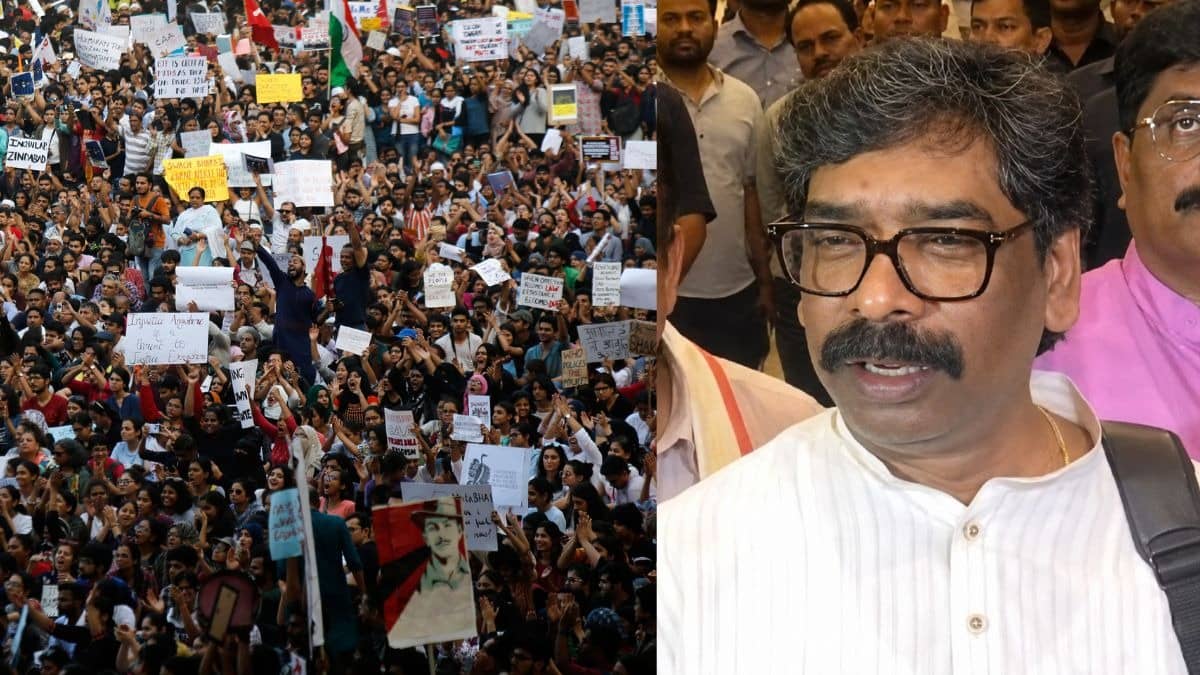
Activist Sonam Wangchuk declared India is grappling with a significant "trust deficit" alongside its fiscal challenges, speaking at a Cockroach Janata Party (CJP) protest in Bengaluru on June 14, 2026. The demonstration, demanding government accountability and education reforms, drew large crowds and highlighted concerns over democratic health and paper leaks.
Key Highlights
- Sonam Wangchuk highlighted India's 'trust deficit' at Bengaluru protest.
- CJP organized the protest demanding accountability and education reforms.
- Actor Prakash Raj and filmmakers also joined the demonstration in Bengaluru.
- Protest addressed concerns about NEET paper leaks and democratic values.
- Wangchuk has been a vocal critic of governance and education issues.
- Solidarity protests for Wangchuk occurred nationwide amidst ongoing movement.
On June 14, 2026, renowned education reformist and climate activist Sonam Wangchuk addressed a significant protest organized by the 'Cockroach Janata Party' (CJP) at Freedom Park in Bengaluru, where he articulated a critical concern: that India is facing not just a fiscal deficit but also a profound "trust deficit." This statement underscored a sentiment of disillusionment with governance and accountability, resonating with a large gathering that defied heavy rains to participate.
The protest in Bengaluru was part of a broader, youth-led movement initiated by the CJP, which has been staging demonstrations across various Indian cities. The primary impetus behind these protests has been widespread anger over alleged irregularities in competitive examinations, particularly the National Eligibility cum Entrance Test (NEET) paper leak, and a perceived systemic failure in the education sector. Wangchuk, already a prominent voice for environmental protection in Ladakh and constitutional safeguards for the region, broadened his activism to include these national issues, joining the CJP's agitation with an indefinite hunger strike that began in Delhi.
At the Bengaluru event, Wangchuk emphasized the necessity for the government to be more accountable and to uphold a free press, asserting that a failure to do so would imply India was transitioning into a totalitarian state rather than remaining a democracy. This call for greater transparency and democratic integrity found strong support among the attendees. The protest also saw the participation of notable public figures, including actor Prakash Raj, actor Kiran Srinivas, and filmmakers Senani Hegde and Krupakar B.S., further amplifying the message. Prakash Raj, addressing the crowd, expressed his wish for Sonam Wangchuk to be the Education Minister, highlighting the youth's determination to fight for their future against what they perceive as detrimental policies and a focus on non-developmental issues like 'mandir-masjid politics.'
While Wangchuk's primary hunger strike had been ongoing at Jantar Mantar in Delhi, his presence in Bengaluru underscored the nationwide solidarity and the interconnectedness of the various protest sites. His hunger strike in Delhi, which extended for 21 days, aimed at demanding the resignation of Union Education Minister Dharmendra Pradhan and comprehensive education reforms following the NEET paper leak. Wangchuk's removal from the Jantar Mantar protest site by police on medical grounds on July 18, 2026, and his subsequent hospitalization, triggered another wave of solidarity protests in cities like Bengaluru and Hyderabad on July 19, 2026.
Wangchuk's concern about a "trust deficit" extends beyond just educational irregularities. He has previously linked this deficit to broader issues within India's political system, citing, for instance, the alarming number of elected representatives facing criminal charges. He has advocated for what he terms a "second Independence movement" to reform the political system and ensure the selection of selfless and capable leaders. This comprehensive vision suggests that the CJP-led protests, while immediately triggered by education system failures, are symptomatic of deeper societal and governance challenges.
The 'Cockroach Janata Party' itself adopts a satirical and often memetic approach to protest, utilizing humor and irony to draw attention to serious issues. This youth-led movement, combined with the moral gravitas and Gandhian approach of Sonam Wangchuk's hunger strikes, creates a unique blend of dissent that has effectively captured public attention. The protests demand accountability from the Union Education Ministry, including the resignation of Minister Pradhan, and a commitment to address the systemic issues plaguing India's education and recruitment processes.
Credible news outlets such as Hindustan Times, The South First, and Bangalore Mirror have extensively corroborated the events, the participation of key figures, and the core demands of the protests. The consistency across these reports confirms the factual accuracy of The Hindu's article regarding Wangchuk's statement and the Bengaluru protest. While some news reports highlight subsequent protests in July, the core article focuses on the June 14, 2026, event where Wangchuk first made the "trust deficit" remark in Bengaluru. This ongoing coverage underscores the national significance and continued relevance of the issues raised by Wangchuk and the CJP. The convergence of concerns over examination integrity, democratic values, and governmental accountability has positioned these protests as a critical reflection of public sentiment in India.
Frequently Asked Questions
What was the main reason for Sonam Wangchuk's protest in Bengaluru?
Sonam Wangchuk's protest in Bengaluru, organized by the Cockroach Janata Party (CJP), primarily aimed to demand accountability from the government regarding alleged NEET paper leaks and to advocate for comprehensive education reforms. He also highlighted a broader 'trust deficit' in the country's governance.
What is the 'Cockroach Janata Party' (CJP)?
The 'Cockroach Janata Party' (CJP) is a satirical, youth-led protest movement in India. It utilizes humor, memes, and irony to draw attention to serious issues, particularly concerns about the education system, examination irregularities, and broader governance accountability.
What did Sonam Wangchuk mean by 'trust deficit'?
By 'trust deficit,' Sonam Wangchuk referred to a perceived erosion of public confidence in the government and its institutions. He linked this to issues like alleged paper leaks in competitive exams, lack of accountability, and the presence of elected representatives with criminal backgrounds, suggesting a failing democratic system.
What were the broader demands of the CJP protests?
Beyond demanding the resignation of Union Education Minister Dharmendra Pradhan over the NEET paper leak, the CJP protests, supported by Sonam Wangchuk, called for greater government accountability, a free press, and systemic reforms to address failures in India's education and recruitment systems.
Who else participated in the Bengaluru protest alongside Sonam Wangchuk?
The Bengaluru protest saw significant participation from actor Prakash Raj, actor Kiran Srinivas, and filmmakers Senani Hegde and Krupakar B.S., among many students and citizens, demonstrating broad support for the cause.