Iran: Hormuz Status Changed, Hotline Established After US Peace Deal
Following a recent US-Iran peace agreement, Iran has declared that the Strait of Hormuz will never revert to its pre-war status, asserting its new management arrangements. Crucially, both nations have agreed to establish a 'telephone hotline' for the strategic waterway to prevent misunderstandings and ensure safe passage for international shipping.
Key Highlights
- Iran asserts permanent changes to Strait of Hormuz management.
- US and Iran agree to a 'telephone hotline' for maritime communication.
- Developments follow a recent US-Iran peace agreement and conflict.
- Iranian chief negotiator Ghalibaf announced the new arrangements.
- Strait of Hormuz is vital for global oil and gas shipments.
- Deal includes reopening the Strait and easing oil sanctions.
In a significant development following a recent conflict and subsequent peace agreement between the United States and Iran, Tehran has announced that the strategic Strait of Hormuz will permanently operate under new Iranian management, definitively stating it can 'never return to its pre-war state'. This declaration was made by Iran's chief negotiator and parliamentary speaker, Mohammad Bagher Ghalibaf, who emphasized that the waterway will now be administered under 'Iranian arrangements'.
This assertion comes amid ongoing diplomatic efforts to solidify a fragile peace. Ghalibaf, speaking after negotiations in Switzerland, confirmed that both the US and Iran have reached an agreement to establish crucial 'coordination mechanisms'. Among these is a dedicated 'telephone hotline' and a specialized center, designed to prevent and swiftly resolve any misunderstandings or issues that might arise as international vessels traverse the vital chokepoint. This measure aims to ensure the highest level of safety and traffic flow, with Iran pledging to implement international laws precisely.
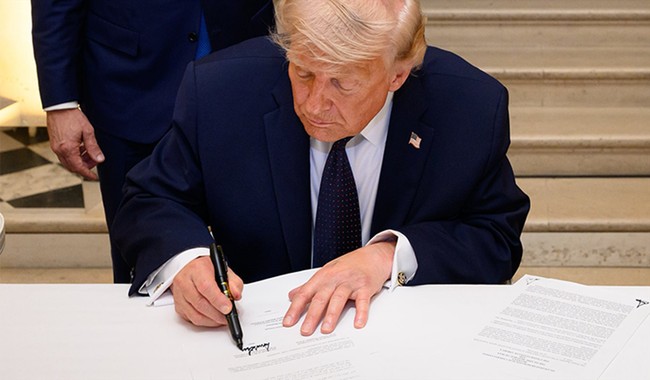
The broader context for these developments is a recent and intense period of conflict between the US and Iran, which had seen the Strait of Hormuz effectively closed by Iran. The current peace agreement, mediated by countries like Pakistan and Qatar, signifies a major diplomatic breakthrough. US President Donald Trump, along with Vice President JD Vance and Iranian Parliament Speaker Mohammad Bagher Ghalibaf, reportedly signed a memorandum of understanding, leading to the tentative deal. Key aspects of this agreement include the reopening of the Strait of Hormuz, initially on a toll-free basis for at least 60 days, and the lifting of a US naval blockade. Furthermore, the deal entails the easing of sanctions on Iranian oil exports and the commencement of 60 days of follow-on nuclear talks.
However, the implementation of this peace deal has not been entirely smooth. Reports indicate that Iran's military briefly re-declared the Strait closed, even as commercial traffic continued to flow, suggesting Tehran's intent to leverage its control over the waterway even as broader peace talks progress. The complexities extend beyond the immediate US-Iran relationship, with statements from Iran's Foreign Ministry spokesperson Esmaeil Baqaei highlighting deep-rooted distrust stemming from historical grievances. Moreover, regional dynamics, such as Israel's stance on maintaining troops in southern Lebanon, could further complicate the full realization of peace, especially since Israel is not directly part of the US-Iran agreement.
The Strait of Hormuz remains a globally critical maritime passage, connecting the Persian Gulf to the Gulf of Oman and the Arabian Sea. It is the world's most important oil transit chokepoint, with a significant portion of the world's seaborne oil passing through it daily. For countries like India, which are heavily reliant on oil imports from the Middle East, the stability and free flow of navigation through the Strait are paramount for energy security and economic stability. Therefore, any developments concerning its management and security have profound international implications, affecting global energy markets and international relations. The establishment of a hotline, while a step towards de-escalation, underscores the persistent tensions and the need for clear communication in this volatile region. The ongoing negotiations and the cautious reopening of the Strait highlight the delicate balance of power and the intricate diplomatic dance required to maintain regional and global stability.
Frequently Asked Questions
What is the significance of the Strait of Hormuz?
The Strait of Hormuz is a crucial maritime chokepoint connecting the Persian Gulf to the open ocean. It is globally significant because a substantial portion of the world's seaborne oil and liquefied natural gas (LNG) passes through it, making it vital for global energy supplies and international trade.
What does Iran mean by 'Hormuz can never return to pre-war state'?
Iran's chief negotiator, Mohammad Bagher Ghalibaf, stated that the Strait of Hormuz will now be managed under 'Iranian arrangements', implying a permanent shift in control and operational protocols for the waterway following the recent US-Iran conflict.
What is the 'telephone hotline' for the Strait of Hormuz?
The 'telephone hotline' is a new coordination mechanism agreed upon by the US and Iran. It, along with a dedicated center, is intended to facilitate direct communication between the two nations and other countries to prevent and resolve any misunderstandings or issues concerning maritime traffic in the Strait.
What led to these recent developments concerning the Strait of Hormuz?
These developments are a direct result of a recent conflict between the US and Iran, which saw the Strait of Hormuz closed. A subsequent peace agreement, mediated by nations like Pakistan and Qatar and involving high-level negotiations, led to the reopening of the Strait and the establishment of new communication protocols.
How does this news impact India?
For India, a major energy importer, the stability and security of the Strait of Hormuz are critically important. Any disruption or changes in its management directly affect global oil prices and India's energy security. The agreement to establish a hotline and Iran's new management claims will be closely watched by India due to their potential impact on vital shipping lanes and economic interests.