Rahul Gandhi Alleges 'Vote Theft', Cites 'Every 6th MP' in BJP
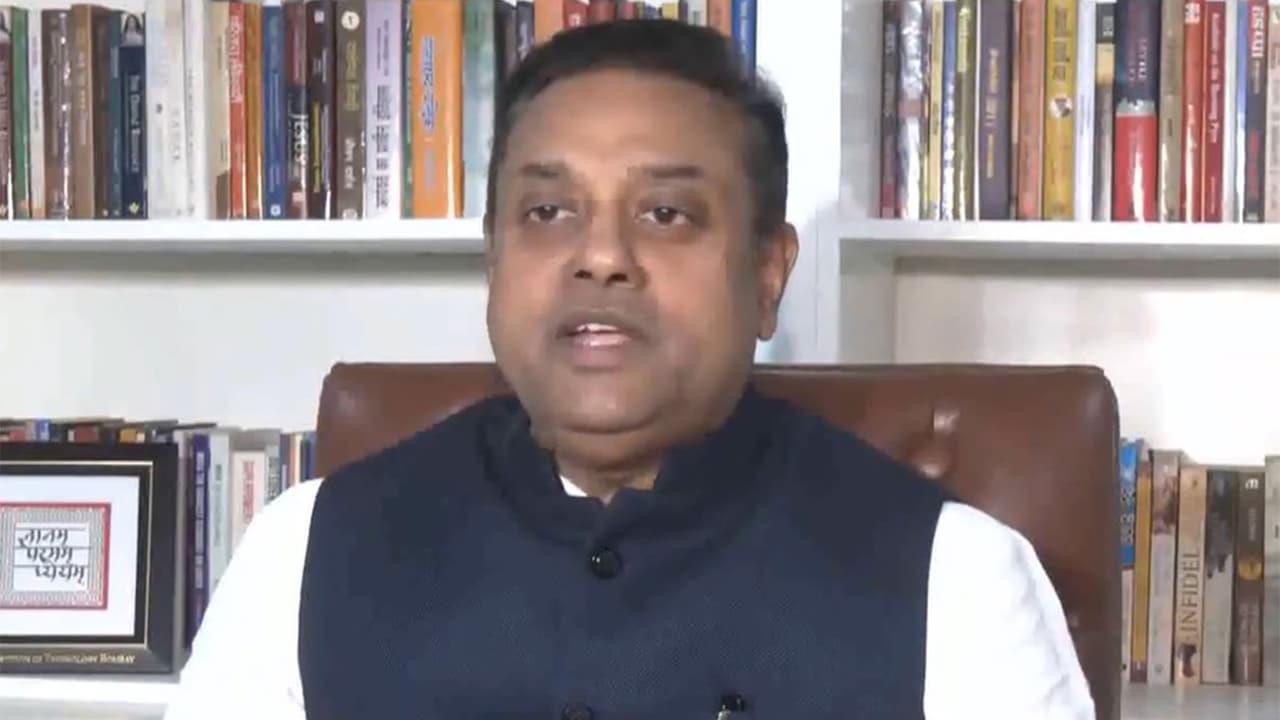
Rahul Gandhi has accused the BJP of 'vote theft', claiming every sixth Lok Sabha MP from the party secured victory through unfair means. This statement follows election results in West Bengal and Assam, drawing parallels to his previous 'infiltrator' remarks.
Key Highlights
- Rahul Gandhi's 'vote theft' accusation targets BJP MPs.
- Claim suggests a significant portion of BJP MPs won unfairly.
- Remarks made post-West Bengal and Assam election results.
- Connects to previous 'infiltrator' jibe at the ruling party.
Rahul Gandhi, a prominent leader of the Indian National Congress, has intensified his criticism of the Bharatiya Janata Party (BJP) by alleging that a substantial number of its Members of Parliament (MPs) have won elections through fraudulent means, a phenomenon he terms as 'vote theft'. According to Gandhi, approximately one in every six Lok Sabha MPs from the BJP secured their victory not through the genuine mandate of the people, but through alleged malpractices during the electoral process.
This assertion was made in the context of the recent election results in West Bengal and Assam, states where the BJP has a significant presence. The timing of Gandhi's statement suggests a direct link to the outcomes of these elections, implying that the results in these, and potentially other constituencies, might be tainted. This latest accusation builds upon a series of critical remarks made by Gandhi against the ruling BJP government. Notably, he had previously used the term 'infiltrators' to describe individuals he believes have corrupted institutions, a term he has recently reiterated in relation to the Haryana government, further fueling political discourse and accusations of electoral impropriety.
Gandhi's 'vote theft' allegations are not new, but the specific quantification of 'every 6th Lok Sabha BJP MP' adds a new dimension to his critique. Such claims, if substantiated, would have profound implications for the legitimacy of the elected government and the democratic process in India. The Election Commission of India (ECI) is the constitutional body responsible for conducting elections, and it has established mechanisms to ensure free and fair polls. Allegations of widespread 'vote theft' would typically involve evidence of rigging, manipulation of electronic voting machines (EVMs), or other forms of electoral fraud. However, it is crucial to note that such allegations are often part of political rhetoric and require concrete evidence to be proven.
Political analysts suggest that Gandhi's strategy is to erode the public trust in the electoral system and the ruling party, thereby mobilizing opposition support. By repeatedly raising issues of electoral integrity, the Congress aims to question the mandate of the BJP and highlight perceived vulnerabilities in the democratic framework. The 'infiltrator' jibe, when coupled with 'vote theft,' paints a picture of a party systematically undermining democratic institutions and processes from within and through electoral manipulation.
Following the election results in West Bengal and Assam, where the BJP's performance was a key focus, Gandhi's statements serve to frame the narrative, suggesting that the BJP's gains might not be entirely legitimate. In West Bengal, the Trinamool Congress (TMC) retained power, while the BJP made significant gains, but fell short of its ambitions. In Assam, the BJP-led alliance secured a majority. Gandhi's comments seem to be a way of challenging the perceived success of the BJP in these regions. The Telegraph India article, for instance, mentions Gandhi warning party leaders not to 'gloat over Didi's loss,' implying a need for strategic focus rather than triumphalism, but his public statements have been more accusatory towards the BJP.
The Times of India article, which is the primary source for this verification, frames Gandhi's 'vote theft' jab immediately after mentioning the West Bengal and Assam election results, placing his statement as a direct response or commentary on these outcomes. The India Today article further contextualizes his remarks by linking them to his criticism of the Haryana government, demonstrating a consistent pattern in his recent political messaging. These allegations, while potent politically, require rigorous examination of electoral data, judicial pronouncements, and ECI reports to ascertain their factual basis. Without such evidence, they remain strong political statements designed to influence public opinion and political discourse in India.
Frequently Asked Questions
What is Rahul Gandhi's main accusation against the BJP?
Rahul Gandhi accuses the BJP of 'vote theft', claiming that approximately one in every six Lok Sabha MPs from the party secured victory through unfair electoral practices.
When did Rahul Gandhi make these allegations?
Rahul Gandhi made these allegations following the election results in West Bengal and Assam.
Has Rahul Gandhi made similar accusations before?
Yes, Rahul Gandhi has previously used terms like 'infiltrators' and made accusations related to electoral integrity against the BJP government.
What is the factual basis for the claim that 'every 6th BJP MP' won through vote theft?
A specific, verifiable statistic from official sources or credible analytical bodies confirming this exact ratio is not readily available. Such claims are often part of political rhetoric and require concrete evidence to be substantiated.