CIA Chief's Secret Moscow Visit: Warning to Russia on NATO and Ukraine War
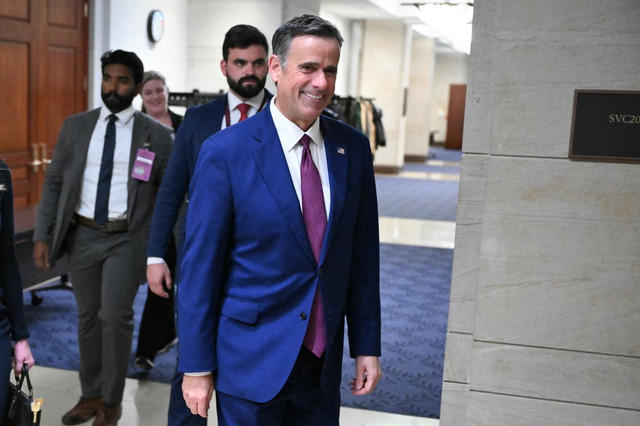
CIA Director John Ratcliffe made a secretive visit to Moscow to warn Russia against attacking NATO and to discuss efforts to end the Ukraine war. While President Trump described the trip as 'semi-routine,' reports indicate it was to deliver a serious message about potential Russian escalation and to assess Moscow's willingness for peace talks. The Kremlin confirmed intelligence-level talks but denied a meeting with President Putin.
Key Highlights
- CIA Director John Ratcliffe made a surprise visit to Moscow.
- The visit aimed to warn Russia against attacking NATO allies.
- Discussions also focused on efforts to end the Ukraine war.
- President Trump characterized the trip as 'semi-routine'.
- The Kremlin confirmed intelligence talks but no meeting with Putin.
- US intelligence assessed potential Russian threats to NATO.
CIA Director John Ratcliffe undertook a secretive visit to Moscow, a rare occurrence that has generated significant international attention and speculation. The primary objective of this unannounced trip, according to multiple media reports and intelligence sources, was to deliver a stern warning to Russia against any escalatory actions targeting NATO member states, particularly in the Baltic region. This warning was reportedly prompted by U.S. intelligence assessments suggesting that Russia might be contemplating actions to test NATO's resolve.
During his visit, Ratcliffe also engaged in discussions concerning the ongoing war in Ukraine, with U.S. President Donald Trump expressing hope that the meeting could contribute to ending the conflict. Trump, while confirming the visit, downplayed its significance, describing it as "sort of semi-routine". He stated that the trip was not related to Iran sanctions or fears of Russia testing NATO resolve, but rather to work towards ending the war in Ukraine. However, this characterization contrasts with the urgency conveyed by other reports, which suggest the visit was a critical communication aimed at preventing further escalation.
The Kremlin confirmed that CIA Director Ratcliffe held meetings with Russian intelligence counterparts at an "intelligence agencies' level". Kremlin spokesman Dmitry Peskov stated that President Vladimir Putin was briefed on these discussions but did not meet with Ratcliffe directly. Peskov acknowledged the contacts as a "positive phenomenon" but cautioned that it was "too early to say" if they would improve the strained overall U.S.-Russia relations, which he described as being in a "profound crisis".
Reports from sources familiar with the matter indicated that Ratcliffe also raised concerns about Iran, warning of potential additional sanctions if the Strait of Hormuz did not reopen to shipping traffic. This aspect of the visit highlights the multifaceted nature of U.S.-Russia interactions, extending beyond the immediate conflict in Ukraine to broader geopolitical issues.
The timing of Ratcliffe's visit was particularly sensitive, occurring as Ukraine had increased its attacks deep inside Russia, including in the capital. U.S. officials had reportedly informed Ukrainian officials in advance of the delegation's travel to Moscow and requested a temporary suspension of strikes on Russian territory during the visit, with the exception of certain regions. This suggests a coordinated effort to de-escalate tensions and facilitate diplomatic communications.
The visit marked the first known trip to Russia by a CIA director since William Burns' visit in November 2021, where he also delivered a warning to Russia regarding its intentions towards Ukraine, a warning that was ultimately ignored as Russia launched its full-scale invasion shortly thereafter. The parallels between the two visits underscore the persistent concerns about Russian aggression and the U.S. efforts to maintain channels of communication, even amidst deep-seated tensions.
While the specific details of the discussions remain under wraps, the overarching narrative points to a high-stakes diplomatic maneuver. The U.S. aimed to convey a clear message to Russia about the potential consequences of its actions, while also exploring avenues for de-escalation and peace in Ukraine. The differing perspectives from the White House and the intelligence community highlight the complex dynamics of U.S. foreign policy and the delicate balance between direct warnings and diplomatic engagement.
Frequently Asked Questions
Who is John Ratcliffe and what is his role?
John Ratcliffe is the Director of the U.S. Central Intelligence Agency (CIA), responsible for overseeing the nation's intelligence gathering and analysis activities.
What was the primary reason for CIA Director Ratcliffe's visit to Moscow?
The primary reason, according to multiple reports, was to deliver a warning to Russia against attacking NATO member states and to discuss potential de-escalation in the Ukraine war.
Did CIA Director Ratcliffe meet with Russian President Vladimir Putin?
No, the Kremlin confirmed that Ratcliffe met with Russian intelligence officials but did not meet with President Putin. However, Putin was briefed on the discussions.
How did President Trump react to the news of the visit?
President Trump confirmed the visit but described it as 'semi-routine,' expressing hope it could help end the war in Ukraine, while downplaying speculation about other motives.