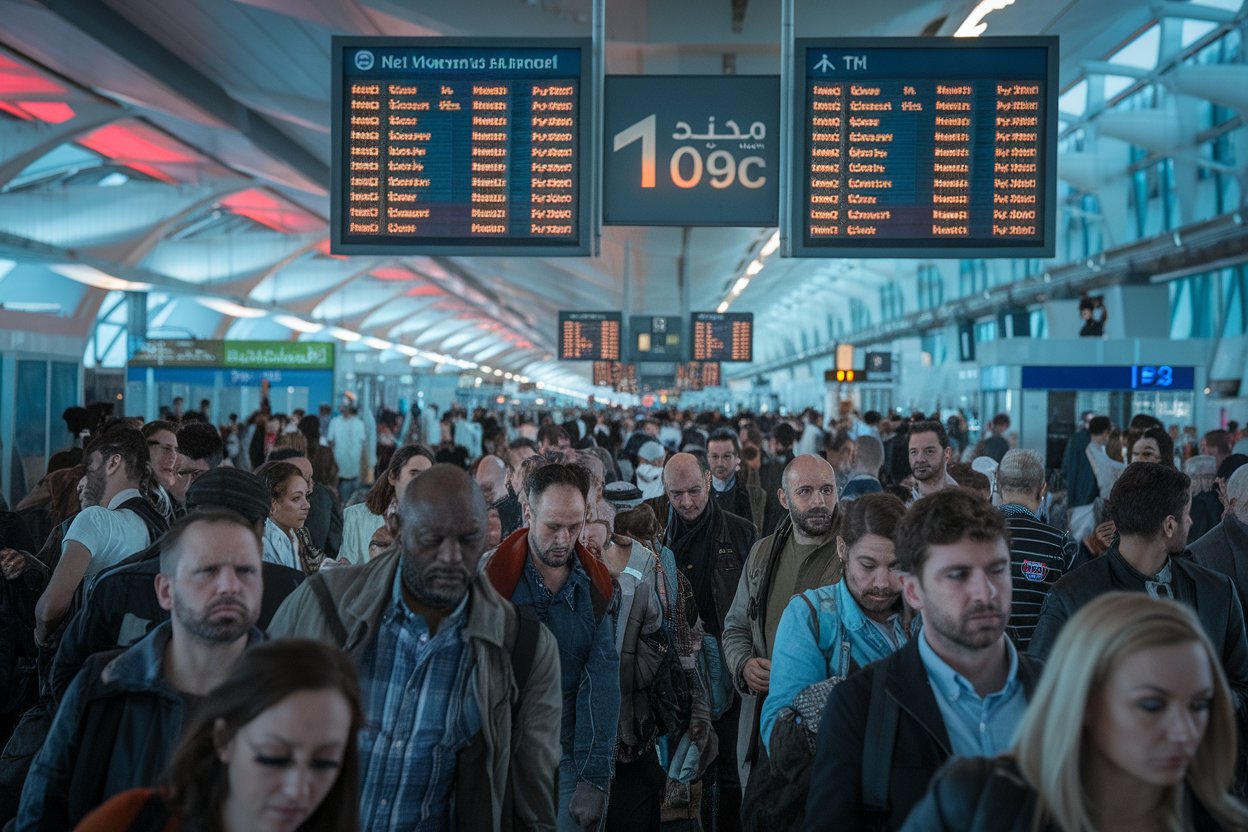
Dubai Airports partially resume operations; Emirates restarts select flights amid regional airspace issues
Dubai Airports have resumed limited flight operations on March 6, 2026, with Emirates restarting select services amidst ongoing regional airspace disruptions caused by escalating geopolitical tensions. Passengers are advised to confirm bookings directly with airlines before traveling to the airport.
Key Highlights
- Dubai Airports resume limited operations on March 6.
- Emirates restarts select flights prioritizing confirmed bookings.
- Regional airspace disruptions continue to impact Middle East air travel.
- Passengers must verify flight status directly with airlines.
- Focus on repatriation and essential travel amidst gradual reopening.
Dubai International (DXB) and Dubai World Central – Al Maktoum (DWC) have commenced a limited resumption of flight operations on March 6, 2026, following significant disruptions to air travel across the Middle East due to escalating regional tensions. Dubai-based carrier Emirates has also begun operating a select number of flights, prioritizing passengers with existing confirmed bookings and essential travel needs. The airline's full flight schedule remains suspended until March 7, with a gradual reopening of safe flight corridors underway.
Authorities have emphasized that passengers should only proceed to the airport if they have a confirmed ticket and have been notified by their airline. Transit passengers will only be accepted if their connecting flights are also operating. The primary focus of this controlled reopening is on repatriation, cargo services, and essential travel. Emirates has stated that over 100 flights were planned to operate on select days as part of a reduced schedule. The airline has also temporarily closed its city check-in facilities and advises passengers to regularly check the Emirates Flight Status page for updates.
The widespread airspace closures and flight suspensions began in late February amid rising tensions involving Iran, the United States, and Israel, leading to significant travel disruptions and stranding thousands of travelers. Many airlines were forced to suspend or reroute their flights, with countries including the UAE, Iran, Iraq, Israel, Bahrain, Qatar, Kuwait, and Saudi Arabia experiencing closures or partial restrictions. This has led to a substantial reduction in flights, with estimates suggesting over 20% of planned services to Middle Eastern destinations were cancelled in a single day. Some reports indicate that over 15,000 flights were cancelled across seven regional airports between February 28 and March 5, affecting more than 1.5 million passengers.
The UAE government has been actively involved in repatriation efforts, with some 60 repatriation flights operating since March 1, transporting approximately 17,498 passengers through emergency corridors. The UAE also opened 'safe air corridors' allowing airlines to operate up to 48 flights per hour, primarily for emergency, evacuation, and repatriation flights, while regular commercial services remained restricted.
Travelers are strongly advised to confirm their flight status directly with their respective airlines before heading to the airport. Schedules remain subject to change due to the evolving security situation. Passengers seeking rebooking or refunds should consult their airline's specific policies, as many carriers are offering fee-free rescheduling and refunds for affected bookings.
The overall situation highlights the complex interplay between geopolitical events and global aviation, with a gradual restoration of services being contingent on the de-escalation of regional tensions and the full reopening of safe flight corridors.
Frequently Asked Questions
Are Dubai Airports fully operational?
No, Dubai International (DXB) and Dubai World Central – Al Maktoum (DWC) have resumed operations on a limited basis as of March 6, 2026. Many commercial flights remain suspended.
Can I travel through Dubai if my flight was cancelled?
Passengers are strongly advised not to go to the airport unless they have a confirmed booking and have been notified directly by their airline. Transit passengers will only be accepted if their connecting flight is also operating.
What caused the flight disruptions in the Middle East?
The disruptions are due to escalating geopolitical tensions involving Iran, the United States, and Israel, leading to widespread airspace closures and security concerns across the region.
What should passengers do if their flight is affected?
Passengers should check their flight status directly with their airline, monitor official airline communications, and only travel if they have a confirmed booking and notification from the airline. Rebooking and refund policies vary by carrier.