Syria Pitches Hormuz Bypass; Trump Calls Plan 'Great'
Syria is positioning itself as a vital alternative energy and trade corridor, proposing routes to bypass the Strait of Hormuz amid escalating tensions with Iran. This development has garnered significant attention, including praise from former US President Donald Trump. The initiative involves leveraging overland truck routes and planned pipeline projects to connect oil-producing regions in Iraq to Mediterranean ports, offering a strategic alternative to traditional maritime shipping lanes.
Key Highlights
- Syria proposes itself as a key transit hub, bypassing the Strait of Hormuz.
- The plan includes overland truck routes and future pipeline projects.
- Former US President Donald Trump has publicly endorsed the initiative.
- This development aims to secure alternative energy routes amid Iran tensions.
- International interest from energy companies and governments is growing.
- Infrastructure development and security are key challenges for Syria's plan.
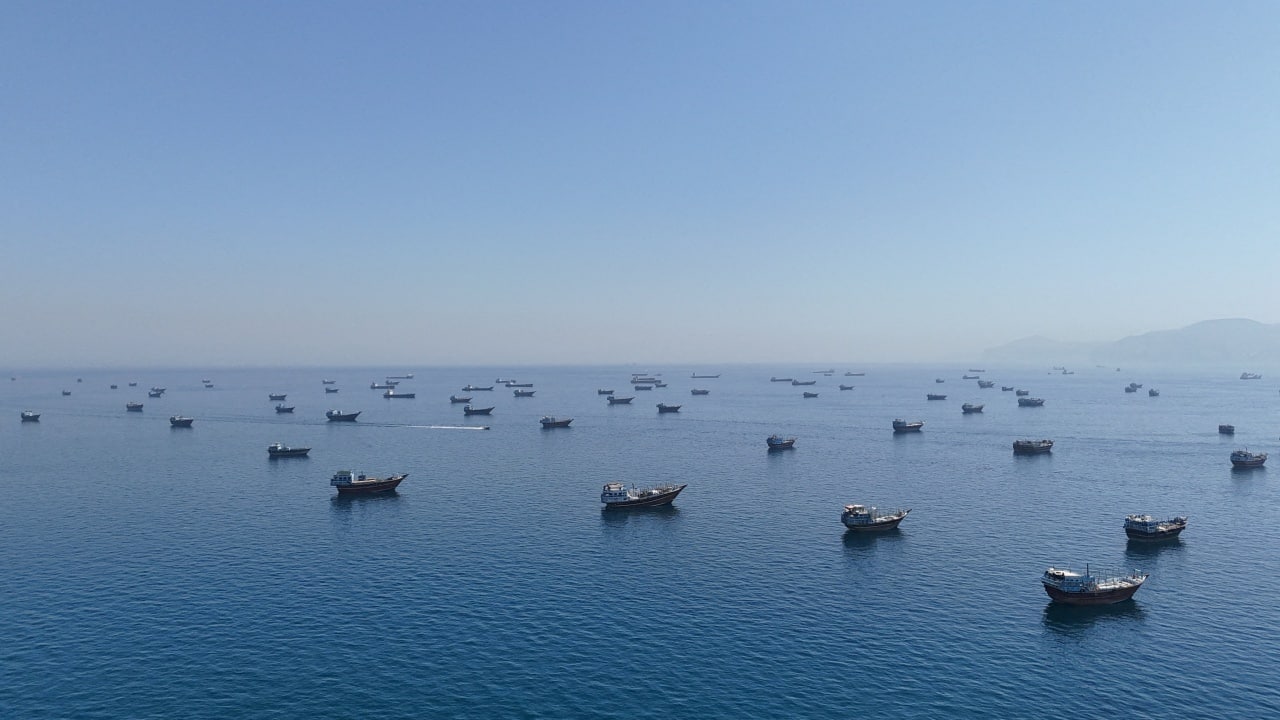
Amidst escalating tensions between the United States and Iran, and the consequent disruptions to maritime traffic through the Strait of Hormuz, Syria has emerged as a potential pivot for alternative energy and trade routes. The country is actively positioning itself as a crucial overland corridor connecting oil-producing regions in Iraq to Mediterranean ports, thereby offering a bypass to the strategically vital, yet volatile, Strait of Hormuz. This initiative has not only garnered significant international attention but has also received public endorsement from former US President Donald Trump, who described the plan as "GREAT!".
The core of Syria's strategy involves leveraging its geographic location and existing infrastructure, alongside ambitious new projects, to facilitate the transit of oil. Currently, approximately 5,000 oil-laden trucks are reportedly shuttling daily between refineries in southern Iraq and the Syrian port of Baniyas on the Mediterranean coast. This overland route began as an experiment in April, following joint US-Israeli strikes on Iran and subsequent Iranian assertions of control over maritime passage through the Strait of Hormuz. The Syrian government, under its current leadership, aims to consolidate this role as a stable corridor for energy and goods, attracting interest from foreign governments and international energy companies seeking diversified and less vulnerable shipping options.
Beyond the current truck-based operations, more significant infrastructure projects are in the pipeline. A key development is the proposed multi-billion dollar pipeline project, spearheaded by Chevron, which aims to transport approximately 2 million barrels of crude oil per day from Basra, Iraq, to Baniyas, Syria. This pipeline project, which has received support from the Trump administration, is expected to take at least two and a half years to construct. Additionally, there are plans to revive a historic 500-mile pipeline from Kirkuk, Iraq, to Baniyas, Syria, which was originally built in 1952 but has been defunct since the 2003 Iraq War. Senior Syrian officials suggest this pipeline could be operational within three years, with a combined capacity of 1.5 to 2 million barrels per day. These projects underscore Syria's ambition to become a significant regional transit hub, not just for oil but potentially for other goods as well, with agreements also being pursued for rehabilitating rail networks to connect Europe with the Red Sea.
The broader geopolitical context for this development is the heightened tension between the US and Iran, which has led to significant disruptions and concerns regarding the Strait of Hormuz, a critical chokepoint for global oil supply. The International Energy Agency has described the current supply disruption as the largest on record. This situation has spurred a global effort to find alternative routes, with Saudi Arabia and the UAE already expanding their own pipeline capacities to bypass Hormuz. Syria's proposal fits into this larger regional push for energy security and diversification.
However, the Syrian initiative is not without its challenges. Reports highlight significant infrastructure needs, as parts of the country's transport network have been damaged by years of conflict. Furthermore, security concerns, including the presence of militias and the overall instability in certain regions of Syria, pose considerable risks to the long-term viability and security of these proposed routes.
The news is specifically relevant to India as a major energy importer and a country heavily reliant on stable global energy supplies. Disruptions in the Strait of Hormuz directly impact oil prices and supply chains, affecting the Indian economy. Therefore, any development that aims to create alternative, stable routes for oil transport holds significant strategic and economic importance for India. The news also touches upon the complex geopolitical dynamics in the Middle East, which have implications for India's foreign policy and energy security strategy.
Historically, Syria's role in regional transit has been substantial, but the country has been embroiled in civil war for over a decade, leading to widespread destruction of infrastructure and economic decline. The current push to re-establish itself as a transit hub is a testament to its strategic location and the evolving regional security landscape. The leadership in Syria has shifted, with Ahmed al-Sharaa now at the helm, presenting a new approach to governance and international relations. The support from international players like the US, and investment interest from companies like Chevron and TotalEnergies, signal a potential shift in Syria's regional standing, moving from a conflict zone to a potential economic and transit hub. The UAE is also making significant investments in Syria, including a substantial real estate push, indicating a broader engagement with the country's potential recovery and integration into regional economic networks.
Frequently Asked Questions
What is the Strait of Hormuz and why is it important?
The Strait of Hormuz is a narrow waterway between Iran and the Arabian Peninsula that connects the Persian Gulf to the open ocean. It is one of the world's most critical chokepoints for oil transportation, with a significant portion of global oil supply passing through it daily.
What is Syria's proposed plan to bypass the Strait of Hormuz?
Syria is proposing to serve as an alternative transit corridor for oil and goods. This involves leveraging existing overland truck routes from Iraq to its Mediterranean port of Baniyas and developing new pipeline projects to connect Iraqi oil fields to the Mediterranean coast.
Who is Donald Trump and what is his stance on Syria's proposal?
Donald Trump is a former President of the United States. He has publicly praised Syria's plan to become an alternative route bypassing the Strait of Hormuz, calling the development 'great' on his social media platform.
What are the main challenges facing Syria's plan?
The primary challenges include the need for significant infrastructure development and upgrades due to existing damage from conflict, as well as considerable security risks and regional instability within Syria. The long-term viability of these routes depends on overcoming these hurdles.