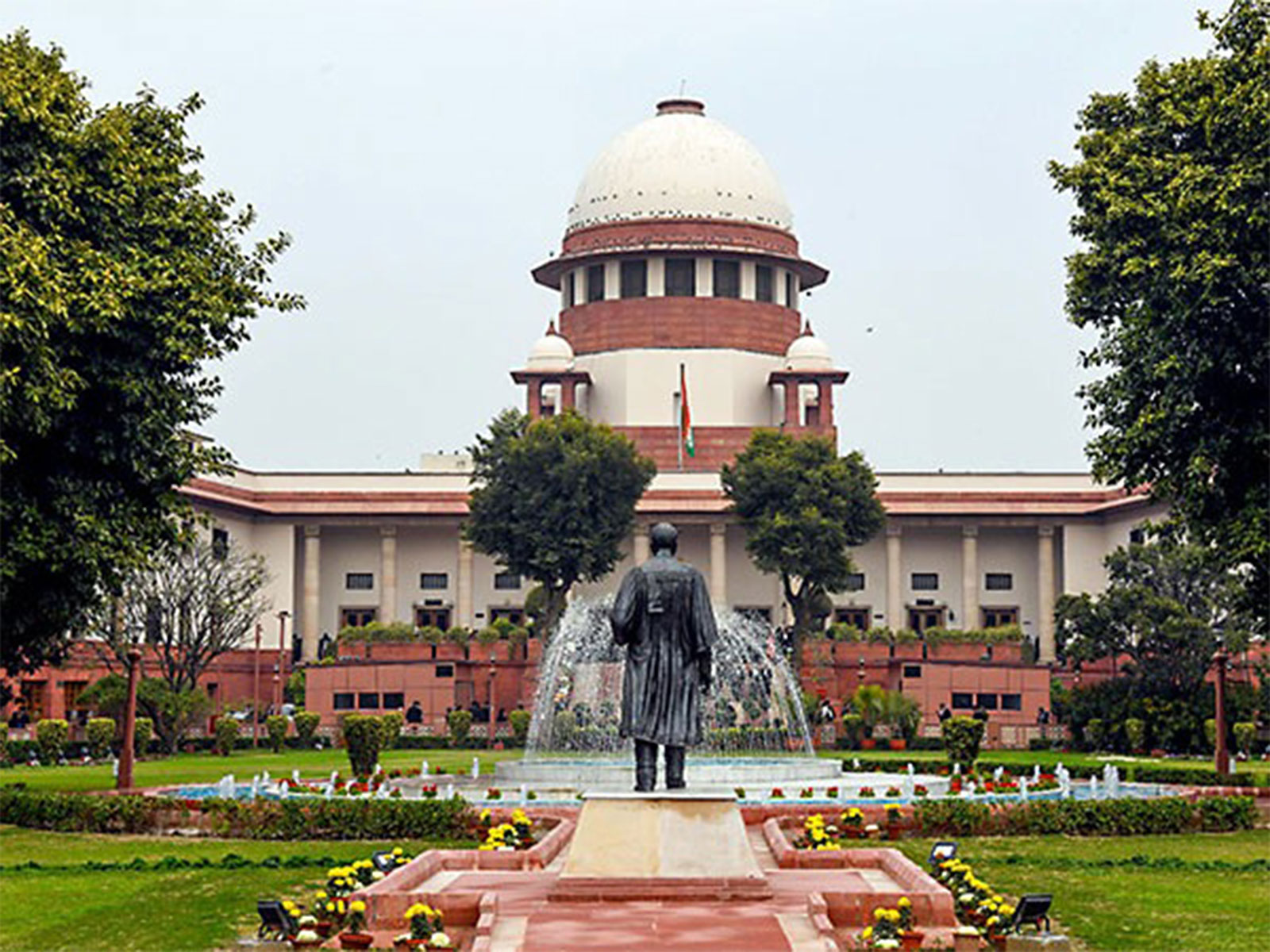
Supreme Court questions UAPA invocation in Suvendu Adhikari convoy attack case
The Supreme Court has directed the Calcutta High Court to examine the justification for invoking the Unlawful Activities (Prevention) Act (UAPA) in connection with the attack on the convoy of Suvendu Adhikari. The apex court questioned the broad interpretation of UAPA provisions.
Key Highlights
- SC asks Calcutta HC to review UAPA application in Beldanga violence.
- Court questions broad interpretation of UAPA in security threat cases.
- Focus on whether emotional outbursts justify UAPA invocation.
- NIA asked to submit a report to the High Court.
- Case linked to violence in West Bengal's Murshidabad district.
The Supreme Court of India has raised significant questions regarding the invocation of the Unlawful Activities (Prevention) Act (UAPA) in the case involving an attack on the convoy of West Bengal Leader of Opposition, Suvendu Adhikari. The apex court has specifically directed the Calcutta High Court to examine whether the application of UAPA in the probe into the Beldanga violence was justifiable. This directive comes amidst concerns raised by the Supreme Court about the broad interpretation and application of anti-terror laws in cases that might not strictly fall under the definition of national security threats.
The Supreme Court bench, while hearing related matters, observed that "every emotional outburst cannot be packaged as affecting economic security." This statement suggests a judicial caution against overreach in invoking stringent laws like UAPA for incidents that may stem from local disputes or political tensions, rather than posing a direct threat to the economic stability or national security of the country. The Court's query to the Calcutta High Court implies a need for a more stringent and precise application of the UAPA, ensuring it is reserved for genuine threats to national security and not for routine law and order issues.
The case is linked to violence that occurred in Beldanga, a region within Murshidabad district of West Bengal. The National Investigation Agency (NIA) has also been asked by the Supreme Court to file a report before the Calcutta High Court concerning the invocation of UAPA in this case. This involvement of the NIA, a central counter-terrorism agency, underscores the seriousness with which the legal aspects of the case are being considered at the highest judicial level.
The Supreme Court's intervention highlights a recurring judicial concern about the misuse or over-application of stringent laws, particularly in politically charged environments. Legal experts suggest that such judicial scrutiny is crucial to maintain the balance between national security imperatives and civil liberties, ensuring that anti-terror legislation is not used to suppress dissent or to escalate political conflicts. The emphasis on examining the "justifiability" of UAPA invocation suggests that the apex court wants to ensure that the threshold for applying such a severe law is met, and that the actions constitute a genuine threat to the unity and integrity of India.
The implications of this Supreme Court directive are significant for the ongoing investigation and for future applications of the UAPA in India. It sets a precedent for how such cases will be viewed and adjudicated, potentially leading to a more nuanced approach in differentiating between ordinary criminal acts and those that genuinely endanger national security. The Calcutta High Court's examination will be critical in determining the specific circumstances under which the UAPA was invoked and whether those circumstances indeed warranted such a stringent legal measure. The outcome of this judicial review could influence how similar cases involving political figures or sensitive regions are handled by law enforcement agencies and courts across the country. The news also touches upon the broader debate surrounding the balance between state power, national security, and individual freedoms, a perennial issue in democratic societies. The Supreme Court's role here is to act as a check on potential executive overreach, ensuring that the application of laws, especially those with severe implications for personal liberty, adheres strictly to legal principles and constitutional safeguards. The focus on "economic security" as a potential justification for UAPA also brings to light the evolving understanding of what constitutes a threat to national security in contemporary times, pushing for a more precise definition that aligns with established legal doctrines.
Frequently Asked Questions
What is the Unlawful Activities (Prevention) Act (UAPA)?
The Unlawful Activities (Prevention) Act (UAPA) is an Indian anti-terror law. It aims to combat unlawful activities and terrorism by providing for more effective prevention and punishment of certain unlawful activities and for matters connected therewith. It allows the central government to declare an individual or an association as a terrorist organization.
Why has the Supreme Court questioned the invocation of UAPA in Suvendu Adhikari's case?
The Supreme Court questioned the invocation of UAPA because it seems to be concerned about its broad application. The court suggested that not every emotional outburst or incident should automatically lead to the invocation of such a stringent anti-terror law, implying a need for stricter justification and evidence of a genuine threat to national security.
What is the role of the Calcutta High Court in this matter?
The Supreme Court has directed the Calcutta High Court to examine and determine whether the invocation of the UAPA in connection with the attack on Suvendu Adhikari's convoy was legally justifiable based on the facts and circumstances of the case.
What is the significance of the Supreme Court's intervention in this case?
The Supreme Court's intervention is significant as it reflects a judicial concern about the potential misuse or overreach of stringent laws like UAPA. It sets a precedent for how such cases will be reviewed, emphasizing the need for a careful and precise application of anti-terror legislation, thereby balancing national security with civil liberties.