Iran strikes Middle East; US deploys third carrier amid escalating conflict
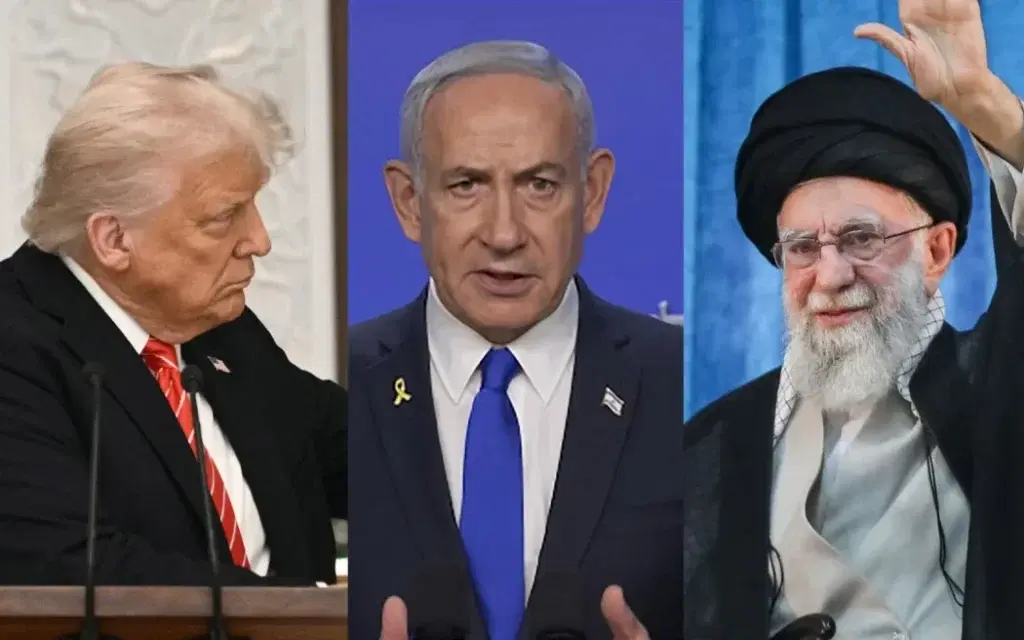
Iran has targeted Saudi Arabia, Qatar, and the UAE with missile and drone attacks despite issuing an apology to neighboring countries. Concurrently, the United States is deploying its third aircraft carrier, the USS George H.W. Bush, to the Middle East, significantly increasing its naval power in the region amidst escalating tensions.
Key Highlights
- Iran launched missile and drone attacks on Saudi Arabia, Qatar, and UAE.
- These attacks occurred despite Iran's apology to neighboring nations.
- The US is deploying a third aircraft carrier to the Middle East.
- The USS George H.W. Bush's deployment boosts US naval presence.
- The conflict escalates with a significant increase in US military assets.
- India expressed concern and urged for peace and stability in the region.
The Middle East is experiencing a significant escalation of conflict, with Iran launching missile and drone attacks on Saudi Arabia, Qatar, and the United Arab Emirates on Saturday, March 7, 2026. This wave of attacks occurred despite an apology issued by Iranian President Masoud Pezeshkian to neighboring countries for previous strikes. President Pezeshkian stated that Iran would not attack neighboring nations unless attacked first, but the continued strikes demonstrated a complex and volatile situation.
Amidst these escalating regional tensions, the United States is bolstering its military presence by deploying a third aircraft carrier, the USS George H.W. Bush, to the Middle East. This deployment, along with the presence of the USS Gerald R. Ford (already in the Red Sea) and the USS Abraham Lincoln (operating in the Arabian Sea), represents a substantial increase in American naval airpower in the region, signaling a strong deterrent posture towards Iran. The USS George H.W. Bush completed its pre-deployment training on Thursday, March 6, 2026, and is expected to head to the eastern Mediterranean. This concentration of three carrier strike groups within reach of Iran is considered a significant and potentially historic naval deployment, capable of projecting substantial power across the region.
The attacks on Saturday saw Saudi Arabia intercepting drones aimed at its Shaybah oil field and a ballistic missile targeting Prince Sultan Air Base, which hosts US forces. In Dubai, several blasts were heard, and the UAE's air defense systems were activated, leading to a temporary suspension of flights at Dubai International Airport. The UAE reported intercepting numerous ballistic missiles and drones, with some falling within its territory, resulting in casualties, including Pakistani, Nepali, and Bangladeshi nationals. Qatar also reported repelling a ballistic missile attack.
India, a key player with significant diaspora in the Middle East, has expressed deep concern over the escalating conflict. Prime Minister Narendra Modi called for peace and stability in the region and convened the Cabinet Committee on Security to address the crisis and ensure the safety of Indian expatriates. India has been urging for dialogue and de-escalation, while also maintaining its diplomatic ties with all parties involved.
The conflict, which began with US-Israeli strikes on Iran, has rapidly drawn in regional actors and heightened global anxiety. The Iranian Revolutionary Guards have stated their intention to target all US-Israel bases and interests if attacks persist. US President Donald Trump has continued to issue warnings to Iran, vowing to "strike deeper" and demanding "unconditional surrender." The situation remains highly fluid, with diplomatic efforts underway alongside a significant military buildup, underscoring the gravity of the geopolitical climate in the Middle East.
Frequently Asked Questions
What countries did Iran target with missile and drone attacks on March 7, 2026?
Iran launched missile and drone attacks targeting Saudi Arabia, Qatar, and the United Arab Emirates on March 7, 2026.
Why is the US deploying a third aircraft carrier to the Middle East?
The US is deploying a third aircraft carrier, the USS George H.W. Bush, to the Middle East to increase its naval power and deter further escalation in the region amidst the ongoing conflict with Iran.
Did Iran's president apologize for the attacks?
Yes, Iranian President Masoud Pezeshkian apologized for Iran's attacks on neighboring countries, stating that Iran would not attack them unless attacked first. However, strikes continued on the same day.
What was India's reaction to the escalating conflict?
India expressed deep concern over the escalating conflict, urged for peace and stability, and convened its Cabinet Committee on Security to address the crisis and ensure the safety of its citizens in the region.