Uttarakhand Water Dispute: BJP Worker Killed, Houses Razed Amid Tensions
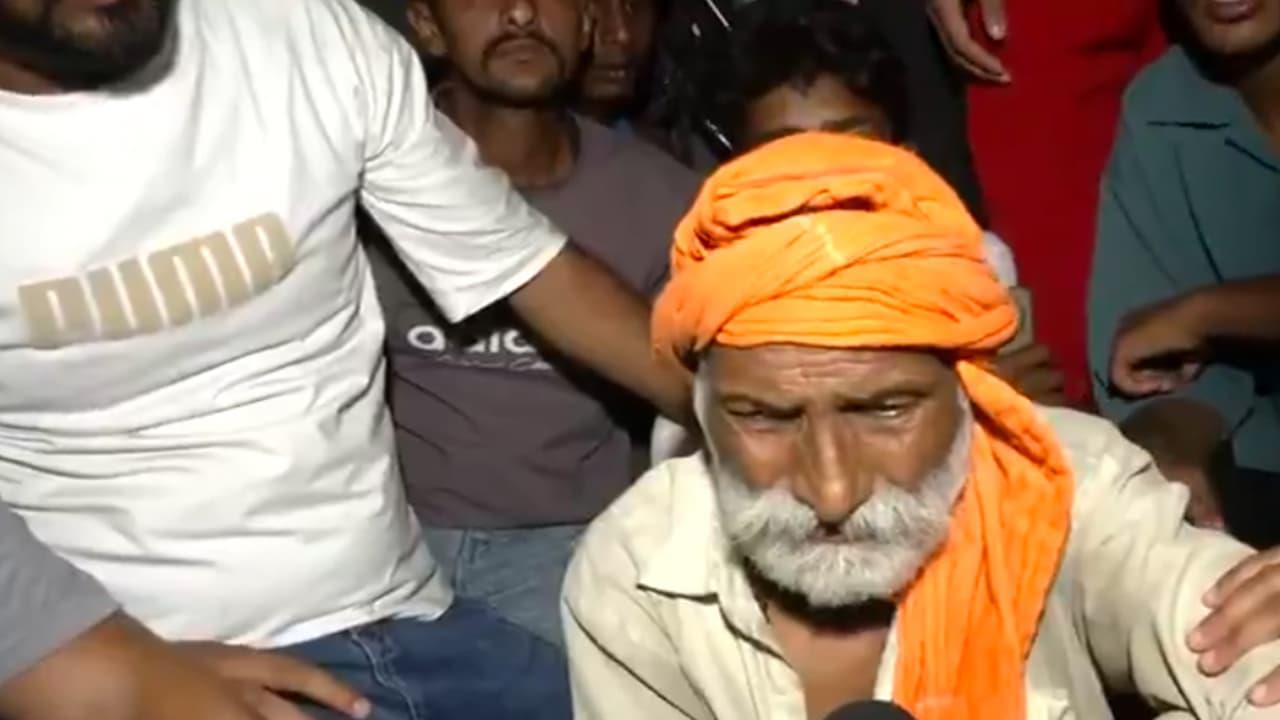
A dispute over irrigation water in Bairagiwala village, Dehradun, escalated into a violent clash, resulting in the death of a local BJP functionary, Vinod, and injuries to three family members. The incident triggered communal tensions, leading to arson and the demolition of alleged illegal structures belonging to the accused. Heavy police presence has been deployed to maintain order.
Key Highlights
- BJP worker killed over irrigation dispute in Dehradun village.
- Three family members of deceased also sustained critical injuries.
- Clash escalated, leading to communal tensions and violence.
- Houses of accused set ablaze, illegal structures demolished.
- Heavy police and PAC deployed to Bairagiwala village.
- Numerous individuals booked, manhunt launched for attackers.
A violent clash stemming from a long-standing irrigation water dispute in Bairagiwala village, located within the Sahaspur police station limits of Dehradun district, Uttarakhand, has tragically resulted in the death of a local Bharatiya Janata Party (BJP) functionary and left three of his family members critically injured. The incident, which occurred on Saturday evening, June 13, 2026, has ignited significant communal tensions in the region, leading to protests, arson, and a swift response from authorities, including the demolition of alleged illegal structures belonging to the accused individuals.
The deceased has been identified as 44-year-old Vinod, also known as Vinod Kumar or Vinod Kashyap, who was a prominent local BJP OBC Morcha leader and associated with the Bajrang Dal in the area. His brothers, Ashok and Rajesh, and his sister-in-law, Sushma, sustained severe injuries in the brutal assault and were rushed to a hospital for treatment. Initial reports indicate that the dispute originated when Vinod and his family were irrigating their fields using a tubewell, leading to an altercation with a neighboring farmer identified as Imtiaz.
The verbal spat quickly escalated into a full-blown violent confrontation. According to police and eyewitness accounts, a group comprising more than 40 individuals, with some reports suggesting it was a mob of Muslims, stormed Vinod's house. The attackers were allegedly armed with an array of weapons, including lathis (sticks), wooden planks, hammers, and shovels, which they used to assault the family. Vinod tragically succumbed to his injuries on the spot after being struck on the head with a hammer.
The incident immediately triggered widespread outrage and protests in Bairagiwala village and the surrounding areas. Agitated members of Hindu organizations, including Bajrang Dal workers, gathered in large numbers, demanding stringent action against the culprits. The protests escalated to stone-pelting, arson, and road blockades. In a significant development, one or more houses belonging to the accused individuals were set ablaze by the angry mob.
In response to the escalating tensions and demands for justice, authorities initiated what has been termed 'bulldozer action' against the accused. Several alleged illegal structures belonging to those implicated in the crime were razed in the presence of police and district administration officials, a move met with chants of 'Jai Shri Ram' from the gathered crowd. This swift and decisive action by the administration reflects a broader trend in some Indian states of using bulldozer demolitions as a punitive measure against alleged offenders, particularly in cases with communal undertones.
To prevent further escalation of violence and maintain law and order, a heavy contingent of police force, including personnel from multiple police stations and Provincial Armed Constabulary (PAC) units, was swiftly deployed to Bairagiwala village. Internet services in the affected region were also temporarily suspended to curb the spread of rumors and misinformation that could further inflame communal sentiments. Dehradun Additional Superintendent of Police (ASP) Pankaj Gairola and City SP Pramod Kumar confirmed that preliminary investigations pointed to the water dispute as the primary trigger, although some reports, including allegations from Vinod's father, Bhagwat, suggested a possible prior financial disagreement of ₹14,000 as a contributing factor.
A case has been registered under relevant sections, including murder and rioting. Police have identified and booked several individuals. Reports indicate varying numbers of accused, with some mentioning 12 named individuals and 30-35 unidentified people, while others cite 3 named and 25 unidentified. Among the names mentioned in connection with the FIR are Razzak, Imtiaz, Aman, Yunus, Shahbaz, Sharafat Ali, Masoom, Adil, Shamoon, Salman, Javed, and Intezar. A massive manhunt has been launched by separate police teams to apprehend all those involved in the violent attack.
Uttarakhand Chief Minister Pushkar Singh Dhami addressed the incident, assuring the public of the state administration's commitment to taking the 'strictest possible action' against anyone who commits a crime or takes the law into their own hands. He emphasized that no criminal would be spared and that the government is dedicated to ensuring the rule of law and accountability. The victim's father initially refused to move Vinod's body, demanding immediate and decisive action against the accused, highlighting the community's demand for justice and swift punitive measures. The overall situation in Bairagiwala village remains tense but is reportedly under control due to the heavy security deployment and ongoing police operations.
This incident underscores the complex interplay of resource scarcity, local disputes, and communal sensitivities that can rapidly escalate into severe law and order situations in various parts of India. The involvement of a political functionary further adds a layer of complexity to the incident, drawing wider attention and prompting a strong political and administrative response. The focus remains on maintaining peace, ensuring justice for the victim's family, and preventing any further communal flare-ups in the region. The event serves as a stark reminder of the potential for even minor disagreements to turn deadly when underlying tensions exist within communities.
Frequently Asked Questions
What was the primary cause of the clash in Dehradun's Bairagiwala village?
The primary cause of the violent clash was an irrigation water dispute between the deceased, Vinod, and his neighbor, Imtiaz, which escalated rapidly.
Who was the person killed in the Uttarakhand clash?
The person killed was Vinod (also identified as Vinod Kumar or Vinod Kashyap), a 44-year-old local BJP functionary and an OBC Morcha leader, also associated with the Bajrang Dal.
What actions did authorities take in response to the violence?
Authorities deployed heavy police forces, including PAC, suspended internet services, registered a murder and rioting case against multiple individuals, and razed alleged illegal structures belonging to the accused in a 'bulldozer action'.
Were there any communal aspects to the Dehradun incident?
Yes, the clash quickly triggered communal tensions in the area, leading to protests by Hindu organizations, stone-pelting, arson, and calls for strict action against the accused.