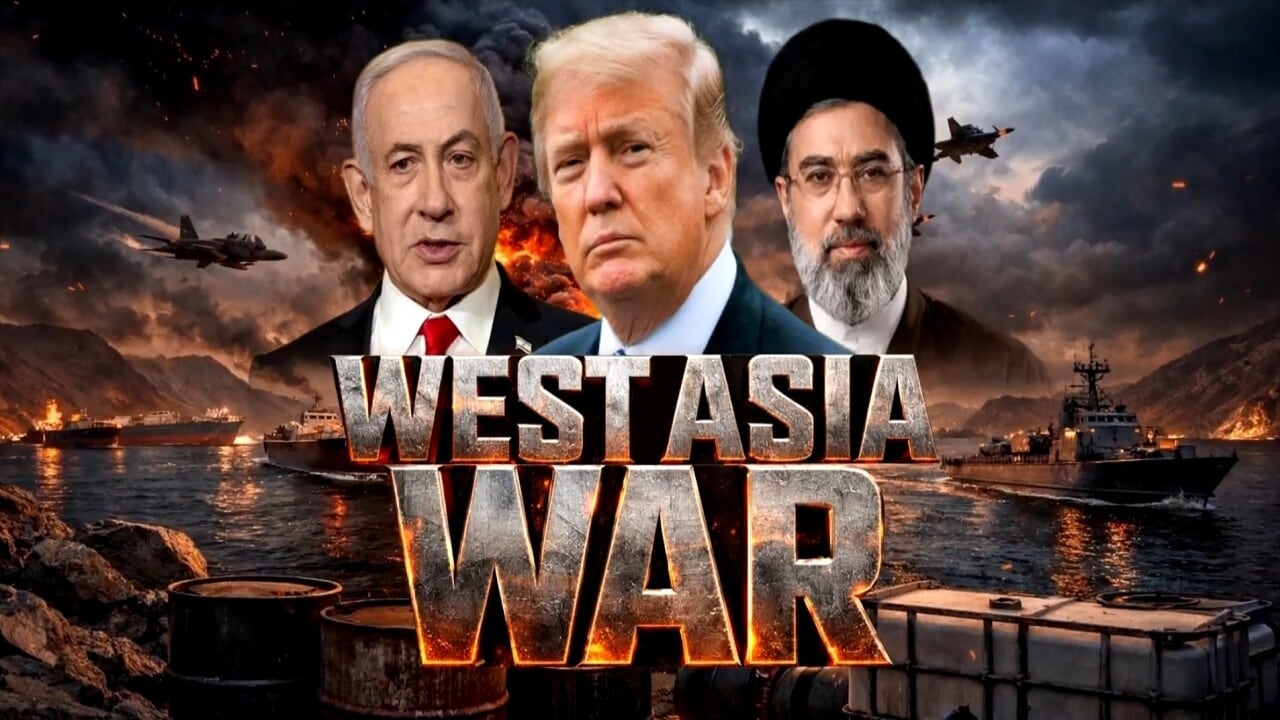
India advises citizens to exit Iran amid escalating regional tensions
India has issued a strong advisory for its citizens in Iran, urging them to "expeditiously exit" the country due to escalating regional tensions and the volatile security situation. The advisory recommends using designated routes and coordinating with the Indian Embassy for safe passage, while warning against approaching border crossings without prior consultation.
Key Highlights
- Indian citizens in Iran urged to leave 'expeditiously'.
- Advisory issued due to escalating regional tensions.
- Embassy recommends specific exit routes and coordination.
- Warning against uncoordinated border crossings.
- Safety of Indian nationals is top priority.
- Situation in Iran remains volatile and unpredictable.
The Indian government has issued a fresh advisory strongly urging its citizens residing in Iran to "expeditiously exit" the country, citing the escalating regional tensions and a rapidly deteriorating security situation. This advisory, disseminated by the Indian Embassy in Tehran, is a precautionary measure prioritizing the safety and well-being of Indian nationals amidst a volatile geopolitical climate in the Middle East.
The advisory specifically recommends that Indian citizens who are still in Iran should coordinate their departure with the Indian Embassy and utilize the routes suggested by the embassy for safe passage. A significant warning has also been issued against approaching any international land border without prior consultation and explicit coordination with the Embassy. Attempting to cross borders without official guidance may lead to serious logistical and immigration difficulties, and the Embassy has stated it will not be in a position to provide assistance once individuals have moved outside Iranian territory without prior arrangement.
The current advisory follows a series of earlier warnings and advisories issued by the Ministry of External Affairs and the Indian Embassy in Tehran, reflecting a growing concern for the safety of Indian nationals in Iran. Previous advisories in January and February 2026 had urged citizens to avoid non-essential travel, stay indoors, and exercise extreme caution due to protests, potential military escalation, and deteriorating security conditions. Reports indicate that around 9,000 Indians, including students, were estimated to be in Iran at one point, highlighting the importance of these advisories.
The geopolitical situation in the Middle East has been a significant concern for India, impacting its energy security, trade, and the safety of millions of Indian expatriates working in the Gulf region. The ongoing conflict, including US-Israel actions and Iranian responses, has led to disruptions in shipping routes, increased fuel costs, and broader economic instability that affects India. The Strait of Hormuz, a critical global shipping lane, is a particular point of concern, with any disruption there having significant implications for oil imports and trade.
India has historically maintained robust bilateral relations with Iran, characterized by deep civilizational and cultural ties, as well as significant trade, particularly in energy. However, in recent years, India's foreign policy has navigated complex geopolitical pressures, including US sanctions and closer ties with Israel and Gulf states, leading to a more nuanced approach in its engagement with Iran. Despite these complexities, the primary concern remains the safety and security of Indian citizens abroad.
The escalating unrest within Iran, marked by protests and potential military actions, necessitates a cautious and proactive approach from the Indian government to ensure the safety of its nationals. The advisory to 'expeditiously exit' underscores the seriousness of the current situation and the government's commitment to safeguarding its citizens.
Frequently Asked Questions
Why has India issued an advisory for its citizens to exit Iran?
India has issued an advisory for its citizens to exit Iran due to escalating regional tensions and a volatile security situation in the Middle East. The advisory prioritizes the safety of Indian nationals.
What specific instructions has the Indian Embassy in Iran given to its citizens?
The Indian Embassy in Tehran has advised citizens to "expeditiously exit" Iran, coordinate their departure with the embassy, and use designated routes. They are also warned against approaching border crossings without prior coordination.
Are there many Indian citizens living in Iran?
Reports suggest that a significant number of Indian nationals, including students, were present in Iran, with estimates around 9,000 at one point. This underscores the importance of the safety advisories.
How does the Middle East conflict affect India?
The Middle East conflict impacts India through its dependence on energy supplies, potential disruptions to trade and supply chains, and the safety of millions of Indian expatriates working in the region. It also affects fuel prices and the Indian Rupee.