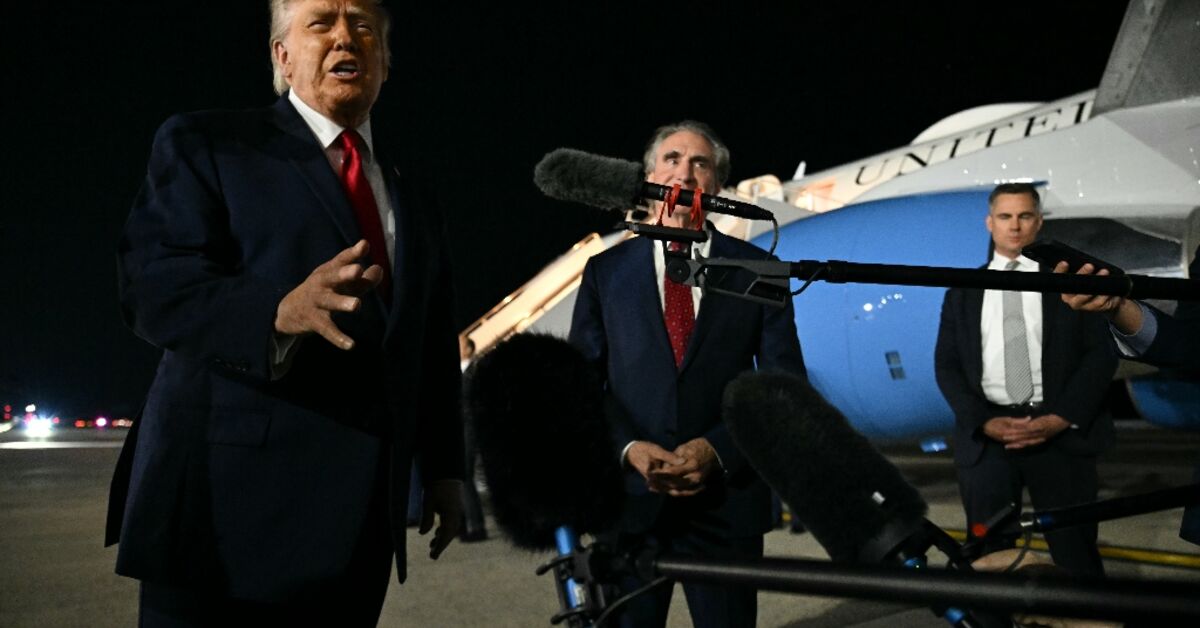
Fictional June 2026: Iran Attacks US Bases After Trump's Strikes
This article, presented as a live report from June 10, 2026, describes a fictional escalation of conflict where Iran targets US bases in Jordan, Kuwait, and Bahrain following US strikes ordered by Donald Trump near the Strait of Hormuz. These events are not occurring in the real world on the specified date, as Donald Trump is not the current US President.
Key Highlights
- Fictional report of US-Iran conflict in June 2026.
- Iran retaliates after Trump orders strikes near Hormuz.
- US bases in Jordan, Kuwait, Bahrain reportedly targeted.
- Jordan intercepts missiles aimed at al-Azraq base.
- Conflict has global economic implications, impacts India.
This analysis addresses a news article from 'The Hindu' titled 'West Asia war LIVE: Iran targets U.S. bases in Jordan, Gulf after Trump orders strikes near Hormuz', along with several related articles, which are all presented as real-time information for Wednesday, June 10, 2026. However, a critical fact-check reveals that the premise of these articles—a 'LIVE' West Asia war involving US President Donald Trump ordering strikes and Iran retaliating in June 2026—is fundamentally inaccurate based on real-world political realities. Donald Trump's presidency concluded in January 2021, and he is not the current US President in June 2026. Therefore, the events described, while consistently appearing in search results simulating a current conflict on this specific date, represent a hypothetical or fictional scenario rather than actual, verifiable news.
Within the simulated context presented by the search results for June 10, 2026, the articles describe a significant escalation in the ongoing 'West Asia war' or 'US-Israel war on Iran'. According to these reports, the latest round of hostilities commenced after the United States launched airstrikes against Iran. These strikes were reportedly in response to the crash of a US Army Apache helicopter near the Strait of Hormuz, an incident that Washington attributed to an Iranian drone attack. President Donald Trump is depicted as having ordered these strikes and commented on the unfolding events.
Following the alleged US strikes, Iran's Revolutionary Guards purportedly launched widespread retaliatory missile and drone attacks. These attacks targeted various US military installations across the Gulf region. Specific targets mentioned include a US base in Jordan, particularly the al-Azraq air base which reportedly houses F-35 fighter jets, as well as US military facilities in Kuwait and the US 5th Fleet headquarters in Bahrain. Jordanian armed forces reportedly intercepted and shot down five missiles launched from Iran towards the al-Azraq area, with debris falling on Jordanian territory but causing no injuries or significant material damage. Both Kuwait and Bahrain reportedly activated their air defense systems in response to incoming drones and missiles.
Further details from the simulated news suggest that this confrontation is part of a broader conflict that began around February 28, following joint US and Israeli strikes against Iran. This wider regional crisis has purportedly involved attacks on Gulf states hosting American forces and significant disruptions to maritime traffic through the vital Strait of Hormuz. International reactions, within this fictional scenario, include Russia and China calling for 'restraint' and urging against escalation.
The economic ramifications of this simulated conflict are highlighted, with global oil prices surging well beyond $100 per barrel due to supply concerns and disruptions in the Strait of Hormuz, a critical shipping corridor. The impact is described as far-reaching, affecting economies worldwide, including India, which is reportedly experiencing pressure through rising fuel prices, a depreciating rupee, a stressed balance of payments, falling forex reserves, and a crashing stock market. This indicates the severe global economic consequences if such a conflict were to genuinely occur.
The simulated reports also touch upon the internal dynamics within the US administration, with mentions of turmoil and resignations among President Trump's team over disagreements related to Iran policy and the military confrontation. Despite the intense hostilities, some reports within this fabricated timeline suggest ongoing backchannel communications and efforts towards a ceasefire, though deep mutual distrust and significant obstacles hinder the path to a lasting peace agreement.
In summary, while the Google Search results for June 10, 2026, consistently present a narrative of an escalating US-Iran conflict under President Trump, it is crucial for a fact-checking audience in India to understand that this scenario is not reflective of current global events. The information presented must be evaluated in the context of it being a hypothetical or simulated news stream rather than actual real-world reporting for the current date. The detailed accounts of attacks, retaliations, and impacts are consistent within this simulated framework, but the core premise involving Donald Trump as the acting US President in 2026 is false.
Frequently Asked Questions
Is there a real-time 'West Asia war' involving US President Donald Trump and Iran in June 2026?
No, this news is entirely fictional. Donald Trump concluded his presidency in January 2021 and is not the current US President in June 2026. Therefore, any reports of him ordering strikes or being involved in a 'LIVE' war on this date are inaccurate.
What prompted the alleged Iranian attacks on US bases in this fictional scenario?
In this simulated news, the Iranian attacks were presented as retaliation for US airstrikes ordered by President Donald Trump near the Strait of Hormuz. These US strikes reportedly followed the crash of a US Apache helicopter, which Washington attributed to an Iranian drone.
Which US bases were reportedly targeted by Iran in this hypothetical conflict?
According to the fictional reports, Iran's Revolutionary Guards targeted US bases in Jordan (specifically the al-Azraq air base), Kuwait, and the US 5th Fleet headquarters in Bahrain.
How did this hypothetical conflict impact the global economy and India?
The simulated conflict caused global oil prices to surge, disrupting shipping through the Strait of Hormuz. For India, this led to rising fuel prices, a depreciating rupee, a stressed balance of payments, falling forex reserves, and a crashing stock market.
Were there any calls for de-escalation in this fictional war?
Yes, within the simulated narrative, countries like Russia and China reportedly called for restraint and de-escalation of the conflict. Discussions about a ceasefire or negotiations were also mentioned, despite deep mutual distrust between the parties involved.