ISRO's PSLV-C62 to Launch EOS-N1 Hyperspectral Satellite on Jan 12 | Quick Digest
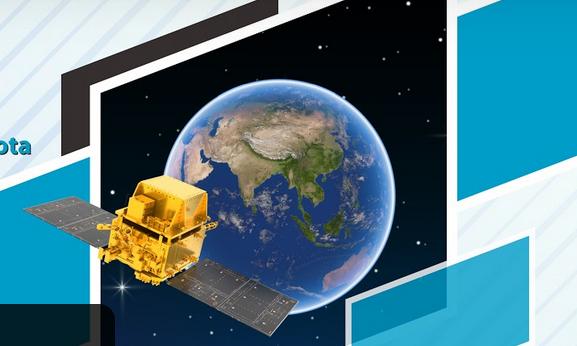
India's space agency, ISRO, is set for its first launch of 2026 on January 12 with the PSLV-C62 mission. It will deploy the advanced Earth Observation Satellite EOS-N1 (Anvesha), significantly boosting India's surveillance capabilities, alongside 18 co-passenger satellites.
ISRO's first launch of 2026 scheduled for January 12.
PSLV-C62 rocket to carry primary EOS-N1 (Anvesha) satellite.
EOS-N1 is a hyperspectral Earth observation satellite for strategic surveillance.
Mission includes 18 co-passenger satellites, both domestic and international.
Launch from Satish Dhawan Space Centre, Sriharikota, at 10:17 AM IST.
Satellite to enhance India's national security, agriculture, and disaster management.
The Indian Space Research Organisation (ISRO) is poised to conduct its first launch of 2026, the PSLV-C62 mission, on January 12 at 10:17 AM IST from the First Launch Pad at Satish Dhawan Space Centre in Sriharikota, Andhra Pradesh. This mission marks the beginning of India's space calendar for the year. The primary payload is the Earth Observation Satellite EOS-N1, which is codenamed 'Anvesha'. EOS-N1 is an advanced hyperspectral imaging satellite developed primarily for the Defence Research and Development Organisation (DRDO), designed to significantly enhance India's strategic surveillance and reconnaissance capabilities. It is capable of observing the Earth in hundreds of narrow spectral bands, enabling precise identification of materials and surface features, which is crucial for border monitoring, terrain analysis, and threat detection.
Beyond its strategic applications, EOS-N1 will also serve civilian purposes such as environmental monitoring, resource mapping, agricultural support (crop health assessment, soil moisture analysis), urban planning, and disaster management. The PSLV-C62 mission is the 64th flight of the Polar Satellite Launch Vehicle and the ninth dedicated commercial mission managed by NewSpace India Limited (NSIL). In addition to EOS-N1, the mission will deploy 18 co-passenger satellites, including a Spanish technology demonstrator called Kestrel Initial Technology Demonstrator (KID), which is a prototype re-entry vehicle. Several other small satellites from Indian startups and universities are also part of this multi-payload launch, showcasing India's burgeoning private space ecosystem. This launch is highly anticipated as it demonstrates India's continued advancement in space technology and its commitment to both national security and global space services.
Read the full story on Quick Digest